
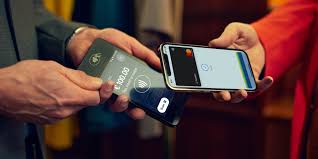
Why Payment Handles Are Replacing Bank Details
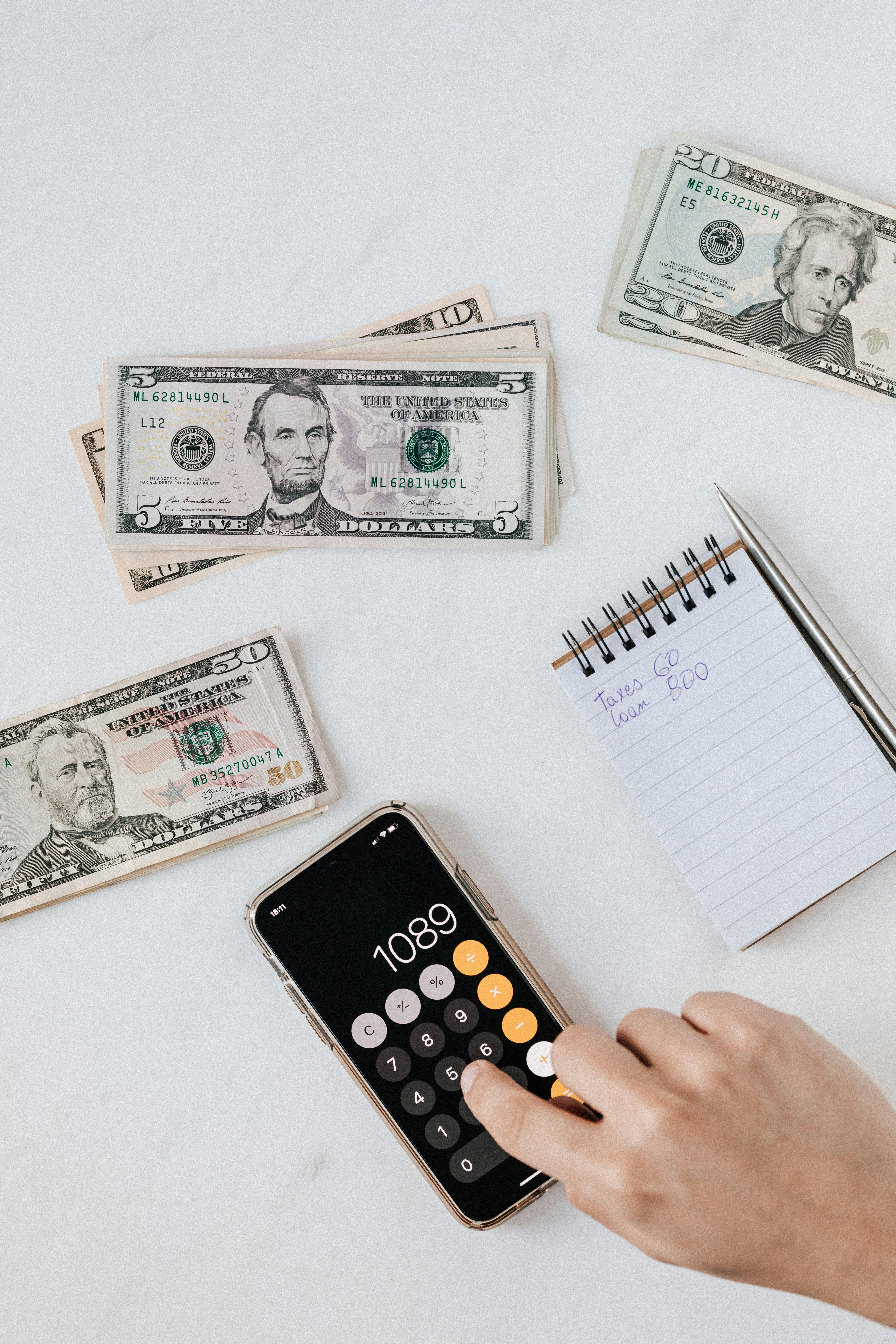
The internet runs on identities but payments still rely on account numbers
Think about how people navigate the internet.
They use:
- usernames
- email addresses
- social handles
- profiles
These identities are easy to remember and easy to share.
Payments often work differently.
Many payment systems still depend on:
- account numbers
- sort codes
- routing numbers
- IBANs
- wallet addresses
Payment handles are emerging because identities are often easier for people to understand than financial instructions.
What is a payment handle?
A payment handle is a portable payment identity.
Instead of sharing complex payment information, users share a recognizable identity.
Examples might include:
- @johnsmith
- @janedesign
- @yourstore
- @yourbusiness
The concept is simple.
People naturally remember identities better than account numbers.
“Payment handles transform payment destinations into something people can recognise instantly.”
Why bank details create friction
Traditional payment instructions were designed around financial systems.
They were not necessarily designed around user experience.
People often need to exchange:
- multiple numbers
- multiple codes
- bank references
- country-specific information
This can create confusion and slow down payment experiences.
Payment handles reduce that complexity.
People rarely remember account numbers. They often remember identities immediately.
Why businesses benefit from payment handles
Businesses spend years building trust and recognition.
Customers remember:
- brand names
- business names
- websites
- social profiles
They do not remember:
- bank account numbers
- routing codes
- IBANs




Join the conversation.
0 comments · Be respectful, be specific, be useful.
Be the first to comment.