

What Is A Global Payment Identity?

The internet gave everyone a digital identity but payments never fully caught up
Almost everyone online has a digital identity.
It might be:
- a username
- an email address
- a social handle
- a creator profile
- a business account
These identities are easy to remember and easy to share.
Payments, however, often still depend on account numbers, routing codes and banking instructions.
A global payment identity aims to bridge that gap.
What is a global payment identity?
A global payment identity is a portable identity used to send and receive payments.
Instead of relying on traditional financial information, a person uses a recognizable identity.
For example:
- @johnsmith
- @janedesign
- @yourbusiness
- @creatorname
The idea is simple.
People remember identities more easily than financial instructions.
“Payment identity turns complicated payment information into something people can actually remember.”
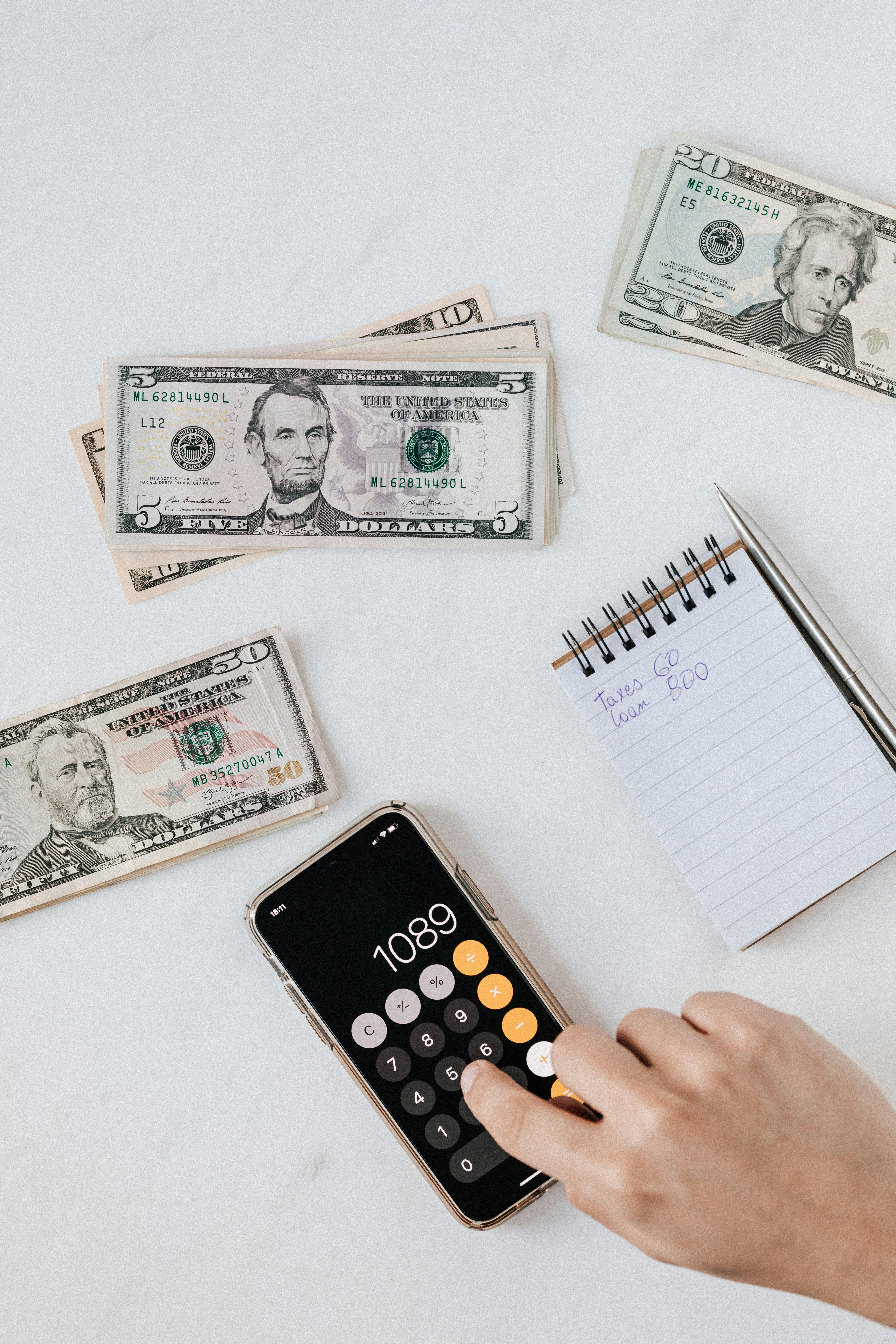
Why traditional payment information creates friction
Traditional payments often require users to exchange:
- account numbers
- IBANs
- routing numbers
- SWIFT information
- wallet addresses
These systems work, but they were designed around infrastructure.
Most people do not naturally remember long strings of financial information.
That creates friction when sending or receiving payments.
People think in identities. Traditional payments think in account numbers.
Why payment identity matters for global payments
Global commerce increasingly involves:
- remote workers
- freelancers
- creators
- online businesses
- cross-border customers
As international participation grows, simple payment experiences become increasingly valuable.
A portable payment identity helps users communicate payment destinations more easily.



Join the conversation.
0 comments · Be respectful, be specific, be useful.
Be the first to comment.