

Why The World Is Moving Toward Wallet Payments
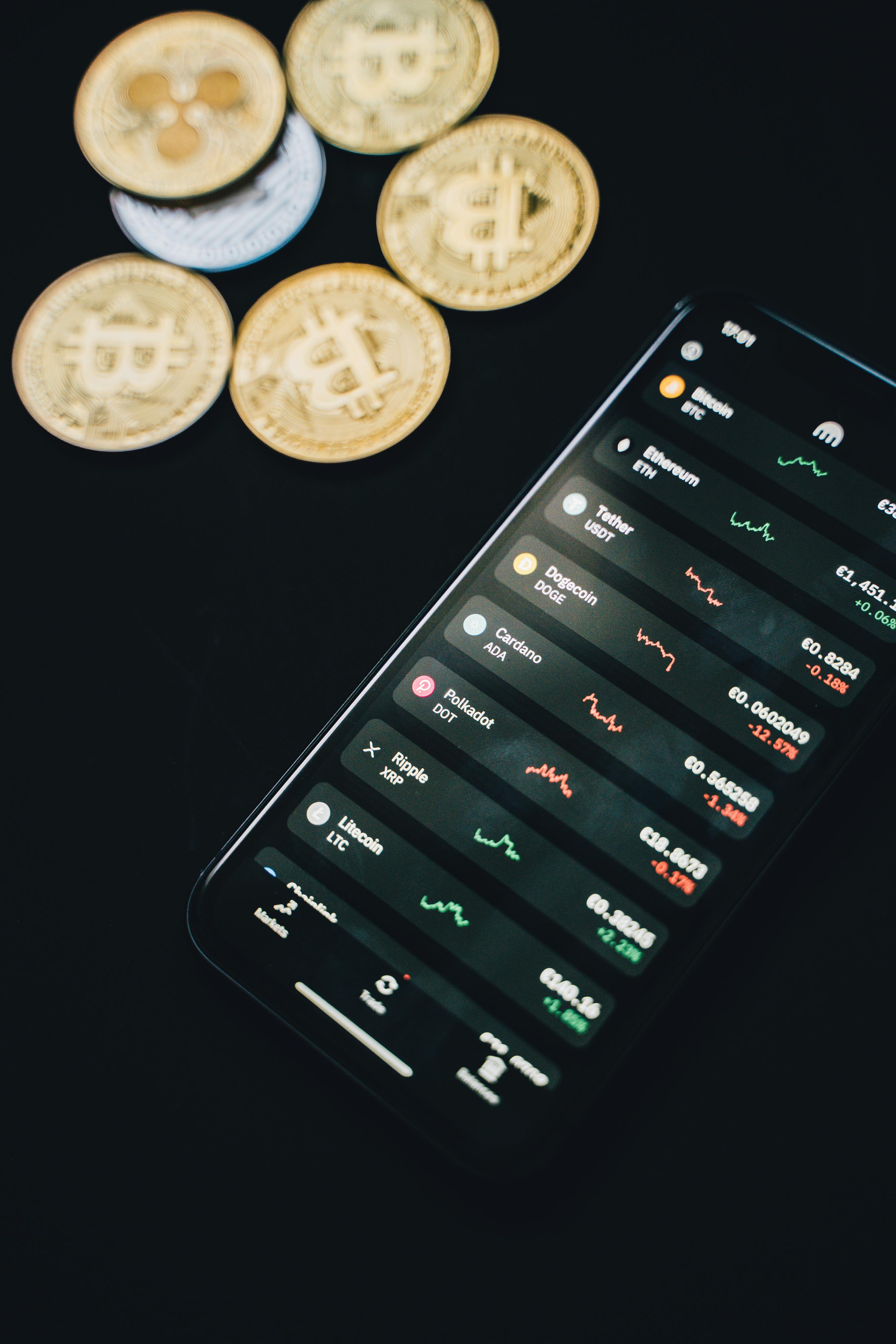
Why modern participation increasingly revolves around wallets
A creator in London can monetize audiences globally through mobile participation. A freelancer in Lagos can operate remotely with international clients through digital platforms. A merchant in São Paulo can run commerce entirely through mobile-first interaction.
Modern participation increasingly happens through wallets and smartphones.
Many payment systems still often depend heavily on fragmented banking coordination and regional infrastructure.
Modern users increasingly participate through:
digital wallets
mobile-first interaction
social commerce
cross-border participation
online communities
internet-native interaction
Yet many payment systems still often depend heavily on:
bank account numbers
routing numbers
IBAN systems
manual banking coordination
country-specific payout rails
fragmented financial infrastructure
That creates friction involving:
cross-border payout limitations
manual transfer coordination
payment delays
regional restrictions
currency conversion layers
dependency on traditional banking systems
Spondula is being built around a different direction: a wallet-first global payments network where businesses, creators and freelancers can send, receive, hold, accept and participate through wallets, payment links, QR payments and S-Handles rather than depending entirely on fragmented banking infrastructure.
The world increasingly operates through mobile participation and wallet infrastructure. Payments increasingly need to follow the same direction.
Why traditional payment systems create friction globally
Traditional payment systems evolved around banking coordination.
That structure often still depends heavily on:
bank account infrastructure
manual settlement coordination
routing instructions
regional banking rails
country-specific payout infrastructure
fragmented financial infrastructure
However, modern commerce increasingly revolves around:
portable identity
mobile-first interaction
digital wallets
internet-native participation
cross-border accessibility
That creates a disconnect between:
modern digital participation
traditional payment coordination

Why payment identity matters for wallet participation
Modern users already recognize businesses and people through:
social handles
creator usernames
digital storefronts
online communities
internet-native participation
Yet many payment systems still often require:
manual bank transfers
routing instructions
banking coordination
processor-specific identities
That creates friction between:
internet-native identity
traditional payment infrastructure
Spondula positions the S-Handle as a portable payment identity linked to wallet infrastructure.
Instead of relying entirely on:
bank account infrastructure
manual banking coordination
fragmented payout systems
users simply participate through wallets, payment links, QR payments and S-Handles.
“The internet already removed friction from communication, participation and commerce. Payments increasingly need to follow the same direction.”
How wallet payments change modern commerce
Wallet-first infrastructure changes how users interact with commerce.
Instead of treating payments as isolated banking instructions, wallet-first participation creates:






Join the conversation.
0 comments · Be respectful, be specific, be useful.
Be the first to comment.