

Why Payment Links Are Replacing Checkout Forms

Checkout forms increasingly belong to an older internet
Traditional ecommerce was largely built around checkout forms.
The process became familiar:
enter card details
fill billing forms
complete checkout pages
wait for payment confirmation
That flow made sense during the early ecommerce era.
But the internet changed dramatically.
Modern online participation increasingly revolves around:
smartphones
social commerce
creator businesses
payment links
wallet participation
The modern internet increasingly expects payments to feel as fast and portable as communication itself.
The creator economy changed online commerce
Millions of internet-native businesses increasingly operate through:
TikTok
YouTube
Instagram
X
Discord communities
subscription platforms
These businesses increasingly sell through:
messages
videos
bios
communities
social interaction
That behavior changes how payments naturally evolve.
Instead of sending customers toward complex checkout flows, businesses increasingly prefer:
direct payment links
QR participation
wallet-first interaction
mobile-native commerce
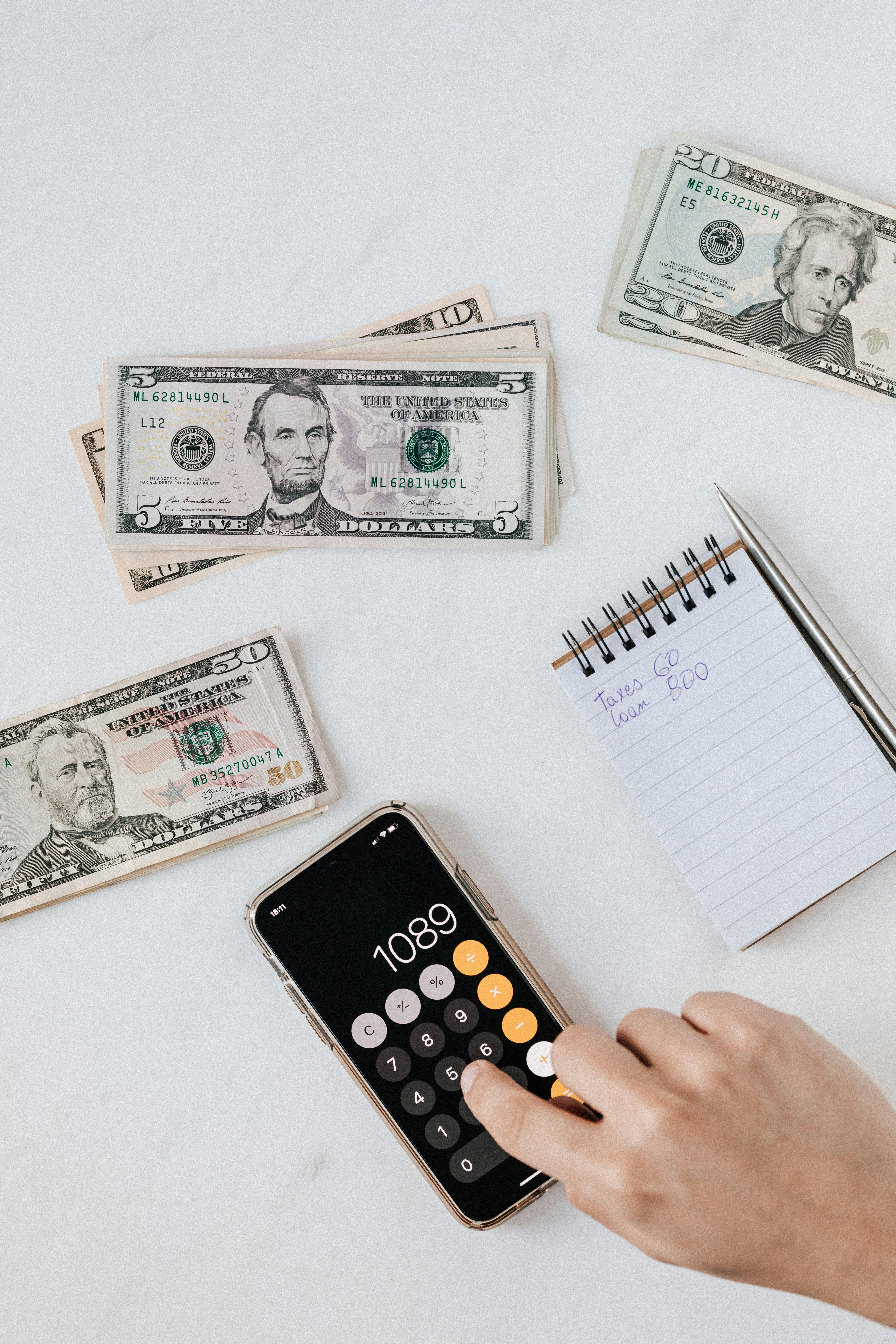
Payment links simplify participation
One of the biggest advantages of payment links is simplicity.
They reduce friction between:
discovery
interaction
payment participation
Consumers increasingly expect commerce to feel:
instant
mobile-first
continuous
simple
Payment links increasingly align with how people already behave online.
A creator can:
drop a payment link in a bio
share a payment link in messages
attach a payment link to content
accept payments directly through community interaction
That feels more natural to internet-native participation than older checkout infrastructure.
“The internet increasingly prefers direct participation over multi-step checkout friction.”
Mobile-first behavior accelerated the shift
The smartphone changed online commerce dramatically.
Consumers increasingly browse, communicate and purchase through mobile-first interaction.
That shifts expectations around payment usability.
People increasingly expect:
fewer steps
simpler interaction
faster participation
wallet-native usability
Traditional checkout forms often feel:
slow
manual
desktop-era
administrative
Payment links increasingly feel more aligned with:
mobile-first participation
social commerce
creator-led businesses
internet-native interaction

Wallet-native commerce changes the flow completely
A broader transition is increasingly happening online.
Instead of relying entirely on traditional card-processing infrastructure, wallet-native commerce revolves around:



Join the conversation.
0 comments · Be respectful, be specific, be useful.
Be the first to comment.