
Guides

Why Lebanon Pushed People Toward Alternative Currency Holding

Spondula Team·5 min read·12 May 2026· Be the first to comment ↓

Why Lebanon Pushed People Toward Alternative Currency Holding

Mobile-first payments and economic participation in Lebanon

People increasingly wanted flexibility not just banking access

Lebanon became one of the clearest modern examples of how quickly payment behavior changes when economic confidence weakens.

People increasingly stopped thinking only about banking access.

They increasingly started thinking about:

  • currency flexibility

  • payment mobility

  • accessibility

  • cross-border usability

  • alternative participation

That shift matters enormously.

Lebanon demonstrated that modern payment behavior is increasingly shaped by flexibility, portability and access rather than traditional banking assumptions alone.

Economic uncertainty changed consumer behavior

Periods of economic instability dramatically reshape participation behavior.

Consumers increasingly become focused on:

  • accessibility

  • payment reliability

  • cross-border usability

  • currency flexibility

  • financial mobility

In Lebanon, many people increasingly relied on:

  • mobile participation

  • cross-border support networks

  • international transfers

  • alternative payment methods

  • digital participation

Once consumers experience payment friction or access uncertainty, behavior changes quickly.

The ability to move and hold value flexibly increasingly becomes extremely important.
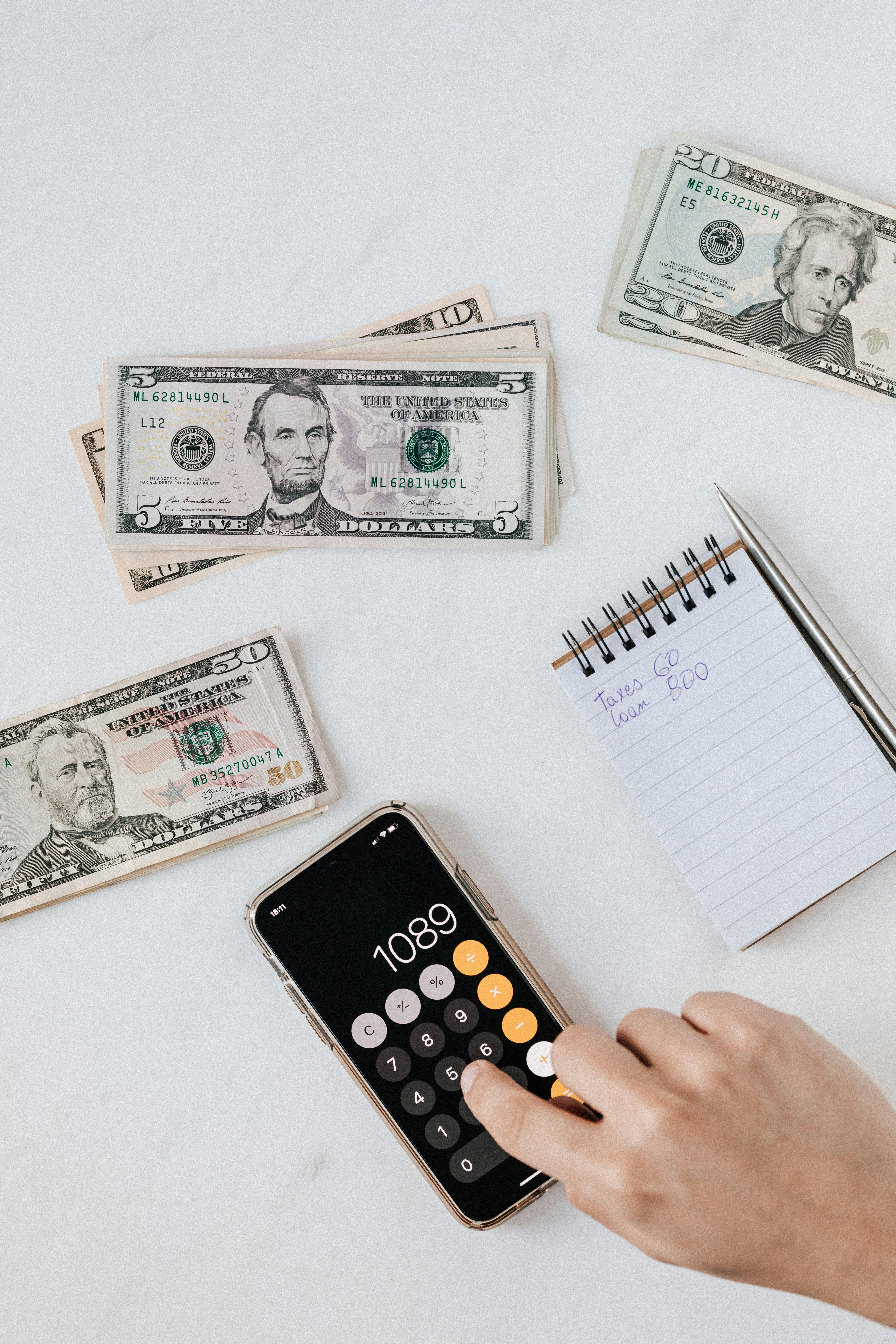
Smartphone-first participation and digital payments in Lebanon

Smartphones increasingly became the participation layer

Like many parts of the world, Lebanon increasingly evolved during the smartphone era.

Consumers increasingly operated through:

  • mobile apps

  • digital communication

  • wallet-first interaction

  • cross-border participation

  • smartphone-first commerce

The smartphone increasingly became:

  • the communication layer

  • the payment layer

  • the commerce layer

  • the participation layer

That matters because smartphones reduce dependency on localized physical infrastructure.

Participation increasingly becomes more portable.

“Lebanon demonstrated that people increasingly value portability and flexibility when payment confidence weakens.”

Cross-border participation became more important

Lebanon also highlighted the growing importance of cross-border participation.

People increasingly relied on:

  • international support networks

  • cross-border transfers

  • remote work participation

  • digital commerce

  • mobile-first interaction

The internet economy already operates globally.

But payment systems often still remain fragmented across:

  • countries

  • currencies

  • banking systems

  • regional rails

That fragmentation becomes more visible during periods of economic stress.

Cross-border participation and mobile wallet interaction

The future increasingly revolves around optionality

One of the biggest lessons from Lebanon is that consumers increasingly value optionality.

People increasingly want:

  • cross-border accessibility

  • currency flexibility

  • wallet-first usability

  • mobile-first interaction

  • portable participation

The strongest modern payment systems increasingly revolve around:

  • smartphone participation

  • wallet infrastructure

  • identity-based interaction

  • real-time participation

  • cross-border usability

Consumers increasingly expect payment systems to feel:
  • flexible

  • portable

  • accessible

  • mobile-first

rather than rigidly localized.

Why traditional banking assumptions are changing globally

Traditional banking infrastructure was largely built around:

  • domestic participation

  • localized systems

  • physical infrastructure

  • regional banking rails

But modern participation increasingly operates through:

  • smartphones

  • creator economies

  • remote work

  • cross-border commerce

  • global communities

People can already:

  • communicate globally instantly

  • work remotely globally instantly

  • build audiences globally instantly

  • sell products globally instantly

Payments increasingly need to evolve around the same reality.

Lebanon highlighted a larger global shift: people increasingly want payment systems built around mobility and flexibility rather than purely localized banking infrastructure.

The world increasingly moved toward wallet-first participation

Other major payment ecosystems increasingly demonstrated similar patterns.

China normalized smartphone participation through:

  • Alipay

  • WeChat Pay

India scaled instant participation through:

  • UPI

  • PhonePe

  • Paytm

Brazil transformed participation through Pix.

Kenya expanded mobile-money participation through M-Pesa.

Southeast Asia increasingly evolved around:

  • GCash

  • GoPay

  • PromptPay

  • PayNow

The strongest modern payment ecosystems increasingly share similar characteristics:

  • wallet-first interaction

  • mobile-first participation

  • identity-based usability

  • cross-border participation

  • real-time interaction

Global wallet-first participation and mobile payments

Global payments are still fragmented

The world already proved smartphone-first participation works domestically.

China demonstrated it through:

  • Alipay

  • WeChat Pay

India demonstrated it through UPI.

Brazil demonstrated it through Pix.

Kenya demonstrated it through M-Pesa.

But one major problem still remains globally.

Most payment ecosystems still remain fragmented across:

  • countries

  • currencies

  • regional rails

  • wallet ecosystems

  • banking infrastructures

A user moving internationally may still require:

  • multiple wallets

  • multiple payment apps

  • different banking systems

  • country-specific rails

The internet itself no longer works this way.

Payments often still do.

Why Spondula positions itself around global participation

Spondula is being built around wallet-first global participation.

Instead of relying entirely on:

  • country-specific wallets

  • regional banking systems

  • fragmented payment rails

  • manual banking coordination

users participate through:

  • S-Handles

  • wallet infrastructure

  • payment links

  • mobile-first interaction

  • cross-border usability

The network’s payment layers include:

  • USD-S

  • EUR-S

  • GBP-S

  • GOLD-S

  • BTC-S rewards

The Spondula one-pager describes the network as payment infrastructure where users can send, receive and hold pegged payment balances with wallet access, Operator-supported local infrastructure and compliant KYC/AML architecture. :contentReference[oaicite:0]{index=0}

The goal is not replacing domestic payment systems.

The goal is enabling portable global participation through wallet-first infrastructure.

Lebanon highlighted what happens when people increasingly prioritize flexibility, portability and access. The next challenge is building payment systems designed around that reality globally.

Your handle is your identity online. Secure the payment handle that matches it before launch.

Creators, freelancers, businesses and globally connected users are already reserving their S-Handles ahead of the Spondula launch.

Join the waitlist and reserve your S-Handle today.

Frequently asked questions

Why did payment behavior change in Lebanon?

Economic uncertainty increased demand for flexibility, cross-border usability and alternative participation methods.

Why are smartphones important for payment participation?

Smartphones increasingly became the communication, commerce and payment layer of modern participation.

Why does cross-border participation matter?

The internet economy already operates globally through creators, ecommerce and remote work, increasing demand for more portable payment infrastructure.

Why are wallet-first systems growing globally?

Wallet-first participation simplifies interaction through mobile-first usability, identity-based participation and smartphone accessibility.

What is an S-Handle?

An S-Handle is a portable payment identity linked to a Spondula wallet designed for wallet-first global payment participation.


Spondula is a global payments network. It is not a bank, exchange, investment platform, or broker. Availability, pricing, and Operator coverage vary by country. Bitcoin rewards depend on real network activity and are not guaranteed. See our terms and conditions for full details.

More in Guides

Join the conversation.

0 comments · Be respectful, be specific, be useful.

Be the first to comment.