Guides

Why QR Payments Dominate Southeast Asia

Spondula Team·5 min read·12 May 2026· Be the first to comment ↓

Why QR Payments Dominate Southeast Asia

QR payments and mobile wallet participation in Southeast Asia

Southeast Asia built commerce around smartphones

Walk through Bangkok, Jakarta, Manila, Ho Chi Minh City or Kuala Lumpur today and something becomes obvious very quickly.

QR payments are everywhere.

Street vendors display wallet QR codes.

Restaurants increasingly operate through mobile participation.

Small merchants increasingly expect smartphone interaction.

Consumers increasingly move through daily life using:

  • mobile wallets

  • QR participation

  • instant transfers

  • smartphone-first interaction

Southeast Asia did not simply adopt QR payments. It built large parts of everyday commerce around smartphone participation itself.

The region became mobile-first extremely quickly

Southeast Asia’s internet growth accelerated during the smartphone era.

For millions of consumers, the smartphone became the primary internet device.

That shaped payment behavior dramatically.

Participation increasingly evolved around:

  • mobile apps

  • wallet ecosystems

  • QR interaction

  • instant participation

  • smartphone usability

The smartphone increasingly became:

  • the wallet

  • the storefront

  • the payment terminal

  • the participation layer

  • the commerce layer

Unlike older economies heavily shaped by desktop banking and card infrastructure, Southeast Asia increasingly evolved through smartphone-first participation from the beginning.
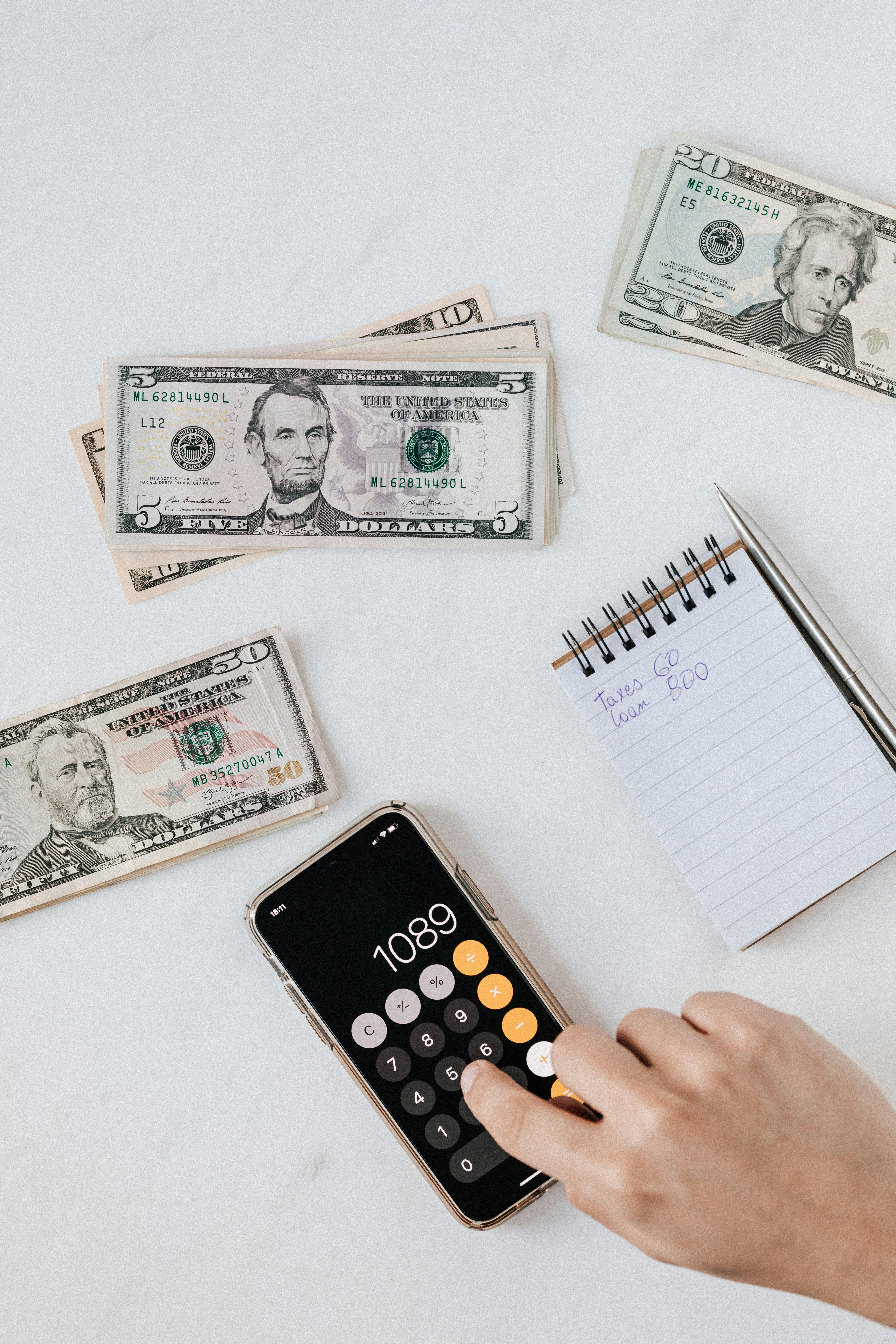
Smartphone-first commerce and QR payments in Southeast Asia

Wallet ecosystems expanded rapidly across the region

Different countries across Southeast Asia increasingly developed strong mobile wallet ecosystems.

The Philippines increasingly evolved through:

  • GCash

  • Maya

Indonesia increasingly expanded participation through:

  • GoPay

  • OVO

  • DANA

Thailand increasingly normalized:

  • PromptPay

  • TrueMoney

Vietnam increasingly evolved through:

  • MoMo

  • ZaloPay

Malaysia increasingly expanded participation through:

  • DuitNow

  • Touch 'n Go eWallet

  • Boost

Singapore increasingly normalized:

  • PayNow

  • GrabPay

Across the region, smartphone participation increasingly became ordinary.

“Southeast Asia optimized payments around smartphones while much of the West still optimized around cards.”

QR payments spread because they solved merchant problems

One of the biggest reasons QR participation spread rapidly across Southeast Asia was merchant simplicity.

Small businesses increasingly only needed:

  • a smartphone

  • a QR code

  • a payment-enabled wallet app

to participate digitally.

That dramatically lowered participation barriers for:

  • street vendors

  • market stalls

  • small restaurants

  • independent sellers

  • microbusinesses

QR systems increasingly became integrated into:

  • everyday commerce

  • peer-to-peer participation

  • social commerce

  • creator-led businesses

  • small merchant ecosystems

Once smartphone participation became easier than older payment behavior, adoption accelerated rapidly.
QR participation and wallet-first commerce in Southeast Asia

The region increasingly became wallet-first

Southeast Asia increasingly evolved into one of the world’s strongest wallet-first regions.

Consumers increasingly expect:

  • instant participation

  • wallet simplicity

  • mobile-first usability

  • QR interaction

  • smartphone participation

That behavioral shift matters enormously.

Once consumers become accustomed to instant wallet participation, older systems increasingly feel slow and fragmented.

The strongest modern payment ecosystems increasingly revolve around:

  • wallet-first interaction

  • identity-based participation

  • real-time commerce

  • smartphone usability

  • portable participation

Southeast Asia changed global payment expectations

The region became one of the world’s most important modern payment case studies.

It demonstrated several realities:

  • QR participation scales rapidly

  • smartphone-first systems spread quickly

  • wallet ecosystems reshape behavior

  • mobile-first participation changes merchant expectations

  • consumers increasingly prefer instant interaction

Southeast Asia also demonstrated something larger.

The future of payments increasingly revolves around:

  • wallet-first infrastructure

  • mobile-first participation

  • identity-based interaction

  • QR usability

  • smartphone participation

Southeast Asia showed that QR participation can become ordinary daily infrastructure once smartphone interaction becomes easier than traditional payment behavior.

The world increasingly moved in the same direction

Other major payment ecosystems increasingly followed similar patterns.

China normalized smartphone participation through:

  • Alipay

  • WeChat Pay

India scaled instant participation through:

  • UPI

  • PhonePe

  • Paytm

Brazil transformed participation through Pix.

Kenya expanded mobile-money participation through M-Pesa.

The strongest payment ecosystems increasingly share similar characteristics:

  • wallet-first participation

  • QR interaction

  • mobile-first usability

  • identity-based participation

  • instant participation

Global mobile wallet participation and instant payments

Global payments are still fragmented

The world already proved smartphone-first participation works domestically.

China demonstrated it through:

  • Alipay

  • WeChat Pay

India demonstrated it through UPI.

Brazil demonstrated it through Pix.

Southeast Asia demonstrated it through regional wallet ecosystems.

But one major problem still remains globally.

Most payment ecosystems still remain fragmented across:

  • countries

  • currencies

  • regional rails

  • wallet ecosystems

  • banking infrastructures

A user moving internationally may still require:

  • multiple wallets

  • multiple payment apps

  • different banking systems

  • country-specific rails

The internet itself no longer works this way.

Payments often still do.

Why Spondula positions itself around global participation

Spondula is being built around wallet-first global participation.

Instead of relying entirely on:

  • country-specific wallets

  • regional banking systems

  • fragmented payment rails

  • manual banking coordination

users participate through:

  • S-Handles

  • wallet infrastructure

  • payment links

  • mobile-first interaction

  • cross-border usability

The network’s payment layers include:

  • USD-S

  • EUR-S

  • GBP-S

  • GOLD-S

  • BTC-S rewards

The Spondula one-pager describes the network as payment infrastructure where users can send, receive and hold pegged payment balances with wallet access, Operator-supported local infrastructure and compliant KYC/AML architecture. :contentReference[oaicite:0]{index=0}

The goal is not replacing domestic payment ecosystems across Southeast Asia.

The goal is enabling portable global participation through wallet-first infrastructure.

Southeast Asia showed what happens when smartphone participation becomes deeply integrated into everyday commerce. The next challenge is making global participation work the same way.

Your handle is your identity online. Secure the payment handle that matches it before launch.

Creators, freelancers, businesses and globally connected users are already reserving their S-Handles ahead of the Spondula launch.

Join the waitlist and reserve your S-Handle today.

Frequently asked questions

Why are QR payments so popular in Southeast Asia?

QR payments dramatically lowered merchant participation barriers and aligned with the region’s smartphone-first internet growth.

What are the biggest wallet apps in Southeast Asia?

Major regional wallet ecosystems include GCash, Maya, GoPay, OVO, DANA, PromptPay, GrabPay and MoMo.

Why did Southeast Asia become wallet-first?

The region’s internet growth accelerated during the smartphone era, shaping payment participation around mobile-first interaction.

Why are QR payments important for small businesses?

QR participation allows merchants to accept smartphone payments with minimal infrastructure and lower participation barriers.

What is an S-Handle?

An S-Handle is a portable payment identity linked to a Spondula wallet designed for wallet-first global payment participation.


Spondula is a global payments network. It is not a bank, exchange, investment platform, or broker. Availability, pricing, and Operator coverage vary by country. Bitcoin rewards depend on real network activity and are not guaranteed. See our terms and conditions for full details.

More in Guides

Join the conversation.

0 comments · Be respectful, be specific, be useful.

Be the first to comment.