

QR Payments And Payment Handles Explained
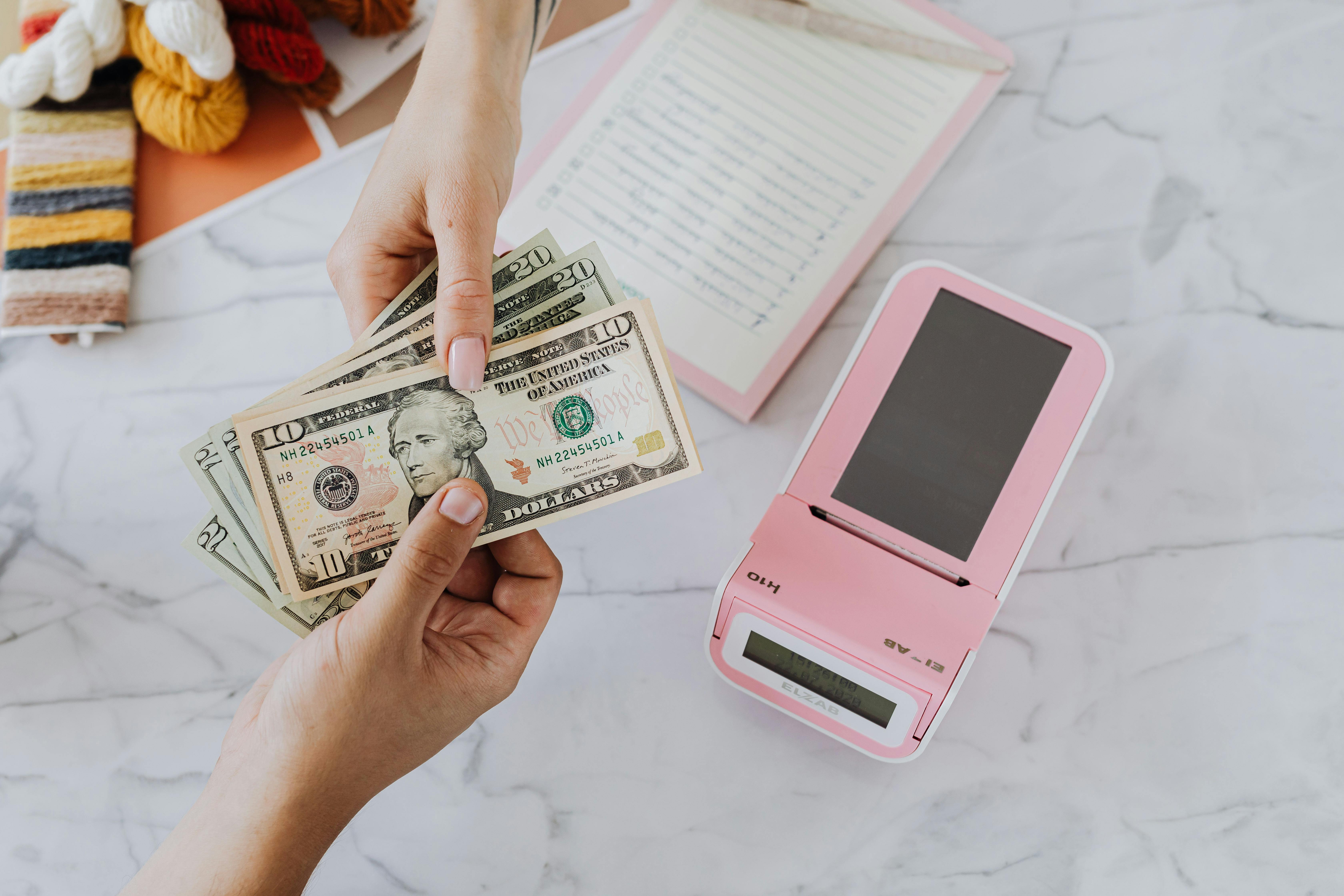
The fastest payment experience is often the one that requires the fewest steps
Modern consumers increasingly expect payments to feel instant.
They do not want to:
- type account numbers
- copy banking details
- enter long references
- search for payment information
Instead, they increasingly expect payments to work with a simple scan or tap.
This is one reason QR payments have become popular across the world.
When QR payments are combined with payment handles, the payment experience becomes even simpler.
What are QR payments?
A QR payment uses a scannable QR code that directs a user to a payment destination.
Instead of manually entering payment information, a user scans the code using a mobile device.
QR payments are increasingly common across:
- retail stores
- restaurants
- creator pages
- events
- service businesses
- online commerce
The appeal is straightforward.
Scanning is often faster than typing.
“The best payment experience is often the one that removes unnecessary steps.”

What is a payment handle?
A payment handle is a simple identity used to send or receive payments.
Instead of sharing:
- account numbers
- IBANs
- sort codes
- routing numbers
- wallet addresses
users share a memorable identity.
For example:
@yourname
or
@yourbusiness
can be easier to remember than traditional financial information.
People remember identities. They rarely remember payment instructions.
Why QR payments and payment handles work well together
QR payments solve one problem.
Payment handles solve another.
QR payments make payments easier to initiate.
Payment handles make payment destinations easier to recognise and remember.
Together they create a simpler payment experience.
For example:
- a creator shares a QR code
- a customer scans it
- the destination shows @creatorname
- the customer immediately recognises who is being paid



Join the conversation.
0 comments · Be respectful, be specific, be useful.
Be the first to comment.