
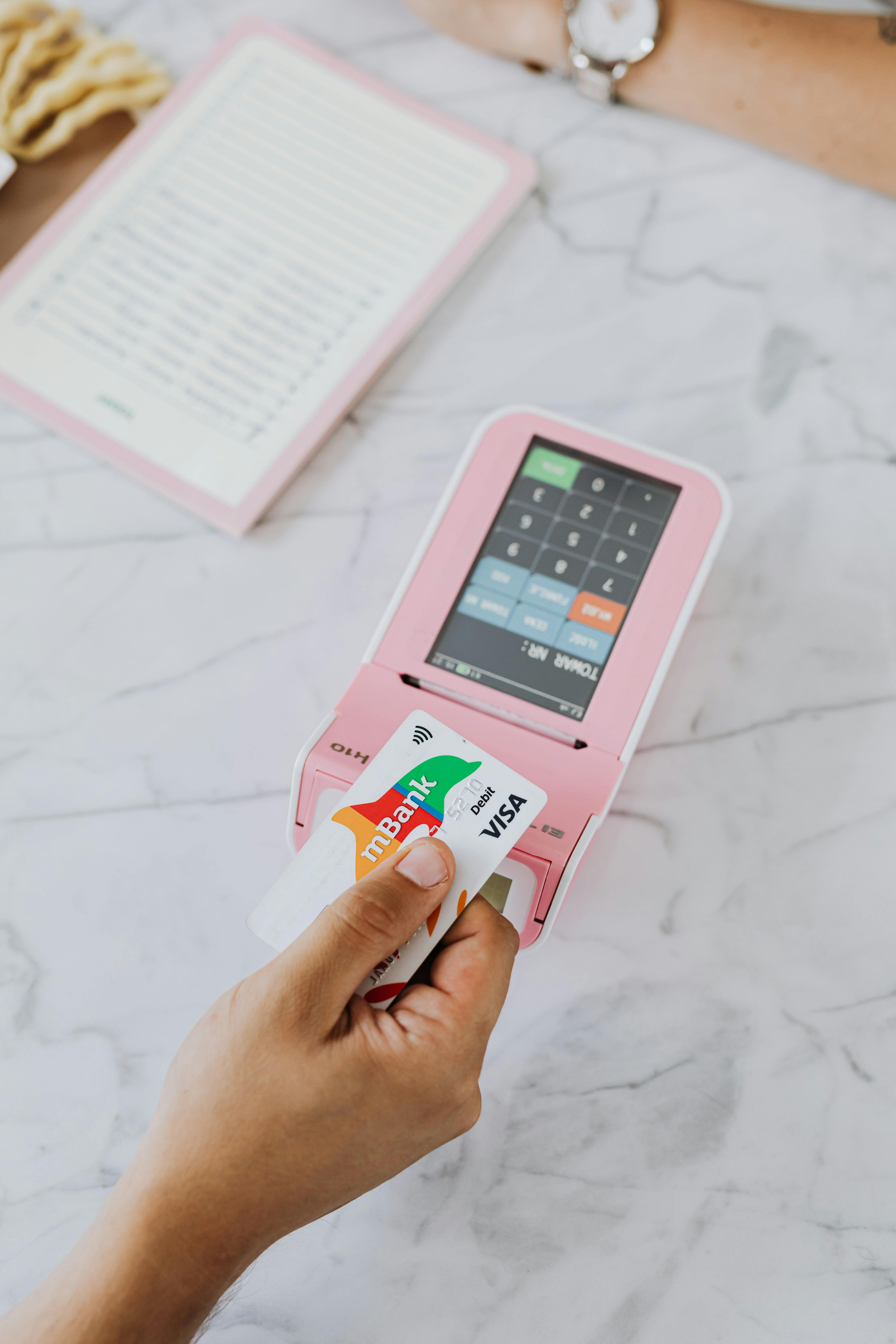
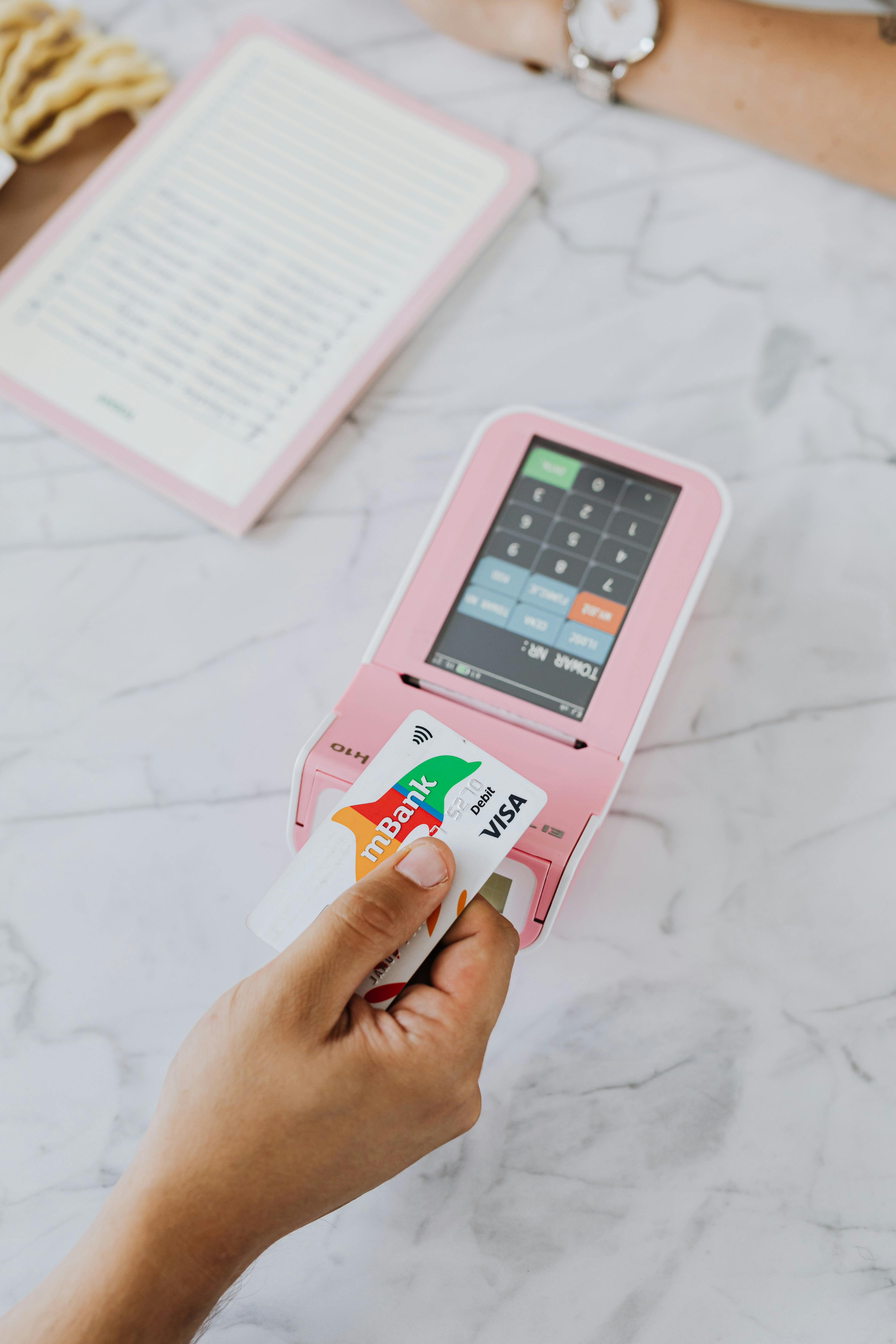
Mobile-First Cross-Border Payments

Cross-border payments increasingly became mobile-first
For decades, international payments often depended heavily on:
bank branches
wire transfers
manual banking infrastructure
IBAN numbers
SWIFT codes
But mobile internet participation increasingly changed how people interact financially.
Today, users increasingly expect:
mobile-first usability
instant transfers
wallet-native participation
QR payments
cross-border accessibility
Across:
India
Brazil
Nigeria
Philippines
Pakistan
United Kingdom
United States
United Arab Emirates
mobile wallets increasingly became part of everyday digital life.
The modern internet economy increasingly expects international payments to work through mobile-first participation, not slow traditional banking systems.
Why traditional international payments increasingly feel outdated
Traditional international payment systems were largely built around:
bank-linked infrastructure
manual payment details
regional banking rails
foreign exchange dependency
wire transfer participation
For years, users relied heavily on:
bank wires
traditional remittance providers
merchant banking systems
international banking infrastructure
But many users increasingly complain online about:
slow settlement
cross-border friction
payment complexity
banking dependency
high transfer costs
“The modern internet economy increasingly expects payments to move with the simplicity of messaging and social platforms.”
Based on mobile-wallet growth and cross-border payment participation trends.
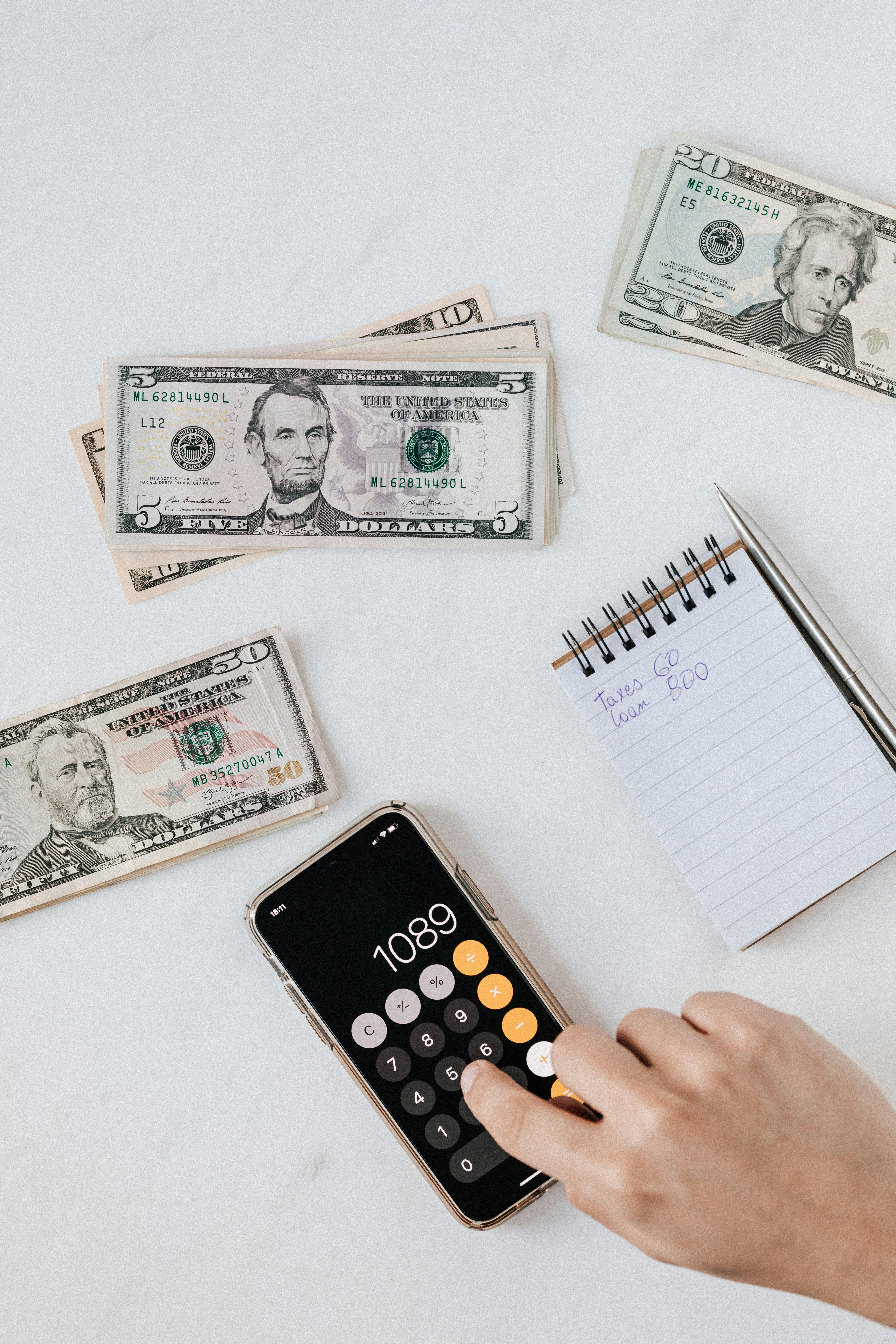
Why mobile wallet participation increasingly matters
Across global fintech ecosystems, users increasingly shifted toward:
mobile wallets
QR payments
wallet-native participation
payment links
portable payment identity
Systems such as:
UPI in India
Pix in Brazil
M-Pesa in Kenya
GCash in the Philippines
Cash App in the United States
helped normalize:
mobile-first payments
identity-driven interaction
scan-to-pay usability
wallet-native participation
This broader shift increasingly changed expectations around how international payments should work globally.
Users increasingly expect:
simple payment discovery
cross-border accessibility
wallet-native participation
mobile-first usability
The future of international payments increasingly looks less like banking paperwork and more like mobile wallet participation.
Mobile-first participation through Spondula
Spondula positions itself around wallet-native global participation.
Instead of focusing primarily on:
IBANs
SWIFT codes
routing numbers
traditional banking infrastructure
Spondula focuses on:
mobile wallet participation
QR payments
payment links
portable payment identity
cross-border usability
Spondula positions S-Handles as portable payment identity for mobile-first participation.
Instead of sharing long banking details, users can increasingly use:
S-Handles
QR codes
payment links
creator pages
wallet-native transfers



Join the conversation.
0 comments · Be respectful, be specific, be useful.
Be the first to comment.