

How To Receive Money From Another Country

Receiving money internationally should not feel more difficult than sending an email
Millions of people receive money from abroad every day.
This includes:
- freelancers
- remote workers
- consultants
- small businesses
- online sellers
- creators
- family members
Yet international payments can still feel complicated.
People often exchange lengthy payment instructions before a payment can even begin.
The challenge is not receiving money. The challenge is making it easy for someone else to send it.
Why international payments often feel complicated
Traditional international payment systems frequently require:
- account numbers
- IBANs
- SWIFT information
- routing numbers
- bank references
These systems were designed around financial infrastructure.
They were not designed around simplicity.
For many users, the process feels intimidating.
“People understand names. They often struggle with payment instructions.”
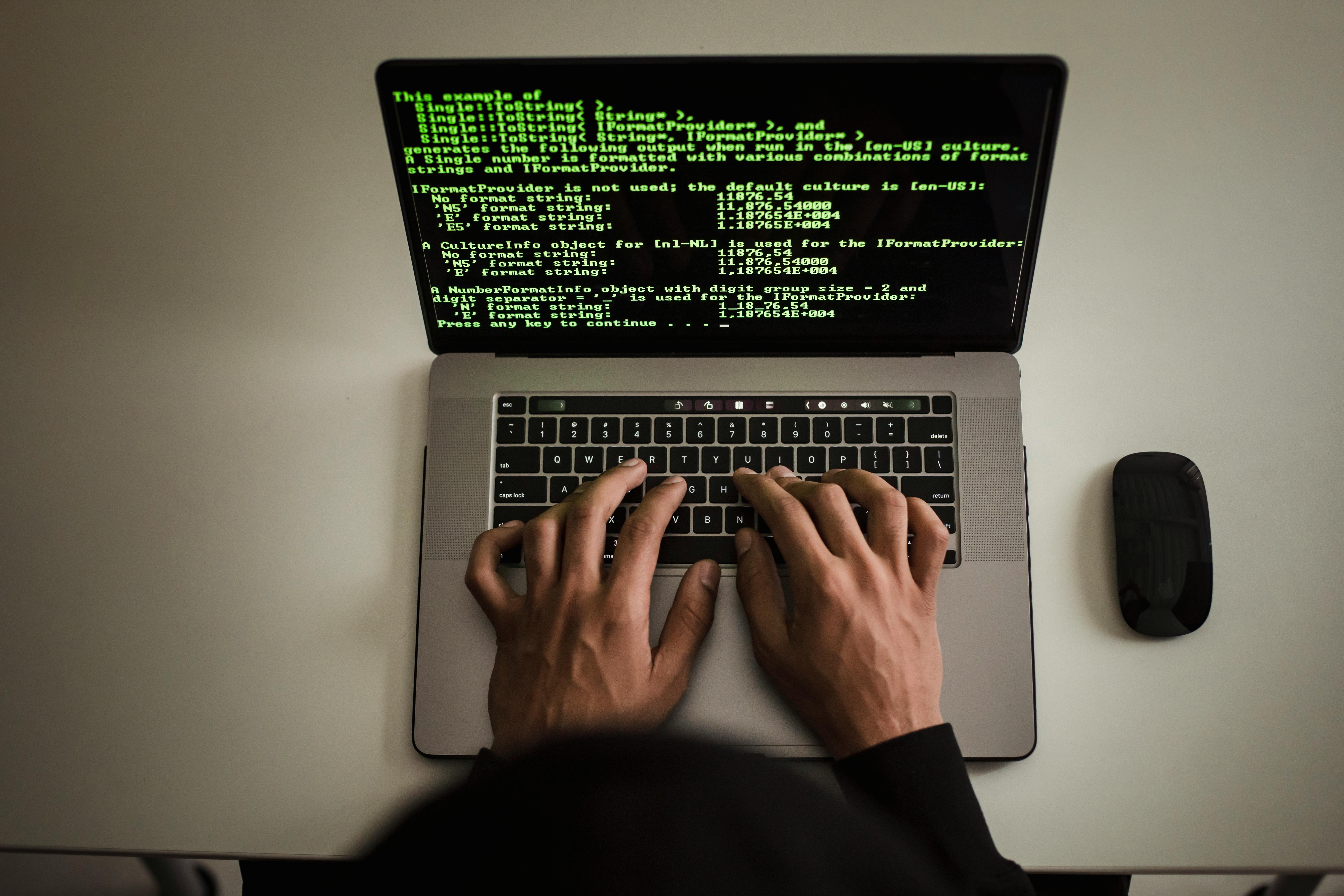
Who receives money internationally today?
International payments are no longer limited to large corporations.
Today they are used by:
- freelancers working remotely
- consultants serving global clients
- online businesses
- digital creators
- cross-border families
- international sellers
The growth of remote work and digital commerce has dramatically increased the number of people receiving payments from abroad.
Global work has become normal. Global payments are becoming normal too.
Why payment links simplify receiving money
Payment links create a direct path to payment.
Instead of sending detailed payment instructions, a user can share a payment link.
The sender:
- opens the link
- reviews the payment destination
- continues through the payment experience
This creates a more familiar digital experience.



Join the conversation.
0 comments · Be respectful, be specific, be useful.
Be the first to comment.