

Cross-Border Wallet Payments Explained
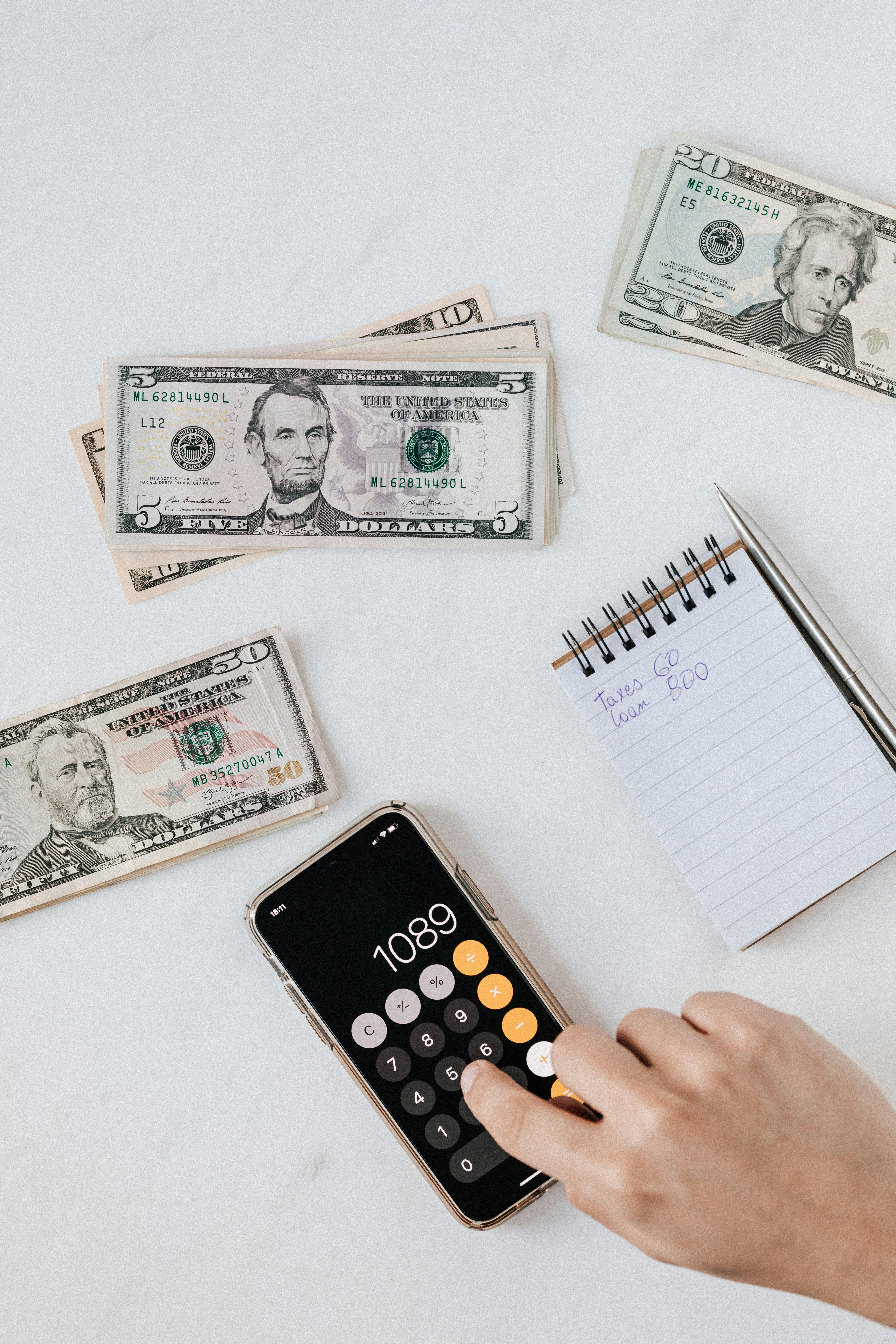
Cross-border wallet payments increasingly became mainstream
Cross-border wallet participation increasingly changed how people move money globally.
Across:
India
Brazil
Nigeria
Philippines
Pakistan
United Kingdom
United States
United Arab Emirates
users increasingly became familiar with:
mobile wallets
QR payments
wallet-native participation
payment links
mobile-first checkout
What once felt experimental increasingly became everyday payment infrastructure.
The modern internet economy increasingly expects cross-border wallet payments to work globally from wallet participation to local bank withdrawal.
Why traditional international transfers increasingly feel outdated
Traditional international payment systems were largely built around:
bank-linked infrastructure
manual banking details
wire transfer participation
regional banking rails
foreign exchange dependency
For decades, users relied heavily on:
bank branches
cash remittance agents
international banking systems
traditional transfer providers
But modern users increasingly complain online about:
slow settlement
cross-border friction
payment complexity
high transfer costs
banking dependency
“The modern internet economy increasingly expects payments to move with the simplicity of messaging and social platforms.”
Based on mobile-wallet growth and cross-border payment participation trends.

Why wallet-native participation increasingly matters
Across global fintech ecosystems, users increasingly shifted toward:
mobile wallets
QR payments
wallet-native participation
payment links
portable payment identity
Systems such as:
UPI in India
Pix in Brazil
M-Pesa in Kenya
GCash in the Philippines
Cash App in the United States
helped normalize:
mobile-first interaction
wallet-native participation
scan-to-pay usability
instant payment participation
This broader shift increasingly changed expectations around how international payments should work globally.
Users increasingly expect:
simple payment discovery
mobile-first usability
cross-border accessibility
wallet-native participation
The future of international payments increasingly looks less like banking paperwork and more like mobile wallet participation.
Cross-border wallet participation through Spondula
Spondula positions itself around wallet-native global participation.





Join the conversation.
0 comments · Be respectful, be specific, be useful.
Be the first to comment.