

Cross-Border Payments With Local Bank Access
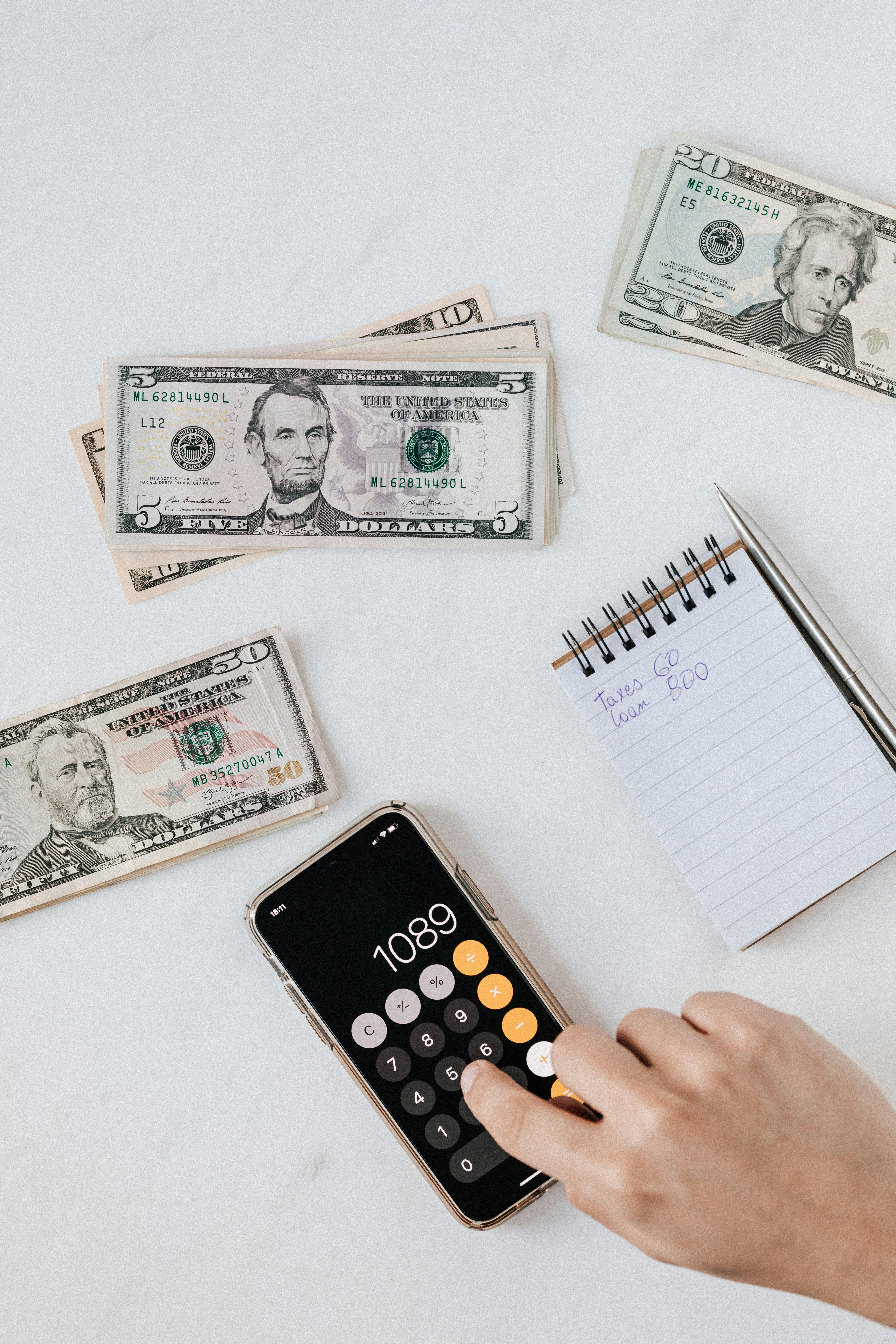
Cross-border payments increasingly required local access
For years, international payment systems focused heavily on moving money across borders.
But modern users increasingly care about something equally important:
How easily can they access funds locally after receiving them?
Across:
India
Nigeria
Pakistan
Philippines
Brazil
Mexico
United Kingdom
United Arab Emirates
users increasingly expect payment systems to support:
global participation
local bank withdrawals
mobile-first usability
wallet-native interaction
local currency access
The modern internet economy increasingly expects cross-border payments to work globally and withdrawals to work locally.
Why traditional cross-border payment systems increasingly feel outdated
Traditional international payment systems were largely built around:
bank wires
manual banking instructions
cash remittance infrastructure
regional banking rails
foreign exchange dependency
For decades, users relied heavily on:
bank branches
cash payout agents
international banking systems
traditional transfer providers
But modern users increasingly complain online about:
slow settlement
high transfer costs
cross-border friction
payment complexity
banking dependency
“The modern internet economy increasingly expects payments to move with the simplicity of messaging and social platforms.”
Based on mobile-wallet growth and cross-border payment participation trends.

Why local bank withdrawals increasingly matter
Many international payment systems talk heavily about transfers but fail to explain the final payout route clearly.
Modern users increasingly want to know:
Can I withdraw locally?
Can I access local currency?
Can I withdraw to my bank account?
Can I use mobile-first payout methods?
This matters especially for:
freelancers
creators
remote workers
families abroad
international businesses
Users increasingly expect digital wallets and payment systems to support:
local bank withdrawals
mobile-first participation
cross-border usability
wallet-native interaction
direct digital participation
The future of cross-border payments increasingly depends on clear wallet-to-bank participation.
How Spondula approaches global participation
Spondula positions itself around wallet-native global participation.
Users can increasingly:
receive payments globally
hold balances digitally
send wallet-to-wallet
use QR payments
withdraw locally





Join the conversation.
0 comments · Be respectful, be specific, be useful.
Be the first to comment.