Guides

Why The Philippines Became A Remote Work Hub

Spondula Team·5 min read·11 May 2026· Be the first to comment ↓

Why The Philippines Became A Remote Work Hub

Remote work and digital participation in the Philippines

Why the Philippines became globally connected through digital work

The Philippines quietly became one of the world’s most important remote work economies.

Over the last decade, smartphones, digital platforms and global internet participation transformed how millions of Filipinos work.

Freelancers increasingly operate internationally.

Creators monetize audiences globally.

Online businesses serve customers across borders.

Remote work participation increasingly happens through:

  • Upwork

  • online agencies

  • creator platforms

  • social commerce

  • mobile-first participation

  • digital communities

What makes the Philippines particularly important is not only the scale of participation.

It is the fact that the country became deeply integrated into the global digital economy through remote work and mobile-first internet access.

The Philippines did not simply adopt remote work. It became one of the world’s largest internet-connected workforces.

Why mobile-first participation accelerated rapidly

Smartphones dramatically changed economic participation across the Philippines.

Modern participation increasingly became:

  • mobile-first

  • internet-native

  • creator-led

  • cross-border

  • platform-driven

Digital wallets including:

  • GCash

  • Maya

helped normalize mobile-first payment participation across everyday life.

People increasingly became accustomed to:

  • QR payments

  • mobile wallets

  • digital commerce

  • smartphone-first interaction

  • instant participation

The Philippines became one of the clearest examples globally of how mobile-first infrastructure can rapidly reshape participation.
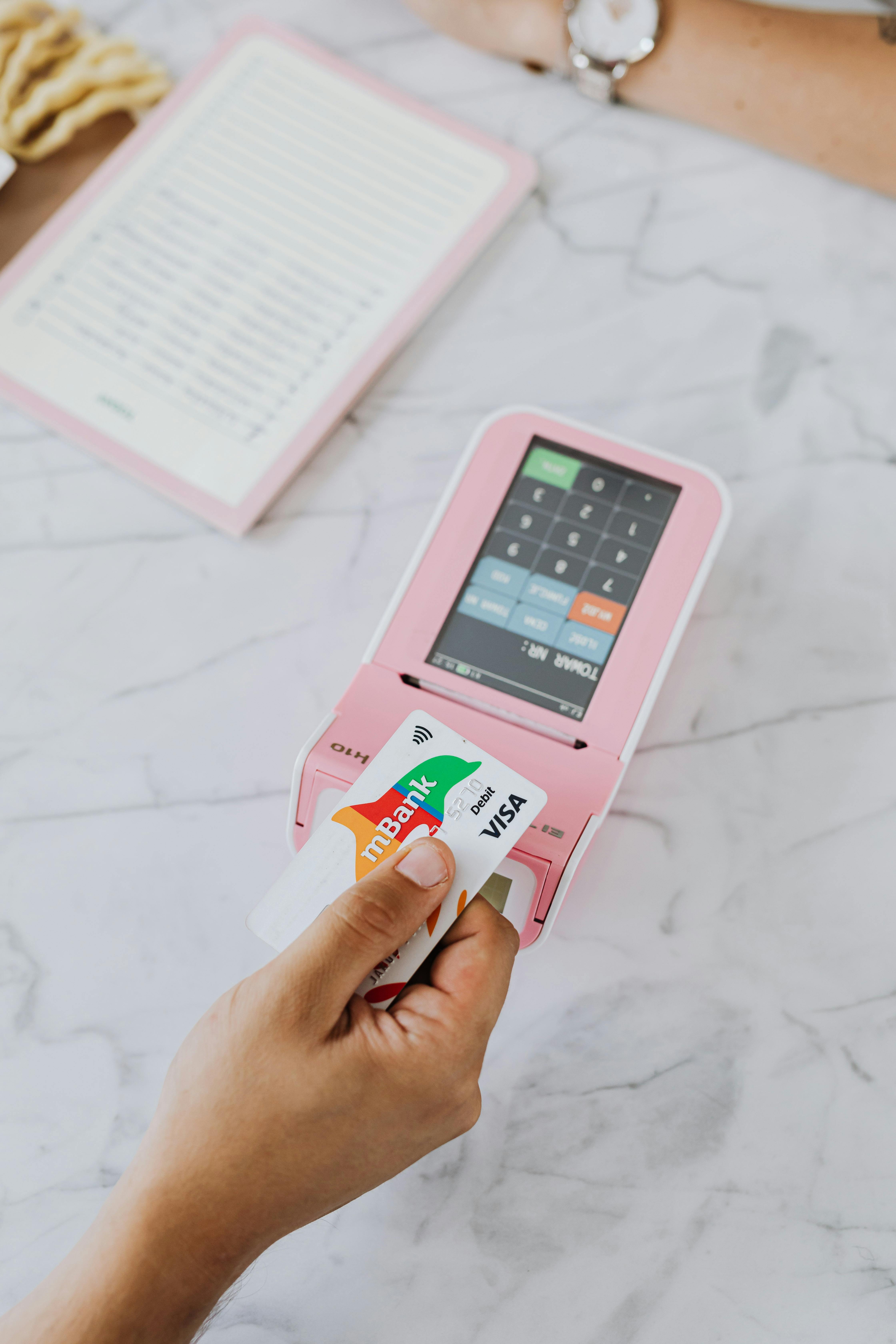
Mobile payments and smartphone participation in the Philippines

Why international payments still create friction

The Philippines increasingly operates globally through:

  • freelancing

  • remote work

  • creator-led businesses

  • cross-border ecommerce

  • digital services

But international payments still often introduce friction.

This becomes particularly visible for:

  • freelancers

  • remote workers

  • online agencies

  • creators

  • digital entrepreneurs

A freelancer in Manila can work with clients globally from a smartphone.

A creator in Cebu can build international audiences through TikTok and YouTube.

An online business in Davao can participate internationally through mobile-first commerce.

But international payments still often rely heavily on:

  • bank account coordination

  • manual transfer infrastructure

  • regional payout systems

  • fragmented international rails

  • processor-specific infrastructure

That creates a disconnect between:

  • how modern digital participation works

  • how international payments still often operate

“The Philippines became globally connected through remote work remarkably quickly. Cross-border payments still often feel far more fragmented.”

Why the Philippines became a creator and freelancer economy

The Philippines increasingly operates as one of the world’s most active digital workforce economies.

Modern participation increasingly happens through:
  • freelancing

  • content creation

  • online entrepreneurship

  • remote work

  • digital agencies

  • social commerce

Cities including:

  • Manila

  • Cebu

  • Davao

  • Makati

  • Quezon City

have become major digital participation hubs.

The internet dramatically reduced barriers for creators and freelancers to participate globally.

But payments still often remain geographically fragmented.

That friction becomes increasingly visible as international participation expands.

Philippines creator economy and remote work growth

Why portable payment identity increasingly matters in the Philippines

The internet already revolves around identity.

People increasingly recognize creators and businesses through:

  • social handles

  • creator usernames

  • digital storefronts

  • online communities

  • internet-native participation

Yet international payments still often rely heavily on:

  • bank account infrastructure

  • manual transfer coordination

  • processor-specific systems

  • regional payout infrastructure

That increasingly feels disconnected from how digital participation actually works online.

That is where Spondula positions itself differently.

Spondula is being built around wallet-first global participation.

Instead of relying entirely on:

  • routing numbers

  • bank account infrastructure

  • manual banking coordination

  • fragmented regional systems

users participate through:

  • S-Handles

  • wallet infrastructure

  • payment links

  • mobile-first interaction

  • global payment participation

Portable payment identity and global participation

Why the Philippines matters for the future of payments

The Philippines demonstrated how quickly society adapts when participation becomes mobile-first, internet-native and globally connected.

The strongest modern payment experiences increasingly share similar characteristics:

  • portable payment identity

  • mobile-first interaction

  • cross-border usability

  • wallet-first infrastructure

  • simplified participation

That direction matters because modern participation increasingly operates globally by default.

The Spondula one-pager describes the network as payment infrastructure where users can send, receive and hold pegged payment balances with wallet access, Operator-supported local infrastructure and compliant KYC/AML architecture. :contentReference[oaicite:0]{index=0}

Within that structure, creators and businesses could potentially:

  • receive payments through an S-Handle

  • share payment links globally

  • participate through wallet-first infrastructure

  • operate more smoothly across borders

The everyday payment layer focuses on USD-S, GBP-S and EUR-S while BTC-S and GOLD-S operate behind the broader payments layer.

The Philippines helped show how quickly global digital participation scales when internet access becomes mobile-first. The next evolution may be making cross-border payments feel equally seamless.

Your handle is your identity online. Secure the payment handle that matches it before launch.

Creators, freelancers, streamers and online businesses are already reserving their S-Handles ahead of the Spondula launch.

Your S-Handle is designed to become your portable payment identity across:

  • YouTube

  • Instagram

  • TikTok

  • X

  • online stores

  • digital communities

  • creator platforms

  • remote work participation

Instead of sharing complex banking details, you simply share your S-Handle.

Claim your handle now before someone else takes it.

Join the waitlist and reserve your S-Handle today.

Frequently asked questions

Why is the Philippines important in the remote work economy?

The Philippines became one of the world’s largest remote work and digital workforce economies through mobile-first internet access, freelancing and creator-led participation.

What digital wallets are popular in the Philippines?

Digital wallets including GCash and Maya helped accelerate mobile-first payment participation and digital commerce across the Philippines.

Why do international payments still feel fragmented in the Philippines?

While mobile-first participation evolved rapidly, international payments still often depend on fragmented regional banking systems and payout infrastructure.

What is an S-Handle?

An S-Handle is a portable payment identity linked to a Spondula wallet designed for wallet-first global payment participation.

Is Spondula only for freelancers and creators?

No. Spondula is being built as broader global payment infrastructure supporting creators, freelancers, merchants and everyday payment participation.


Spondula is a global payments network. It is not a bank, exchange, investment platform, or broker. Availability, pricing, and Operator coverage vary by country. Bitcoin rewards depend on real network activity and are not guaranteed. See our terms and conditions for full details.

More in Guides

Join the conversation.

0 comments · Be respectful, be specific, be useful.

Be the first to comment.