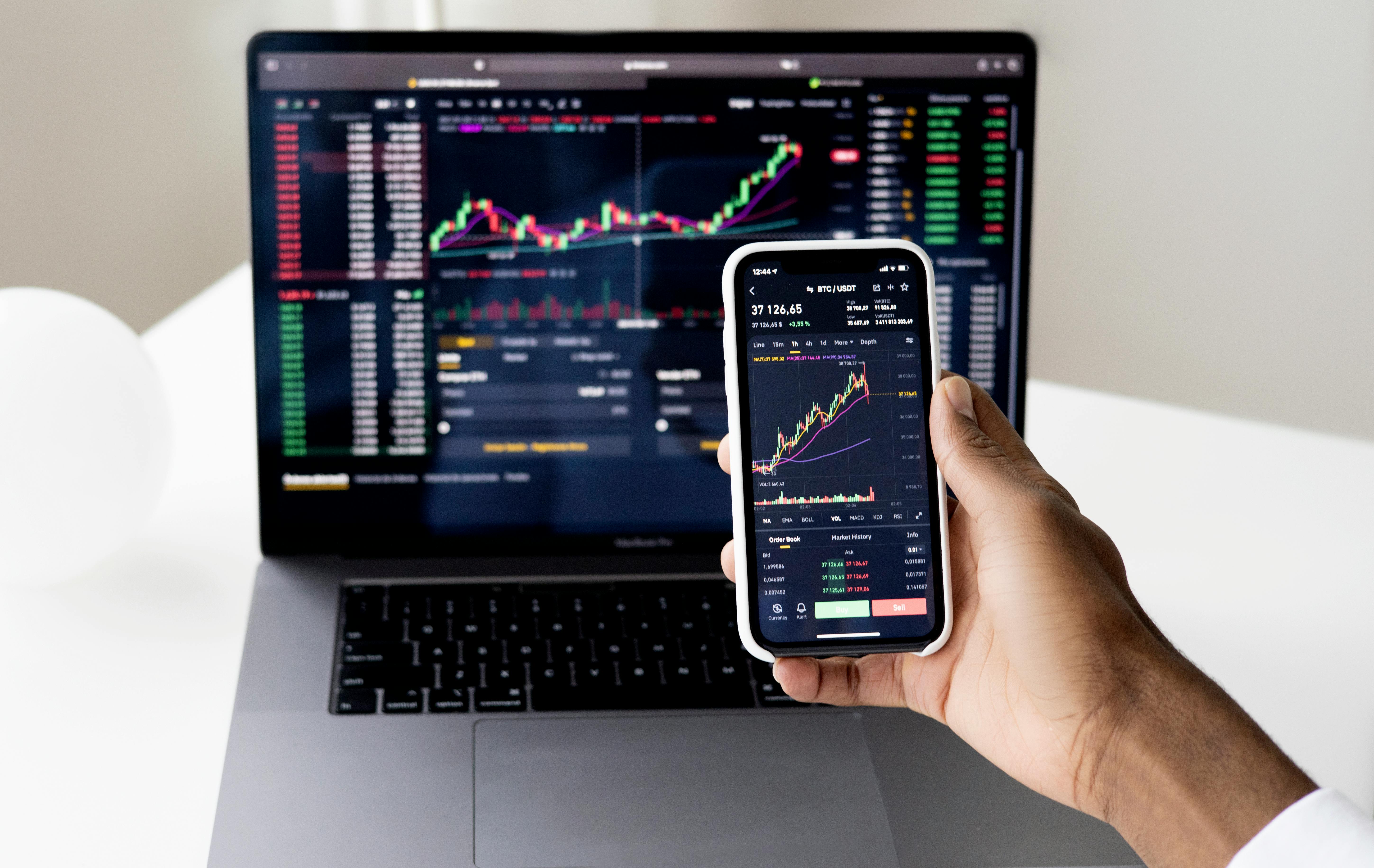
Why Global Commerce Needs Global Payments

Commerce already became global
The internet fundamentally changed commerce.
Today, businesses increasingly operate internationally from day one.
Creators build audiences globally.
Freelancers work remotely across borders.
Online stores increasingly sell internationally.
Digital participation increasingly operates through:
smartphones
creator economies
social commerce
remote work
mobile-first participation
The modern internet economy already became global.
But payment infrastructure often still operates through fragmented national systems.
The internet removed geographic barriers for participation
People can already:
message globally instantly
video call globally instantly
sell products globally instantly
build communities globally instantly
work remotely globally instantly
Social platforms already operate internationally.
TikTok is global.
YouTube is global.
Instagram is global.
X is global.
But payments often still depend on:
country-specific rails
regional banking systems
manual banking coordination
fragmented wallet ecosystems
localized infrastructure
The internet economy evolved faster than payment infrastructure.
Mobile wallets already transformed domestic participation
The world already proved smartphone-first participation works.
China normalized wallet-first participation through:
Alipay
WeChat Pay
India scaled instant participation through:
UPI
PhonePe
Paytm
Google Pay
Brazil transformed domestic participation through Pix.
Kenya normalized mobile-money participation through M-Pesa.
Southeast Asia increasingly operates through:
GCash
GoPay
PromptPay
PayNow
The strongest modern payment ecosystems increasingly revolve around:
mobile-first participation
wallet-first interaction
QR usability
identity-based participation
instant interaction
“Global commerce already became mobile-first and internet-native. Payments are still catching up.”
The creator economy exposed the payment gap
The creator economy accelerated cross-border participation dramatically.
Creators increasingly receive participation through:
tips
subscriptions
digital products
memberships
online communities
A creator in Brazil can build an audience in London.
A freelancer in Pakistan can work with clients in Dubai.
An online seller in the Philippines can participate globally through ecommerce.
The audience increasingly became international.
But payments often still remain fragmented.
Users may still need:
multiple wallets
different regional payment apps
bank transfers
country-specific rails
manual banking coordination
That increasingly feels disconnected from how global commerce already operates.

Modern participation increasingly revolves around identity
The internet already normalized participation through:
usernames
handles
creator identities
digital storefronts
social profiles
People increasingly remember:
TikTok handles
Instagram usernames
YouTube channels
X accounts
But payments still often rely on:
IBANs
routing numbers
sort codes
manual transfer details
The internet already evolved around identity-based participation.
Payments increasingly started evolving the same way.
The future of commerce increasingly depends on payments becoming as global and mobile-first as the internet itself.
The next challenge is global interoperability
The world already proved:
mobile wallets work
QR participation scales
instant payments change behavior
wallet-first participation succeeds
The remaining challenge is interoperability.
Most payment systems still remain fragmented across:
countries
currencies
regional rails
wallet ecosystems
banking infrastructures
Global commerce increasingly needs payment participation that feels:
portable
mobile-first
identity-driven
cross-border
internet-native
Why Spondula positions itself around global participation
Spondula is being built around wallet-first global participation.
Instead of relying entirely on:
country-specific wallets
regional banking systems
fragmented payment rails
manual banking coordination
users participate through:
S-Handles
wallet infrastructure
payment links
mobile-first interaction
cross-border usability
The network’s payment layers include:
USD-S
EUR-S
GBP-S
GOLD-S
BTC-S rewards
The Spondula one-pager describes the network as payment infrastructure where users can send, receive and hold pegged payment balances with wallet access, Operator-supported local infrastructure and compliant KYC/AML architecture. :contentReference[oaicite:0]{index=0}
The goal is not replacing domestic payment ecosystems.
The goal is enabling portable global participation through wallet-first infrastructure.
Global commerce already exists. Payments are increasingly evolving toward the same borderless participation model.
Your handle is your identity online. Secure the payment handle that matches it before launch.
Creators, freelancers, businesses and globally connected users are already reserving their S-Handles ahead of the Spondula launch.
Frequently asked questions
Why is global commerce growing so quickly?
Smartphones, creator economies, ecommerce and remote work made international participation significantly easier and more accessible.
Why are global payments still fragmented?
Most payment systems were built domestically or regionally and often stop functioning effectively across borders.
What are examples of mobile-first payment ecosystems?
Examples include UPI, Pix, Alipay, WeChat Pay, M-Pesa, PayNow and PromptPay.
What is an S-Handle?
An S-Handle is a portable payment identity linked to a Spondula wallet designed for wallet-first global payment participation.
Why does wallet-first participation matter for global commerce?
Modern commerce increasingly operates through smartphones, creator ecosystems and cross-border participation that require more portable and flexible payment infrastructure.
Spondula is a global payments network. It is not a bank, exchange, investment platform, or broker. Availability, pricing, and Operator coverage vary by country. Bitcoin rewards depend on real network activity and are not guaranteed. See our terms and conditions for full details.


Join the conversation.
0 comments · Be respectful, be specific, be useful.
Be the first to comment.