Why Cross-Border Payments Still Feel Fragmented
Why global participation still hits payment friction
A creator in London can build a global audience instantly. A freelancer in Lagos can work remotely with clients across Europe and North America. A merchant in São Paulo can sell products internationally through social commerce and mobile-first participation.
The internet already operates globally.
Many payment systems still often operate through fragmented regional infrastructure.
Modern users increasingly participate through:
social handles
digital storefronts
mobile-first participation
online communities
cross-border commerce
internet-native interaction
Yet many payment systems still often depend heavily on:
bank account numbers
routing numbers
IBAN systems
manual banking coordination
country-specific payout rails
fragmented financial infrastructure
That creates friction involving:
cross-border payout limitations
manual transfer coordination
payment delays
regional restrictions
currency conversion layers
dependency on traditional banking systems
Spondula is being built around a different direction: a wallet-first global payments network where businesses, creators and freelancers can send, receive, hold, accept and participate through wallets, payment links and S-Handles rather than depending entirely on fragmented banking infrastructure.
The internet already operates globally. Payments increasingly need to stop behaving like isolated regional systems.
Why traditional cross-border systems create fragmentation
Traditional payment infrastructure evolved around country-by-country banking coordination.
That structure often still depends heavily on:
regional banking rails
manual settlement coordination
country-specific payout systems
routing instructions
IBAN systems
fragmented financial infrastructure
However, modern internet participation increasingly revolves around:
portable identity
mobile-first participation
online communities
cross-border interaction
internet-native commerce
That creates a disconnect between:
global digital participation
traditional regional payment infrastructure

Why payment identity matters globally
Modern users already recognize businesses and people through:
social handles
creator usernames
digital storefronts
online communities
internet-native participation
Yet many payment systems still often require:
manual bank transfers
routing instructions
banking coordination
processor-specific identities
That creates friction between:
internet-native identity
traditional payment infrastructure
Spondula positions the S-Handle as a portable payment identity linked to wallet infrastructure.
Instead of relying entirely on:
bank account infrastructure
manual banking coordination
fragmented payout systems
users simply participate through wallets and S-Handles.
“The internet already removed borders for communication, commerce and participation. Payments increasingly need to follow the same direction.”
How wallet-first participation changes cross-border payments
Wallet-first infrastructure changes how users interact with global payments.
Instead of treating payments as isolated banking instructions, wallet-first participation creates:

persistent identity
mobile-first access
portable participation
cross-border usability
internet-native interaction
An S-Handle is designed as a portable payment identity linked to a Spondula wallet.
The intended experience becomes closer to:
share handle
send payment
receive payment
participate globally
A creator in London could potentially receive audience payments globally through one wallet identity. A freelancer in Dubai could potentially receive international client payments through wallet-first infrastructure. A merchant in São Paulo could potentially operate international commerce around one portable payment layer instead of fragmented payout systems.
That creates a more internet-native payment experience.

How online and face-to-face payments are separated
Spondula separates payment participation into different experiences.
S-Handles → online and remote identity-based payments
Payment links → remote checkout and invoicing
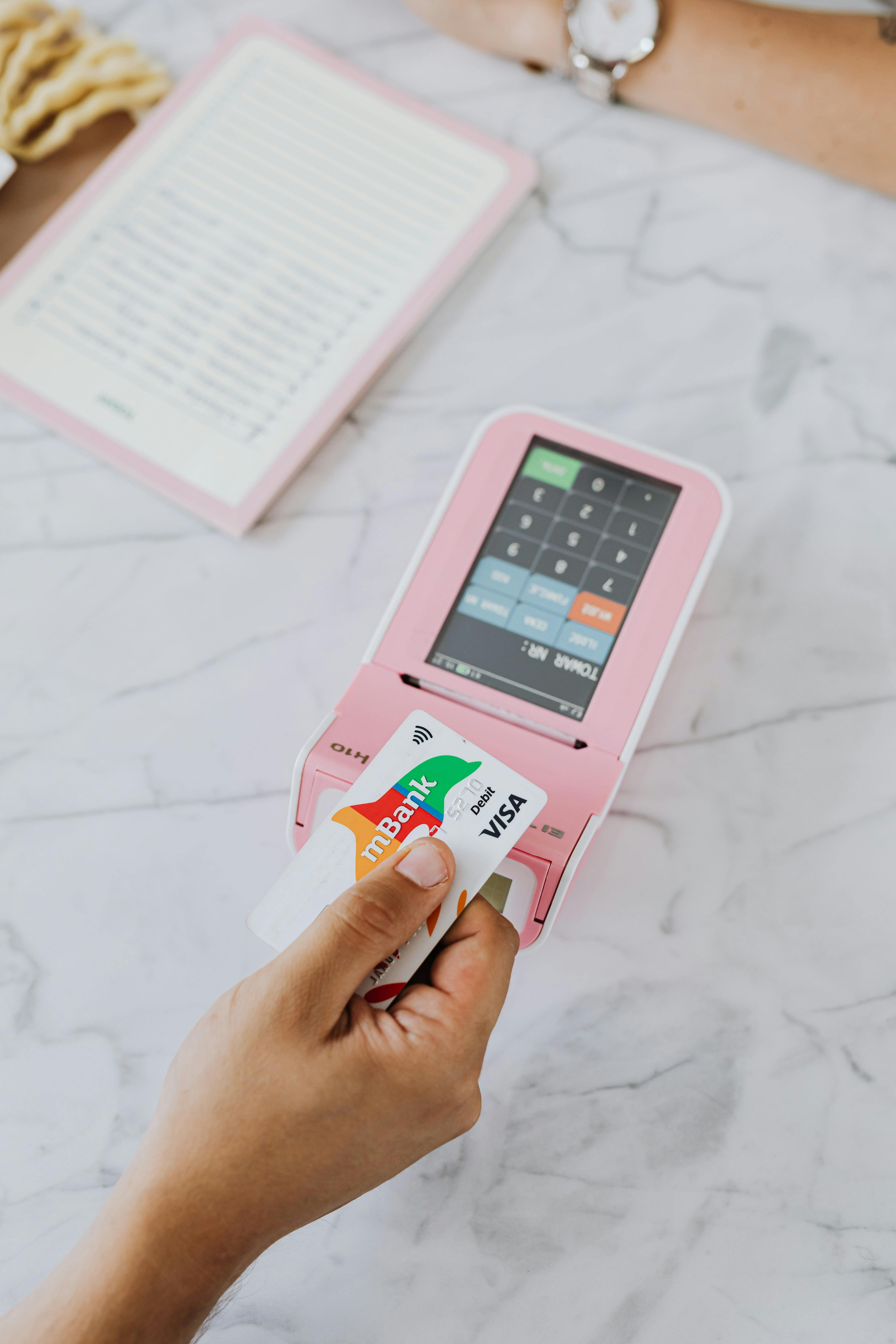
QR payments → face-to-face commerce and physical point of sale
That separation matters because each payment interaction requires different behaviour.
For example:
a creator may use an S-Handle online
a freelancer may send payment links remotely
a merchant may use QR acceptance physically in person
Together, they create a broader wallet-first payment ecosystem.

Why wallet-first infrastructure is evolving globally
The strongest modern payment systems increasingly share similar characteristics:
mobile-first participation
portable payment identity
cross-border interoperability
wallet-first infrastructure
reduced dependency on isolated banking systems
That is where Spondula positions itself differently.
Spondula is being designed around:
S-Handles
wallet participation
payment links
QR payment acceptance
online checkout
global payment infrastructure
Instead of relying entirely on:
bank account infrastructure
routing numbers
IBANs
isolated payout systems
the broader model becomes closer to:
portable identity
wallet-first participation
cross-border accessibility
mobile-first commerce
The future of payments increasingly looks more like internet participation and less like fragmented banking coordination.

How Spondula approaches payments differently
Spondula is not positioning itself as a domestic-only payment system. The network is being built around wallet-first global payment participation.
The Spondula one-pager describes the network as payment infrastructure where users can send, receive and hold pegged payment balances with wallet access, Operator-supported local infrastructure and compliant KYC/AML architecture. :contentReference[oaicite:0]{index=0}
Within that structure, users could potentially:
receive payments online through an S-Handle
share payment links remotely
accept QR payments face to face
participate through wallet-first infrastructure
operate across borders more smoothly
The everyday payment layer focuses on USD-S, GBP-S and EUR-S. BTC-S and GOLD-S sit behind the payments layer rather than replacing it.
Your handle is your identity online. Secure the payment handle that matches it before launch.
Creators, freelancers, streamers and online businesses are already reserving their S-Handles ahead of the Spondula launch.
Your S-Handle is designed to become your portable payment identity across:
TikTok
X
OnlyFans
Fansly
YouTube
livestream platforms
online stores
Instead of sharing bank details, routing numbers or payment processor usernames, you simply share your S-Handle.
Claim your handle now before someone else takes it.
Frequently asked questions
Why do cross-border payments still feel fragmented?
Many payment systems still rely heavily on regional banking infrastructure, country-specific payout rails and fragmented settlement systems.
What is an S-Handle?
An S-Handle is a portable payment identity linked to a Spondula wallet. It is designed for online and remote payments across payment links, wallet transfers and supported checkout systems.
How are QR payments different from S-Handles?
QR payments are designed mainly for face-to-face commerce while S-Handles are designed mainly for online and remote identity-based payments.
Can businesses use wallets, payment links and QR payments together?
Yes. Wallet-first infrastructure allows different payment participation methods to work together within a broader ecosystem.
Is Spondula only for cross-border payments?
No. Spondula is being built as broader global payment infrastructure supporting creators, freelancers, merchants and everyday payment participation.
Spondula is a global payments network. It is not a bank, exchange, investment platform, or broker. Availability, pricing, and Operator coverage vary by country. Bitcoin rewards depend on real network activity and are not guaranteed. See our terms and conditions for full details.


Join the conversation.
0 comments · Be respectful, be specific, be useful.
Be the first to comment.