The World Already Uses Mobile Payment Networks
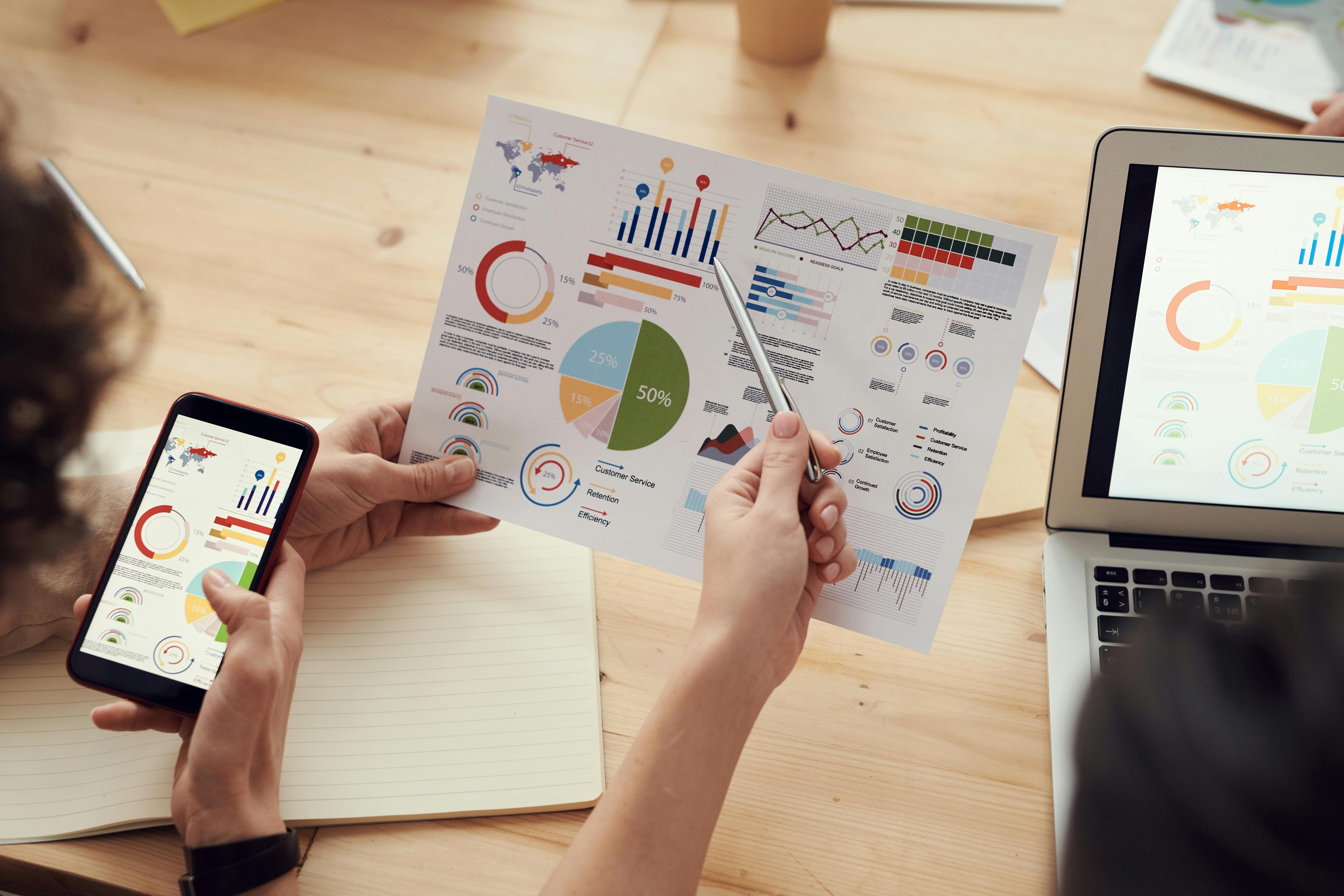
The world already switched to mobile payments
Something important already happened globally.
Most people just did not notice it happening country by country.
The world already moved beyond traditional banking behavior for everyday payments.
Across Asia, Africa, Latin America and parts of Europe, smartphones quietly became the primary way people interact economically.
Today, entire countries increasingly operate through:
mobile wallets
QR payments
instant payment rails
digital wallets
payment handles
mobile-first commerce
China runs heavily on QR payments.
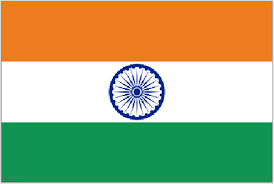
India normalized instant smartphone payments at enormous scale.
Brazil transformed consumer behavior through Pix.
Kenya became one of the world’s most important mobile-money economies through M-Pesa.
The Philippines, Indonesia, Vietnam and Thailand increasingly operate through wallet-first ecosystems.
The transition already happened.
The problem is not whether mobile payments won. The problem is that almost every payment system still stops at borders.
China proved QR payments could scale nationally
China became one of the first major examples of smartphone-first economic participation operating at massive scale.
Platforms including:
Alipay
WeChat Pay
transformed everyday participation.
QR codes became normalized everywhere from:
street food stalls
shopping malls
restaurants
taxi rides
small merchants
China demonstrated something critically important.
When payments become frictionless through smartphones, behavior changes rapidly.
India built one of the largest instant payment systems in history
India pushed digital payment participation even further.
UPI became one of the world’s largest instant payment rails by transaction volume.
Platforms including:
PhonePe
Paytm
Google Pay
BHIM
normalized instant smartphone-based payments across everyday life.
QR payments became ordinary.
Street vendors increasingly accept digital payments.
Small businesses increasingly operate through smartphones.
India showed how rapidly instant payments scale when mobile participation becomes simple.
“The future of payments already exists globally. It just exists inside disconnected national ecosystems.”
Southeast Asia became a wallet-first economy
Southeast Asia increasingly operates through mobile wallet ecosystems.
The region became one of the world’s clearest examples of smartphone-native economic participation.
Across the Philippines:
GCash
Maya
Indonesia:
GoPay
OVO
DANA
Vietnam:
MoMo
ZaloPay
Thailand:
PromptPay
TrueMoney
Malaysia:
DuitNow
Touch 'n Go eWallet
Boost
Singapore:
PayNow
GrabPay
Cambodia:
Bakong
Bangladesh:
bKash
Nagad
Pakistan:
Raast
JazzCash
EasyPaisa
the same pattern emerged repeatedly.
Smartphones increasingly became the center of economic participation.
East Asia normalized super-app payments
South Korea and Japan developed highly integrated digital payment ecosystems.
South Korea increasingly operates through:
Kakao Pay
Naver Pay
Toss
Samsung Wallet
Japan expanded participation through:
PayPay
LINE Pay
Rakuten Pay
These systems normalized:
smartphone payments
digital wallets
wallet-first participation
mobile commerce
payment-linked ecosystems
Africa proved mobile money could leapfrog banking infrastructure
Africa became one of the most important regions in the evolution of mobile-first payments.
Kenya’s M-Pesa became one of the most famous mobile-money success stories globally.
It demonstrated how smartphone and mobile-first participation could expand even where traditional banking infrastructure remained limited.
Nigeria increasingly operates through:
OPay
PalmPay
Paga
Ghana expanded mobile participation through:
MTN MoMo
Vodafone Cash
AirtelTigo Money
South Africa increasingly uses:
SnapScan
Zapper
Ozow
Africa helped prove something important.
People do not need traditional banking behavior to participate digitally.

Latin America became an instant payment economy
Latin America increasingly operates through mobile-first instant payment participation.
Brazil’s Pix completely changed how payments operate domestically.
Mexico increasingly uses:
CoDi
Mercado Pago
Argentina increasingly operates through:
Mercado Pago
Ualá
Colombia increasingly uses:
Nequi
Daviplata
Peru increasingly operates through:
Yape
Plin
Chile increasingly uses:
MACH
Mercado Pago
The same pattern repeated across the region.
People increasingly expect:
instant participation
mobile-first interaction
QR payments
wallet-first commerce
digital payment simplicity
The Middle East increasingly operates through digital wallets
The Middle East increasingly expanded wallet-first payment participation.
The UAE increasingly operates through:
e& money
Careem Pay
Botim Pay
Saudi Arabia increasingly uses:
STC Pay
mada Pay
Lebanon increasingly uses:
OMT Pay
Wish Money
Across the region, smartphones increasingly became central to participation.
Europe remained fragmented because banking infrastructure stayed strong
Europe evolved differently.
Strong banking rails slowed the urgency for wallet-first disruption.
But mobile payment ecosystems still emerged:
iDEAL (Netherlands)
BLIK (Poland)
Swish (Sweden)
MobilePay (Denmark)
Vipps (Norway)
MB WAY (Portugal)
Pan-regional participation increasingly operates through:
Revolut
PayPal
Apple Pay
Google Wallet
Europe demonstrated that even mature banking systems increasingly shift toward mobile-first participation.
North America normalized peer-to-peer payments
The United States increasingly normalized smartphone-first peer-to-peer payments through:
Cash App
Venmo
Zelle
PayPal
Apple Pay
Canada increasingly operates through:
Interac e-Transfer
North America helped normalize payment identity through usernames, handles and mobile-first participation.
But even these systems remain heavily regional.
The world already has hundreds of mobile payment systems. The problem is they mostly stop at borders.
So who needs dozens of payment apps?
That is the increasingly important question.
Today, global participation remains fragmented across:
national wallets
regional payment systems
country-specific apps
bank-linked ecosystems
local payment rails
A user moving internationally often needs completely different payment systems depending on the country.
But the internet itself already operates globally.
That is where Spondula positions itself differently.
Spondula is being built as wallet-first global payment infrastructure designed around:
S-Handles
mobile-first participation
cross-border usability
portable payment identity
global payment participation
Instead of relying entirely on:
country-specific wallets
regional banking systems
local payment rails
fragmented payment ecosystems
users participate through wallet-first infrastructure designed for global participation.
The Spondula network includes payment layers such as:
USD-S
EUR-S
GBP-S
GOLD-S
BTC-S rewards
The goal is not replacing local payment behavior domestically.
The goal is enabling global participation without needing dozens of disconnected apps.
The world already proved mobile-first payments work. The next evolution is connecting participation globally.
Your handle is your identity online. Secure the payment handle that matches it before launch.
Creators, freelancers, businesses and globally connected users are already reserving their S-Handles ahead of the Spondula launch.
Instead of sharing complex banking details, users simply share their S-Handle.
Frequently asked questions
Why are mobile payment apps becoming dominant globally?
Smartphones increasingly became the center of economic participation, allowing instant payments, QR commerce and mobile-first interaction at enormous scale.
What is the biggest problem with current payment apps?
Most payment apps remain regional or country-specific and often stop working effectively across borders.
What is UPI?
UPI is India’s instant payment infrastructure and one of the world’s largest payment rails by transaction volume.
What is Pix?
Pix is Brazil’s instant payment system that transformed mobile-first payment participation across the country.
What is an S-Handle?
An S-Handle is a portable payment identity linked to a Spondula wallet designed for wallet-first global payment participation.
Spondula is a global payments network. It is not a bank, exchange, investment platform, or broker. Availability, pricing, and Operator coverage vary by country. Bitcoin rewards depend on real network activity and are not guaranteed. See our terms and conditions for full details.


Join the conversation.
0 comments · Be respectful, be specific, be useful.
Be the first to comment.