The Global Instant Payment Race

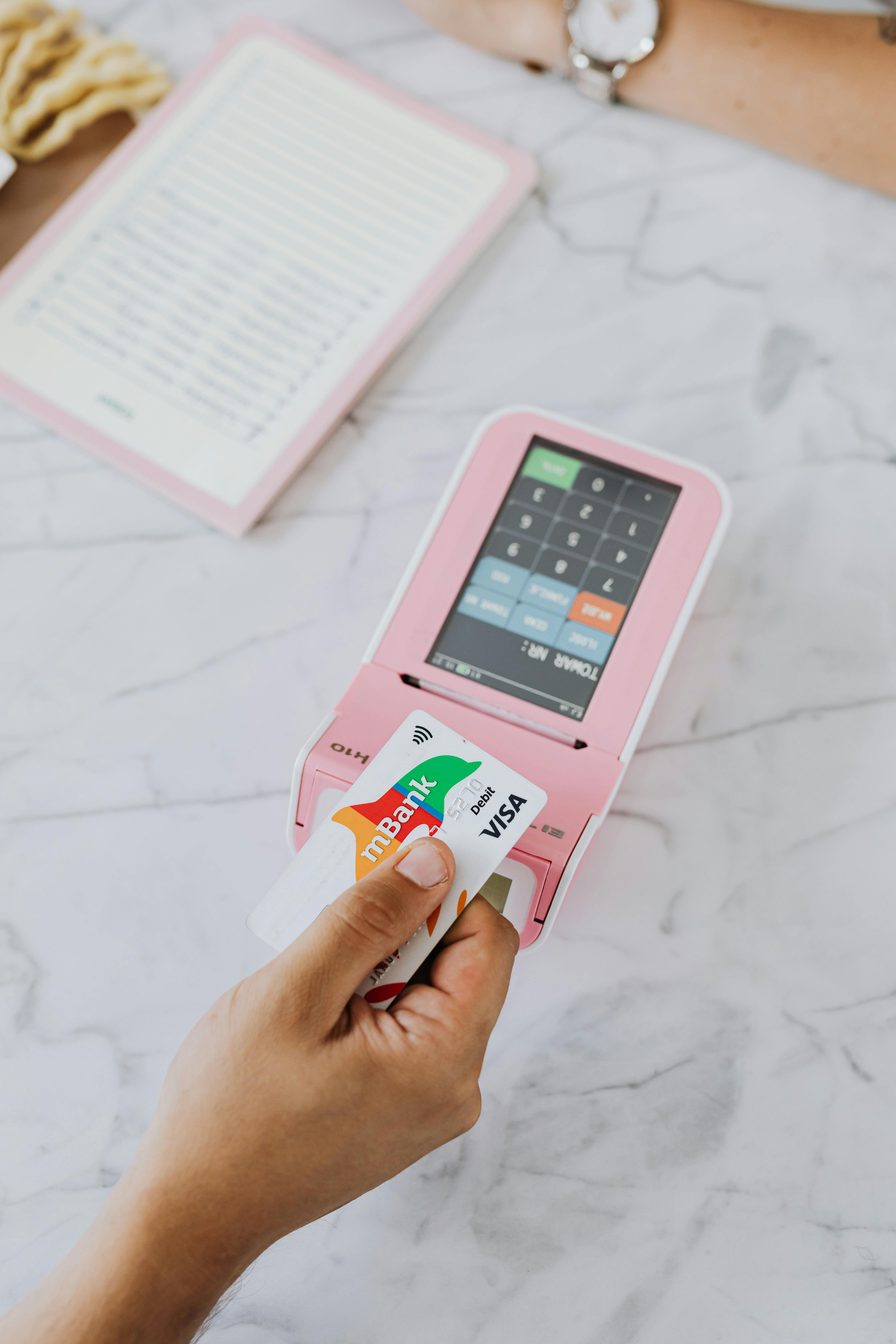
The world is racing toward instant payments
Something major is happening globally.
Countries around the world are rebuilding payment infrastructure for the smartphone era.
For decades, payments often moved through:
batch settlement systems
banking delays
manual transfer infrastructure
regional clearing systems
slow banking coordination
But smartphones changed expectations dramatically.
Consumers increasingly expect:
instant interaction
real-time participation
mobile-first usability
24/7 accessibility
wallet-first convenience
As a result, countries increasingly began building instant payment rails.
The future of payments increasingly revolves around speed, mobile participation and real-time infrastructure.
India built one of the world’s largest instant payment systems
India became one of the clearest examples globally of instant payment infrastructure scaling at enormous volume.
UPI transformed domestic payment participation dramatically.
Platforms including:
PhonePe
Paytm
Google Pay
BHIM
normalized instant smartphone-based participation across everyday life.
QR participation increasingly became ordinary across:
street vendors
small businesses
online commerce
creator-led participation
everyday retail
India demonstrated how quickly participation changes when instant payments become frictionless.

Brazil transformed domestic participation through Pix
Brazil became another major example of instant payment adoption operating at scale.
Pix dramatically changed how payments function domestically.
Consumers increasingly shifted toward:
instant transfers
QR participation
mobile-first interaction
wallet participation
smartphone-first commerce
Pix demonstrated how rapidly instant payment behavior becomes normalized once infrastructure friction disappears.
“The global payment race is increasingly about real-time participation rather than traditional banking speed.”
Asia became deeply real-time and wallet-first
Several Asian economies increasingly evolved around instant participation and wallet-first infrastructure.
China normalized smartphone participation through:
Alipay
WeChat Pay
Singapore increasingly operates through:
PayNow
GrabPay
Thailand increasingly uses:
PromptPay
TrueMoney
Malaysia increasingly operates through:
DuitNow
Touch 'n Go eWallet
Across Southeast Asia, consumers increasingly expect:
real-time participation
instant wallet transfers
QR usability
smartphone-first commerce
Africa expanded mobile-money participation rapidly
Africa evolved through mobile-money systems rather than traditional banking expansion.
Kenya’s M-Pesa demonstrated how mobile-first participation could scale rapidly.
Nigeria increasingly operates through:
OPay
PalmPay
Paga
Ghana increasingly uses:
MTN MoMo
Vodafone Cash
Africa helped demonstrate that instant mobile participation could leapfrog traditional banking infrastructure entirely.

Europe and North America are modernizing more slowly
Europe and North America evolved differently.
Strong banking systems slowed the urgency for wallet-first disruption.
But modernization increasingly accelerated through:
SEPA Instant
FedNow
RTP
Interac e-Transfer
Zelle
Wallet-first participation also increasingly expanded through:
Cash App
Venmo
PayPal
Apple Pay
Google Wallet
Revolut
Even mature banking markets increasingly shifted toward:
instant interaction
mobile participation
wallet-first usability
real-time payment expectations
The remaining challenge is interoperability
The world already proved instant payments work.
The world already proved smartphone participation scales.
But one major problem still remains.
Most instant payment systems remain fragmented across:
countries
currencies
regional rails
banking ecosystems
wallet infrastructures
A user moving internationally may still require:
different wallets
different rails
different banking systems
multiple payment apps
The internet itself no longer works this way.
Payments often still do.
The next phase of the payment race is not simply speed. It is global interoperability.
Why portable payment identity increasingly matters
The strongest modern payment systems increasingly share similar characteristics:
payment handles
wallet-first participation
mobile-first interaction
QR usability
real-time participation
Identity increasingly became central to participation through:
usernames
payment handles
wallet identities
creator profiles
digital storefronts
The future increasingly revolves around portable participation rather than isolated national systems.
Why Spondula positions itself differently
Spondula is being built around wallet-first global participation.
Instead of relying entirely on:
country-specific wallets
regional payment rails
fragmented banking systems
manual banking coordination
users participate through:
S-Handles
wallet infrastructure
payment links
mobile-first interaction
cross-border usability
The network’s payment layers include:
USD-S
EUR-S
GBP-S
GOLD-S
BTC-S rewards
The goal is not replacing domestic instant payment systems.
The goal is enabling portable global participation through wallet-first infrastructure.
The world already moved toward instant payments. The next evolution is making instant participation global instead of fragmented.
Your handle is your identity online. Secure the payment handle that matches it before launch.
Creators, freelancers, businesses and globally connected users are already reserving their S-Handles ahead of the Spondula launch.
Frequently asked questions
What are instant payment systems?
Instant payment systems allow real-time digital participation and transfers through smartphone-first and wallet-based infrastructure.
What are examples of major instant payment rails?
Examples include UPI, Pix, PayNow, SEPA Instant, FedNow, RTP and PromptPay.
Why are countries building instant payment infrastructure?
Smartphones changed consumer expectations toward real-time, mobile-first participation and instant usability.
What is an S-Handle?
An S-Handle is a portable payment identity linked to a Spondula wallet designed for wallet-first global payment participation.
What is wallet-first participation?
Wallet-first participation refers to smartphone-based payment interaction built around mobile wallets, payment handles and real-time digital participation.
Spondula is a global payments network. It is not a bank, exchange, investment platform, or broker. Availability, pricing, and Operator coverage vary by country. Bitcoin rewards depend on real network activity and are not guaranteed. See our terms and conditions for full details.


Join the conversation.
0 comments · Be respectful, be specific, be useful.
Be the first to comment.