

SWIFT vs Modern Payment Networks

Global payments are entering a transition period
For decades, international payments largely revolved around:
banks
SWIFT messaging
correspondent banking systems
institution-based settlement infrastructure
That infrastructure helped connect the global financial system long before smartphones and internet-native commerce existed.
But the modern internet economy increasingly operates through:
mobile wallets
payment apps
creator businesses
real-time participation
cross-border digital commerce
As a result, payment expectations are changing rapidly.
The internet economy increasingly expects payments to feel instant, portable and mobile-first rather than layered and institution-heavy.
What SWIFT was originally designed to do
SWIFT stands for:
Society for Worldwide Interbank Financial Telecommunication.
It acts as a secure global messaging network used by financial institutions to coordinate international payment instructions.
SWIFT became one of the foundational layers of international banking infrastructure because it standardized communication between banks worldwide.
The network became especially important for:
international trade
corporate treasury operations
cross-border banking
international remittances
Even today, much of global banking infrastructure still relies heavily on SWIFT coordination.

Why international payments can still feel complicated
International transfers often involve:
multiple currencies
multiple institutions
foreign exchange conversion
compliance reviews
regional settlement systems
Many transfers also rely on:
correspondent banking relationships.
This means payments may pass through several institutions before settlement completes.
That infrastructure helped build the global banking world, but it can also create:
settlement delays
higher costs
layered coordination
payment friction
For internet-native users, this increasingly feels disconnected from how modern digital participation already works.
“The internet already operates continuously in real time, while much of international banking infrastructure still operates through layered coordination systems.”
Modern payment networks evolved differently
Newer payment systems increasingly focus on:
wallet-first participation
mobile-native interaction
identity-based usability
real-time settlement
simplified payment participation
Examples include:
UPI in India
Pix in Brazil
M-Pesa in Kenya
Alipay in China
PayNow in Singapore
Cash App in the United States
These systems helped normalize:
instant payments
QR participation
mobile-first commerce
wallet-native usability
The result is a generation of users increasingly expecting payments to feel:
simple
portable
real time
mobile-first
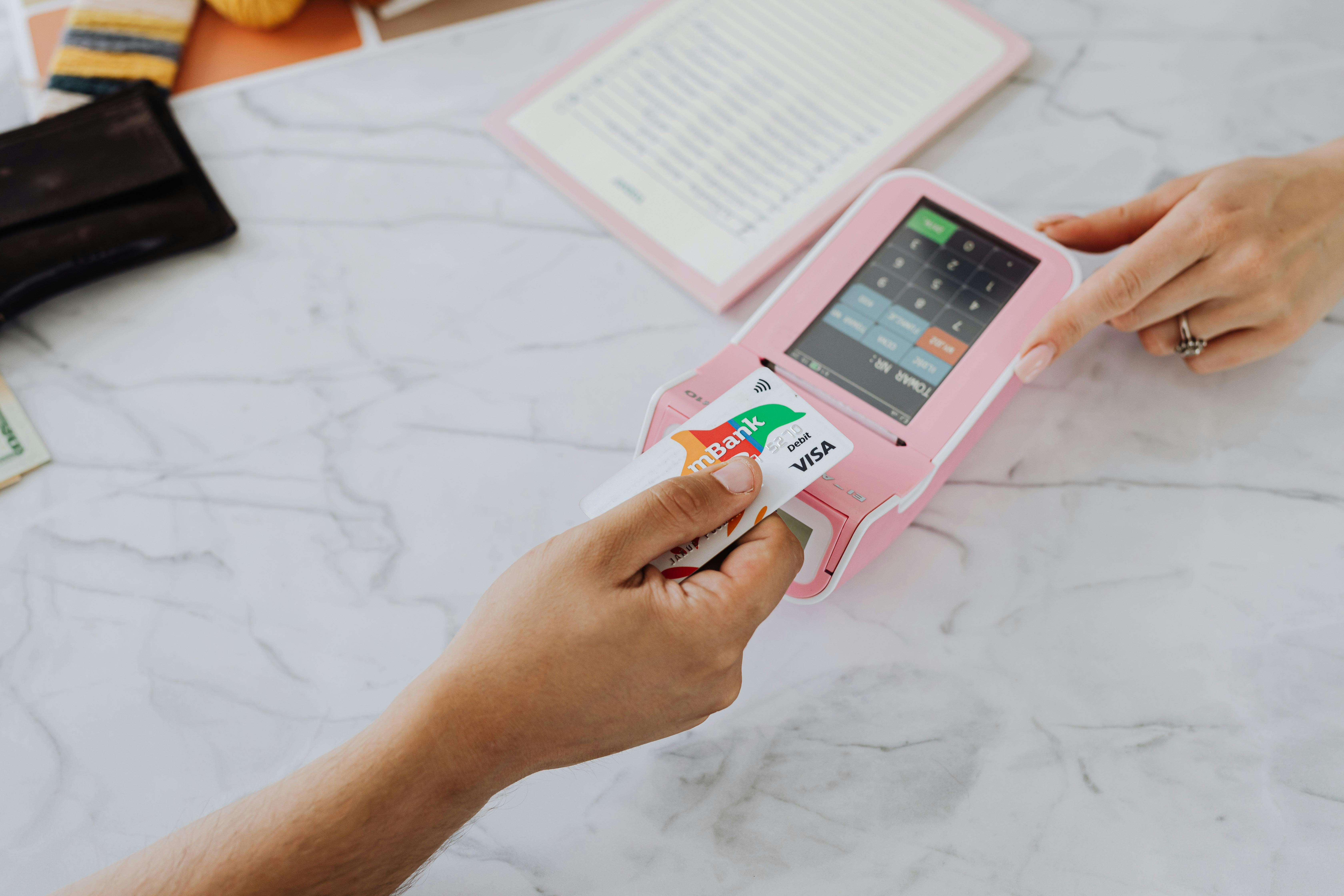
Wallet-native commerce changes expectations completely
The rise of creator businesses, remote work and internet-native commerce accelerated this transition.
Millions of businesses increasingly operate through:
social participation
digital communities
subscription ecosystems
cross-border ecommerce
mobile-first interaction
These businesses increasingly expect payment systems to feel:
continuous
mobile-native
globally accessible
identity-driven
Instead of relying entirely on:
banking coordinates
manual invoicing
layered settlement coordination
traditional payment forms
modern payment participation increasingly revolves around:
wallets
payment handles
payment links
direct interaction
The future of payments increasingly revolves around wallets interacting directly with other wallets.
SWIFT is still important — but expectations changed
SWIFT remains one of the most important parts of global financial infrastructure.
Large-scale banking and international trade still rely heavily on:
bank-to-bank coordination
international settlement messaging
institutional payment routing
But consumer expectations evolved dramatically.
Modern users increasingly expect payments to behave more like:
internet interaction
social participation
mobile communication
real-time connectivity
That expectation gap is one of the biggest forces driving the evolution of modern payment networks.

Why Spondula is building around wallet-native global participation
Spondula is being built around wallet-native global participation.
Instead of relying entirely on traditional banking coordinates and card-processing infrastructure, the network enables users and merchants to participate through:
S-Handles
wallet infrastructure
payment links
mobile-first interaction
internal wallet participation
The network’s payment layers include:
USD-S
EUR-S
GBP-S
GOLD-S
BTC-S rewards
The Spondula one-pager describes the network as payment infrastructure where users can send, receive and hold pegged payment balances with embedded wallet participation and Operator-supported infrastructure. :contentReference[oaicite:0]{index=0}
An S-Handle increasingly functions as:
a payment identity
a creator-facing payment layer
a portable business identity
a global participation layer
That aligns naturally with how internet-native commerce already operates today.
SWIFT connected the banking world. Modern payment networks increasingly focus on connecting people directly.
Creators, freelancers, online businesses and globally connected users are already reserving their S-Handles ahead of the Spondula launch.
Join the waitlist and reserve your S-Handle today.
Frequently asked questions
What is SWIFT?
SWIFT is a global financial messaging network used by banks and financial institutions to coordinate international payment instructions.
Why do international payments still rely on SWIFT?
SWIFT remains deeply integrated into global banking infrastructure and international settlement coordination.
What are modern payment networks?
Modern payment networks increasingly focus on mobile-first usability, wallet participation, instant settlement and simplified payment interaction.
Why are mobile wallets changing payment expectations?
Mobile wallets normalized real-time, smartphone-first and identity-based payment participation across global commerce.
What is an S-Handle?
An S-Handle is a portable payment identity linked to a Spondula wallet designed for wallet-first global payment participation.
Spondula is a global payments network. It is not a bank, exchange, investment platform, or broker. Availability, pricing, and Operator coverage vary by country. BTC-S rewards depend on real network activity and are not guaranteed. See our terms and conditions for full details.


Join the conversation.
0 comments · Be respectful, be specific, be useful.
Be the first to comment.