Guides

How businesses in Mexico accept payments from anywhere in the world

Spondula Team·5 min read·24 Apr 2026
A busy Saturday in Oaxaca, and a customer who cannot pay

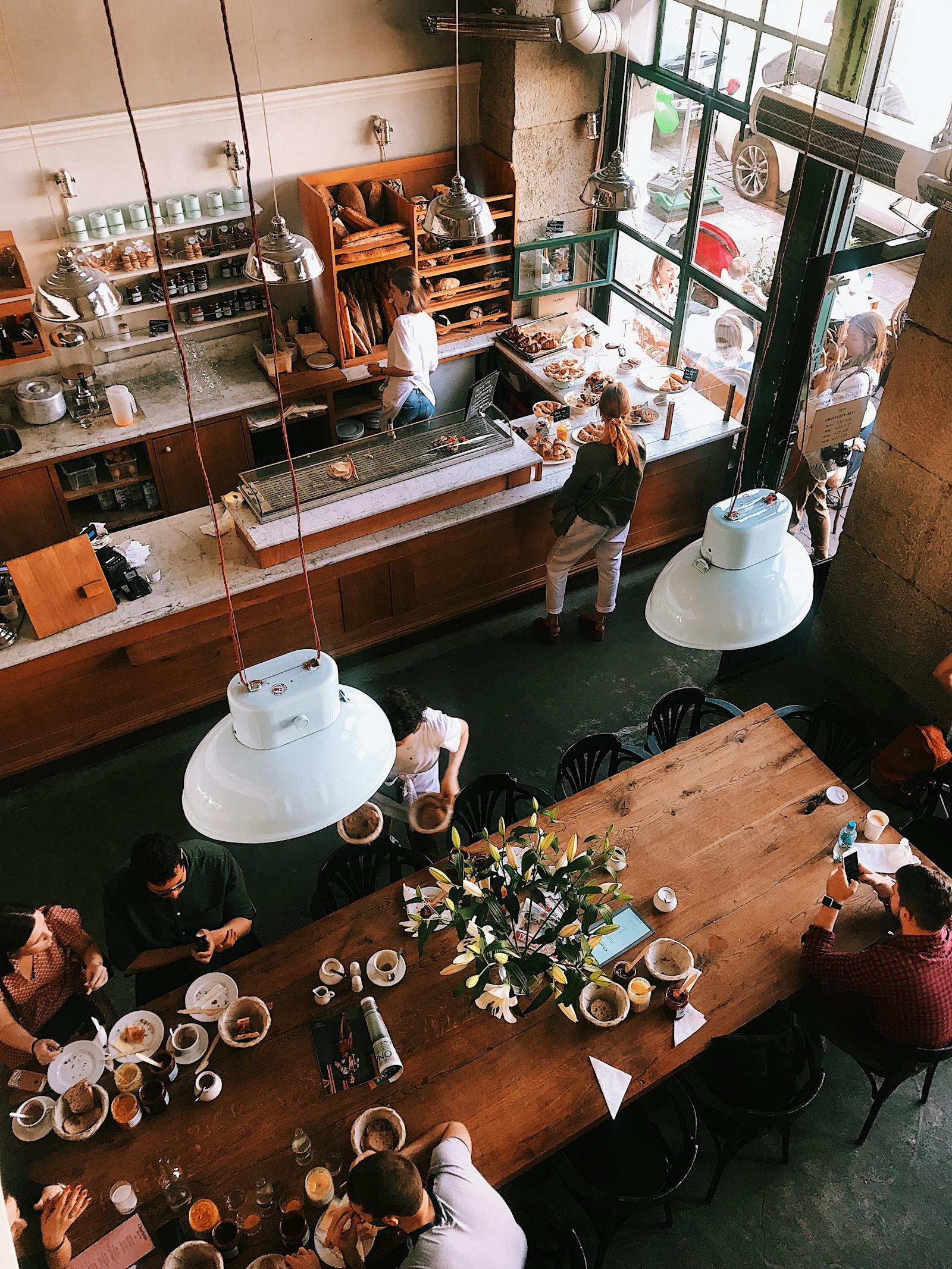
The market near Santo Domingo is full on a Saturday. A ceramics seller has spent the morning explaining the work — the glazes, the process, the region each piece comes from. A couple visiting from Chicago have picked out three pieces. They want to pay. They have US cards and a phone. The seller has a card reader that works for Mexican cards. The card reader declines the US Visa. The couple offer to find an ATM; by the time they return, the stall is closing for the afternoon.

That is not a story about a bad product or a difficult customer. It is a story about payment infrastructure that was built for a different era — one where the merchant and the customer were in the same country, on the same card network, using the same currency. The ceramics seller lost the sale. The couple left without the pieces. Neither of them did anything wrong.

Mexico receives more than 35 million international tourists a year (Secretaría de Turismo de México, 2024). A significant share of them want to spend money in local businesses that were not built to accept the payment methods those visitors carry. This article is about what it looks like when that gap closes — and what any Mexican business needs to set up to start accepting payments from customers anywhere in the world.

The problem is not the customer — it is the payment rails

A US tourist in Mexico City carries a card that works well at hotel chains and branded restaurants — merchants who have invested in international acquiring relationships. For a taquería in Condesa, a mezcal bar in Roma Norte, an artisan leather shop in San Miguel de Allende, or a day-trip operator in Puerto Vallarta, the calculus is different. International card acceptance requires an acquiring bank relationship, a terminal configured for foreign transactions, and a fee structure that makes every international sale marginally less profitable than it should be.

Wire transfers are worse. A client in Toronto who wants to pay a Mexican service provider by bank transfer is looking at one to five business days for the payment to arrive (industry analyses of SWIFT processing flows, 2026), a fee deducted somewhere in the correspondent chain, and an exchange rate neither party agreed to in advance. The money arrives different from what was sent and later than it was needed.

The merchants who feel this most are the ones serving an international customer base without the infrastructure of a hotel group: tour operators in Cancún, Playa del Carmen, and Los Cabos; artisan sellers in Oaxaca, Guanajuato, and San Cristóbal de las Casas; online businesses in Guadalajara and Monterrey selling to customers in the US, Canada, and Europe; experience businesses in Tulum and Puerto Escondido that take bookings by WhatsApp and invoice by email because no international payment system has been simple enough to set up and use at their scale.

Three ways to accept a payment on Spondula

Spondula is a global payments network. For a merchant, it provides three distinct payment surfaces — each suited to a different moment — that all settle to the same wallet instantly.

  • QR code payments. Every Spondula account generates a QR code. The merchant displays it at the point of sale — printed on a card, shown on a screen, or stuck to the till. The customer opens the app, scans, confirms the amount, and pays. Settlement is immediate.
  • Payment links. A payment link is generated from the wallet and sent wherever the invoice needs to go — a booking confirmation email, a WhatsApp message, an online checkout page, or an invoice PDF. The customer clicks, pays, and the merchant sees the balance land.
  • Shandle payments. Every Spondula user has an Shandle — a short identifier like Smercado — that any other network user can pay directly. For repeat customers and business relationships where both sides are already on the network, the handle is the fastest path.

All three settle instantly. All three land in the same wallet. The merchant does not manage separate accounts for different payment types or different customer origins — one wallet, every channel, every corridor.

QR payments at the point of sale — the fastest payment a tourist can make

The QR code is the payment surface that replaces the card terminal for international customers. A visitor from New York, Berlin, or Tokyo who has a Spondula wallet scans the merchant's code, sees the amount, confirms, and pays. The balance arrives in the merchant's wallet in seconds — before the customer has pocketed their phone.

For a mezcal bar in Oaxaca, the QR code sits beside the till and handles every Spondula customer without a card machine or an acquiring relationship. For a ceramics stall at a market in Tlaquepaque, it is a printed card that moves with the stall. For a surf instructor in Sayulita charging per session, it is a QR on their phone shown to the client at the end of the lesson. For a food market vendor in Mexico City who serves visitors from a dozen countries every weekend, it is the same code for every one of them.
Merchant displaying a QR code at a point of sale counter

The payment does not require the merchant to know which currency the customer holds. The customer pays from their balance on the network. The merchant receives the settled amount in the wallet. If a currency conversion is needed — for example, a US customer paying and the merchant holding a different currency — the conversion happens at a flat 0.2% spread, shown before confirmation, with nothing added afterwards.

QR payments also cover domestic customers. A Mexican customer with a Spondula wallet pays the same code as the tourist from Chicago or the visitor from São Paulo. The merchant does not maintain two systems — one for local customers, one for international. The QR handles both.

Payment links for bookings, invoices, and online sales

A payment link is the QR code's counterpart for sales that do not happen in person. A tour operator in Los Cabos sends a payment link in a booking confirmation to a client in Houston. A graphic design studio in Guadalajara invoices a client in Toronto with a link on the invoice. An online shop in Monterrey selling handmade goods to customers in Germany puts a payment link at checkout. The client clicks, pays, and the merchant's wallet reflects the settled balance within seconds of the transaction.

For bookings and reservations — the dominant payment moment for tour operators, boutique hotels, cooking classes, and experience businesses — the payment link also functions as a confirmation mechanism. A client who pays confirms the booking in the same action. The merchant sees the balance land and marks the reservation confirmed. No card hold to manage. No deposit form to chase. No dispute window from a charged-but-not-yet-earned card transaction sitting open for weeks.

For online businesses selling internationally, a payment link is also a low-friction alternative to a full checkout integration. A merchant who does not want to build or maintain a custom payment page adds a Spondula link to a product description, a booking enquiry response, or a contact page — and international customers who use Spondula pay directly. The link works on any device, in any country the network supports, without the merchant having to manage a currency selector or a FX conversion at checkout on the customer's behalf.

Bank wires averaged 9.50% on a $200 international send in Q1 2025, while digital providers averaged 3.65%. Spondula's exchange spread is a flat 0.2% — one rate, shown before the transaction is confirmed, with no adjustment after.

— World Bank, Remittance Prices Worldwide Issue 53, Q1 2025; Spondula exchange rate, 2026

Bar chart: bank wire 9.5%, digital provider 3.65%, Spondula 0.2% — World Bank RPW Q1 2025

Instant settlement into a multi-currency wallet

Every payment on Spondula settles instantly into the merchant's wallet — not pending, not held for a clearing window, not available next business day. Immediately available to hold, convert, or send from the moment the customer confirms.

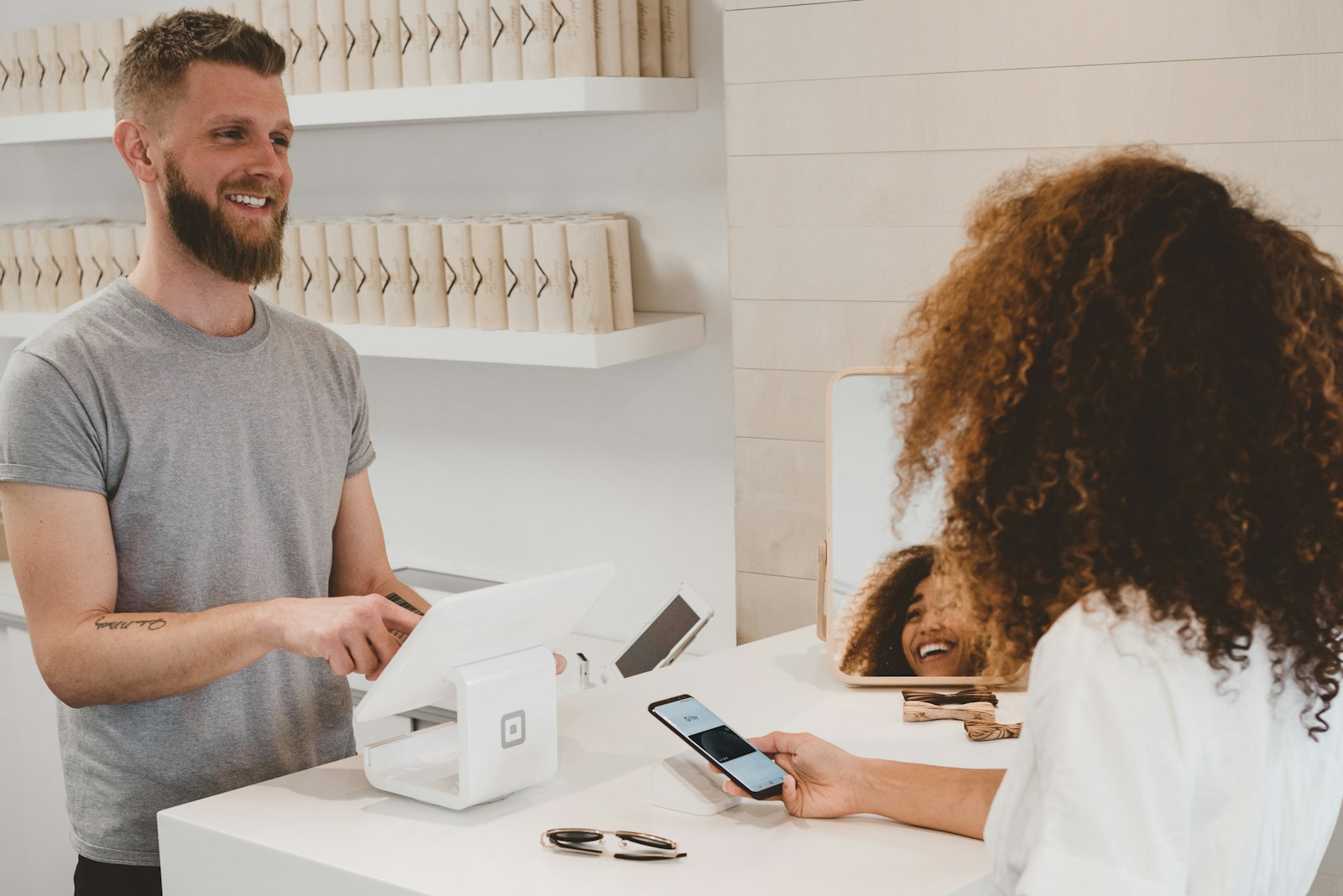
For a business that operates on daily cash flow — a food market vendor in Mexico City, a day-trip operator in Guanajuato, a ceramics seller who restocks materials weekly — same-day settlement is not a preference. It is the difference between a payment that is usable today and one that is usable on Thursday.

The wallet holds multiple currencies simultaneously. A tour operator in Cancún serving customers from the US, Canada, Germany, and Japan holds USD-S, CAD-S, EUR-S, and JPY-S in the same wallet without managing separate accounts for each. An online retailer in Monterrey selling primarily to US customers holds USD-S as a working balance and converts to other currencies when needed. A boutique hotel in San Miguel de Allende receiving payments from guests across Europe holds EUR-S, GBP-S, and USD-S in parallel.

Each conversion between currencies costs a flat 0.2% spread — the same rate regardless of the currency pair, shown before the swap is confirmed, with no additional adjustment after. For businesses that also have international suppliers or contractors, the same wallet handles outbound payments. A craft producer in Oaxaca paying a European equipment supplier, a tech studio in Guadalajara paying a developer in Buenos Aires, a hospitality business in Tulum paying a booking partner in the US — all of it from the same wallet, on the same network.

The corridors Mexican businesses already work across

Mexico's position — a top-ten global economy, a shared land border with the United States, one of the world's largest tourist destinations — means its businesses already operate on international payment corridors whether they have the infrastructure for it or not.

Mexico ↔ United States. The dominant corridor in both directions. A business in Mexico City selling to US online customers, a tour operator in Puerto Vallarta taking bookings from clients in Dallas and Chicago, a freelance consultant in Guadalajara billing a startup in San Francisco — every relationship on this corridor currently navigates payment infrastructure that was not built for it. The same corridor runs in the other direction: US tourists spending in Mexican markets, restaurants, galleries, and experience businesses who deserve a payment surface that matches their phone.

Mexico ↔ Canada. Canadian tourists are among the largest groups visiting Cancún, Playa del Carmen, and Los Cabos. A resort-adjacent business — a dive operator, a cooking school, a rental service — serving Canadian clients holds CAD-S alongside USD-S in the same wallet. Canadian businesses buying from Mexican suppliers and freelancers run on the same network.

Mexico ↔ Europe. German, French, Spanish, Dutch, and British tourists and trade partners represent a meaningful share of international payment volume for Mexican businesses. An artisan exporter in San Miguel de Allende selling to boutiques in Madrid, Amsterdam, or Berlin invoices in EUR-S and receives the balance the same afternoon the client pays. A software studio in Guadalajara billing a Munich client sees the same result.

Mexico ↔ Latin America. Cross-border business between Mexico and Colombia, Brazil, Argentina, Chile, and Peru runs on correspondent-bank infrastructure that prices in the delays. A payment from Mexico City to Bogotá or São Paulo on the Spondula network settles as quickly as a domestic transfer — the geography of the destination does not change the speed or the cost.

Mexico ↔ Japan, South Korea, Australia. Smaller corridors for exports, tourism, and remote business relationships — but growing. A specialty food exporter in Oaxaca selling to a Tokyo importer, a hospitality business in Los Cabos serving Australian guests, a tech firm in Monterrey with a Seoul partner — each relationship currently requires a wire that takes days. The payment link changes that to minutes.

Mexico ↔ UAE, Saudi Arabia, Qatar. Gulf-based Mexican professionals and businesses, and Mexican companies with Middle Eastern clients, operate across a corridor where SWIFT wires are the only current option. The Spondula network reaches both sides.

For every kind of business that serves international customers

The three payment surfaces — QR at the till, payment link on the invoice, Shandle in the contact — cover every payment moment a Mexican business with international customers currently faces. The businesses where the impact is most immediate:

  • Restaurants, cafés, and food businesses in tourist destinations — Mexico City, Oaxaca, Tulum, San Miguel de Allende, Mérida, Guadalajara — that serve international visitors daily but are limited to local card acceptance or cash for those customers.
  • Tour operators, experience businesses, and guides in Cancún, Puerto Vallarta, Los Cabos, Guanajuato, and Chiapas that take international bookings and need a payment link that works for a client in Toronto, London, or Frankfurt without a wire transfer form.
  • Artisan sellers, craft producers, and independent retailers at markets and shops in Oaxaca, Taxco, Puebla, Tonalá, and Jalisco who sell to tourists in person and ship internationally to buyers in the US, Canada, and Europe.
  • Online retailers and e-commerce businesses in Monterrey, Guadalajara, and Mexico City selling handmade goods, specialty food, or digital products to customers abroad who currently have no clean way to pay without a card or a wire.
  • Boutique hotels, guesthouses, and vacation rentals in Tulum, Oaxaca, San Miguel de Allende, and the Riviera Maya serving international guests who want to settle in their own currency without an FX conversion on top of the room rate.
  • Professional service firms — architects, designers, consultants, developers, lawyers — in Mexico City and Monterrey working with international clients on project or retainer fees where the wire transfer delay and correspondent-chain cost is a recurring operational friction.
  • Importers and exporters buying from or selling to suppliers in the US, Europe, and Asia who currently manage the SWIFT window and the exchange rate uncertainty as a cost of doing business internationally.

The practical test for any business on this list: if your last international payment took more than a day to arrive or cost more than half a percent to process, the infrastructure the traditional system offers is not the infrastructure your business deserves.

Faster to set up than a card terminal

There is no terminal to order, no acquiring relationship to apply for, no monthly minimum to maintain. A Spondula business wallet generates a QR code and a payment link on the same day as signup — ready to share before the afternoon's first customer arrives.

The onboarding is designed for businesses that operate across borders, not for businesses that fit neatly into the default merchant category the traditional processor was built for. A ceramics seller in Oaxaca serving an international market is not an edge case on the Spondula network. A tour operator in Los Cabos taking bookings from ten countries is not a specialist case. These are the businesses the network is designed for — and the payment surfaces reflect that from day one.

Frequently asked questions

How does a business in Mexico start accepting international payments on Spondula?

Sign up for a Spondula business wallet and claim your Shandle — a short identifier that becomes your payment address on the network. From the wallet, generate your QR code for point-of-sale payments and your first payment link for online or remote sales. Both are ready the same day. Share your payment link in booking confirmations, invoices, or on your website; display the QR at your till or on a printed card. Payments settle to your wallet instantly.

Can a Mexican business accept US dollars, Canadian dollars, euros, and other currencies?

Yes. A Spondula wallet holds multiple currencies simultaneously — USD-S, CAD-S, EUR-S, GBP-S, JPY-S, and more — in a single wallet. Customers pay in whichever currency they hold on the network. Your wallet reflects the settled balance in the currency received. Converting between currencies costs a flat 0.2% spread, shown before you confirm the swap.

What does it cost a Mexican business to accept an international payment via Spondula?

Receiving a payment is free. If you convert between currencies in the wallet, the cost is a flat 0.2% spread — shown before you confirm. There is no monthly terminal fee, no acquiring bank charge, no cross-border surcharge, and no FX markup built into the exchange rate. A USD 500 payment from a US customer costs USD 1 to convert to another currency if needed. A USD 100 payment costs 20 cents.

How quickly does a payment settle to the merchant's wallet?

Instantly. A QR code payment, a payment link, or a direct Shandle send all settle to the merchant's wallet in seconds. There is no clearing window, no pending period, and no next-business-day deposit schedule. A payment made at the point of sale on a Friday afternoon is in the wallet on Friday afternoon — not Monday morning.

Does the customer need a Spondula account to pay?

Yes — during the pre-launch period, both the merchant and the customer need a Spondula wallet to transact. When the network opens for general access, customers in any supported country can sign up and pay. For businesses with an international customer base, the invitation flow is built in — a payment link that prompts the customer to set up a wallet before paying handles new users without a separate onboarding step from the merchant's side.

Can I use Spondula for online sales as well as in-person payments?

Yes. The same Spondula account gives you three payment surfaces at once: the QR code for in-person payments at the point of sale, the payment link for online checkouts, invoices, and booking confirmations, and the Shandle for direct wallet-to-wallet payments from customers already on the network. All three settle to the same wallet — there is no separate setup for each channel and no separate reconciliation at the end of the day.

Is Spondula available for businesses in cities across Mexico or only in certain areas?

Spondula is a network-based product — the wallet and payment surfaces work wherever the merchant has a phone or a browser. A ceramics seller in Oaxaca, a tour operator in Puerto Vallarta, an online retailer in Monterrey, a boutique hotel in San Miguel de Allende, and a software studio in Guadalajara all use the same wallet and the same payment tools. Operator coverage for cash in and out varies by region; check network availability for your area at launch.

How does Spondula handle refunds?

Spondula is a payments network, not a dispute-management system. Refunds are managed between merchant and customer on the terms both parties agree to — the merchant returns the relevant amount from their wallet to the customer's Shandle or payment address. There is no card-network chargeback mechanism, which means no chargeback fees and no dispute windows initiated by a card network without the merchant's knowledge or involvement.

Can a Mexican business also use Spondula to pay international suppliers?

Yes. The same wallet that receives payments from international customers sends payments to international suppliers, contractors, and partners. A craft producer in Oaxaca paying a European equipment supplier, a studio in Guadalajara paying a developer in Buenos Aires, a tour operator settling a commission to a partner in the US — all of it from the same wallet, at the same 0.2% spread, settling in seconds on the same network.

Spondula is looking for its first business launch partners — the merchants, operators, and founders who shape what the network becomes in its opening months. If your business already serves international customers, or is trying to reach them without building a payments operation from scratch, the door is open and the conversation is short.


Spondula is a global payments network. It is not a bank, exchange, investment platform, or broker. Availability, pricing, and Operator coverage vary by country. Bitcoin rewards depend on real network activity and are not guaranteed. See our terms and conditions for full details.

More in Guides