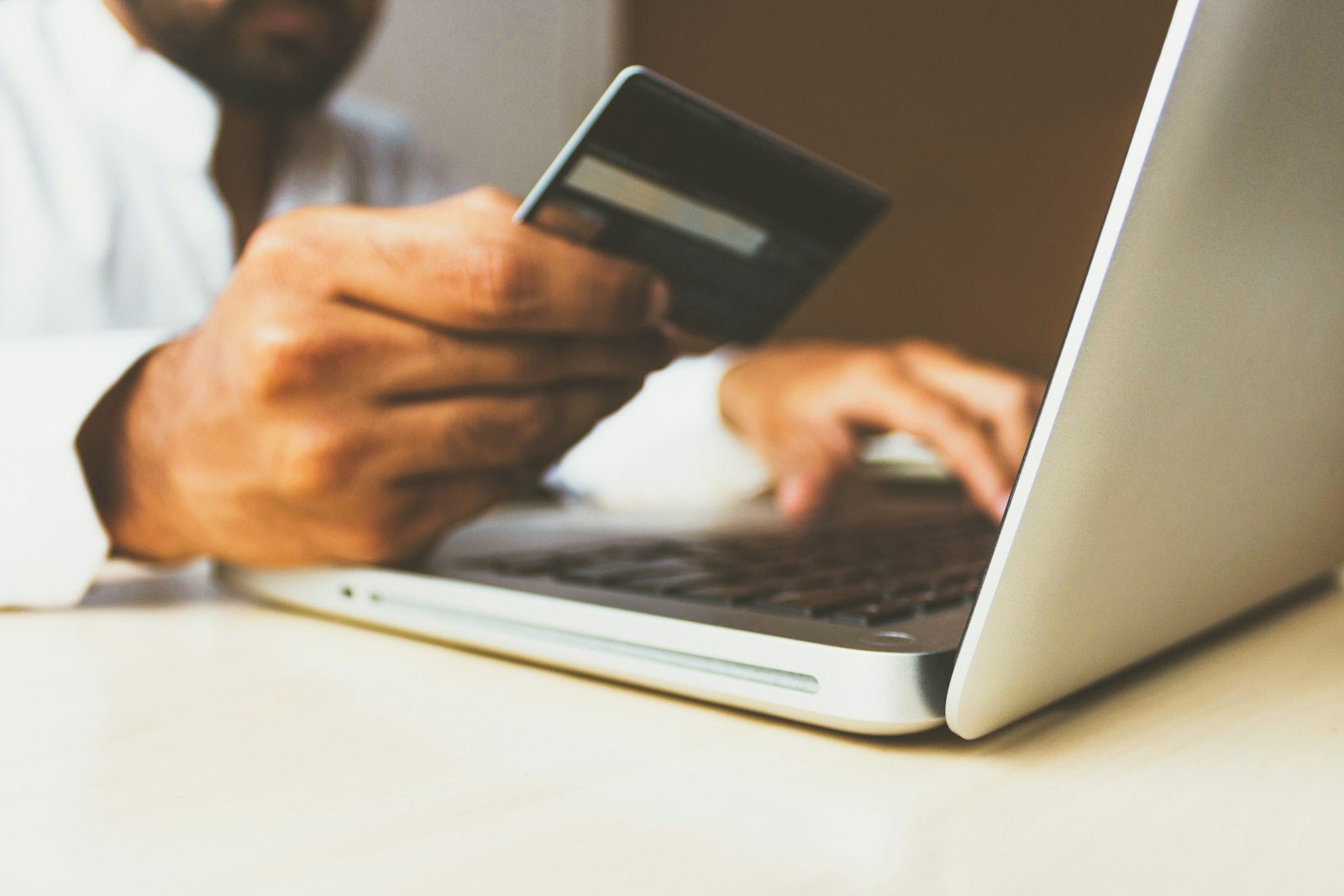
A payment can travel from a wallet in London to a wallet in Lagos in seconds. That part of the journey is digital — instant, borderless, peer-to-peer. But money does not stay digital forever. Rent is paid in cash. Groceries at the market are cash. The transport fare, the school supplies, the household budget for the week — in many of the places Spondula is built to serve, the physical economy is still partly or mostly cash.
The bridge between the global digital network and the local physical economy is the Spondula Partner Location. It is not a bank branch. It is not a Western Union agent. It is a Local Operator — a shop, a kiosk, a local business — running an access point in a neighbourhood where users can interact with the network face-to-face. Top up your wallet with cash. Convert your wallet balance to local currency. Meet the network where you live, rather than having to travel to it.
The M-Pesa model demonstrated at scale what a dense agent network makes possible: by the end of FY2024-25, Safaricom's M-Pesa had approximately 298,890 agents in Kenya alone (Safaricom PLC Annual Report, 2025), and those agents turned a digital wallet into a trusted everyday tool for tens of millions of people. The Spondula Partner Location network is the same structural idea — local presence that makes global access real.
What you can do at a Partner Location
Two things happen at a Spondula Partner Location: topping up and cashing out.
Topping up is for users who want to add value to their Spondula wallet in cash. A user without a card or a bank account — or one who simply prefers to use cash — walks into the Partner Location near them, hands over the local currency equivalent of what they want to load, and the corresponding token is added to their wallet. The balance is available immediately. From that balance, they can send to any Shandle on the network, anywhere in the world, in seconds.
Cashing out is for users who want to convert their wallet balance to physical local currency. A family member who has received a remittance in GBP-S or USD-S goes to the nearest Partner Location, requests a conversion, and receives the local currency equivalent in cash. No bank account needed. No branch visit. No withdrawal limit imposed by a financial institution that requires a formal account relationship to serve you.
Both directions — cash in and cash out — are handled by the Local Operator running the access point. They are the human face of the network at street level, and the reason the global payment that arrived in a digital wallet can become the cash in someone's hand by the time they have walked home from the shop.
Who uses a Partner Location and why
There are approximately 1.3 billion adults worldwide without a formal financial account (World Bank, Global Findex Database, 2025). Roughly 900 million of them own a mobile phone. The phone is already there. The formal account is not. For this group, the Partner Location is the on-ramp and off-ramp: the place where cash enters the global network and where the global network returns cash to the local economy.
But the Partner Location is not only for the unbanked. It is for anyone who operates partly in cash — because the market they shop at is cash-only, because the landlord they pay prefers cash, because the week has run ahead of the digital balance and they need to top up quickly. It is for the migrant worker who has just arrived in a new country and needs to load a wallet before the card is set up. It is for the family in a smaller town where the nearest traditional financial access point is a long journey away.
The Partner Location is the network's answer to the last-mile problem: the gap between global digital infrastructure and local physical reality that every network has to solve to be genuinely useful.
What a Partner Location looks like
Partner Locations are run by Local Operators — independent businesses or individuals who have joined the Spondula network as access-point providers. They are typically existing businesses: a mobile-credit shop, a pharmacy, a general store, a market kiosk, a trusted local business that already has consistent foot traffic from the community it serves.
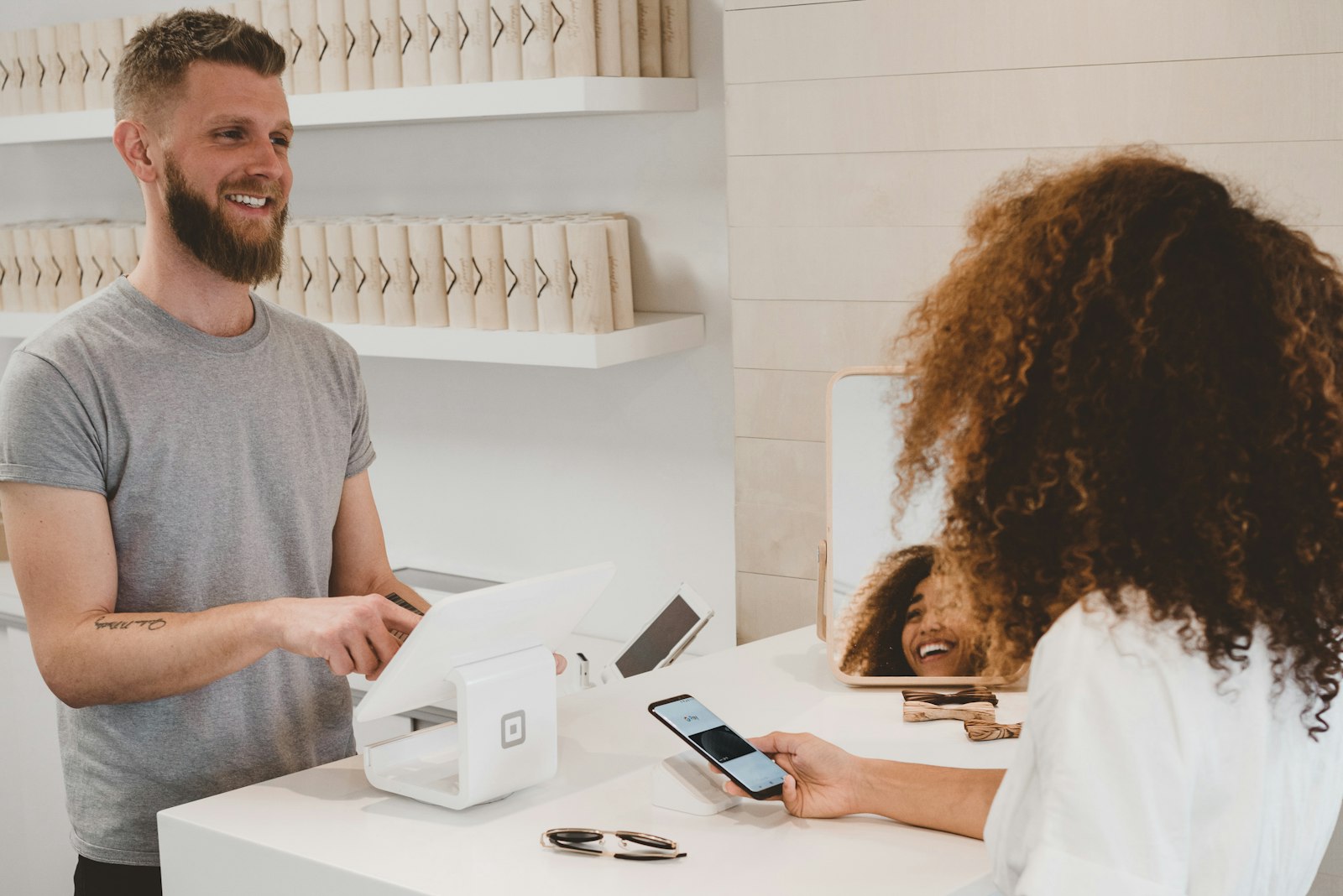
The Partner Location is signposted — identifiable from the street as a place where Spondula services are available. Inside, the transaction is simple: the user shows their wallet, the Operator confirms the amount, the cash changes hands, and the wallet balance updates. The whole process takes the same amount of time as buying something at a till.
A Local Operator earns on each transaction they facilitate — a margin on the cash-in and cash-out activity that flows through their access point. The more users in their area, the more consistent that flow. The Partner Location is a business opportunity for the Operator and a physical anchor for the users around them.
Finding one near you
Partner Location coverage is being built alongside the Spondula Operator network as the platform opens in each market. The density of Partner Locations in a given area reflects the number of Local Operators who have joined the network there — and that density grows as adoption grows. Early users in high-priority corridors are among the first to have Partner Locations near them as the network opens.
The global network is only as useful as its last mile. The Partner Location near you is where the money that arrived from London, Dubai, or New York becomes the cash you need for the week. That is the connection the network is built to provide — not just between continents, but between the digital balance and the corner of the street where you actually live.
Spondula is pre-launch. If you want to use a Partner Location — or if you are a business owner or local entrepreneur interested in running one — the waitlist and Operators page are where the conversation begins. The network is built from the street up as well as from the app down.
Frequently asked questions
Do I need a bank account to use a Partner Location?
No. A Spondula wallet and an Shandle are all you need. Partner Locations are specifically designed to serve users without a formal bank account — cash in, wallet balance out, and vice versa — with no bank account required at any point in the transaction.
How much does it cost to top up or cash out at a Partner Location?
The exchange spread on token conversions is a flat 0.2%, applied once and shown before the transaction is confirmed. Local Operators may apply their own transaction terms within the network's framework; these are displayed at the point of service. There are no hidden charges added after the fact.
Can I use a Partner Location in a different country from where I signed up?
Yes. Your Spondula wallet is global, and any Partner Location on the network — in any country where the network operates — can serve you. Whether you top up at a Partner Location in Nairobi and cash out in Lagos, or top up in London and cash out in Accra, the wallet balance is the same and the access point works the same way.
I own a local shop — can I become a Partner Location?
Yes. Local Operator applications are open via the Spondula Operators page. A Partner Location is a revenue-generating opportunity: the Operator earns on each transaction they facilitate, and a well-placed business in a community with consistent remittance receiving or sending activity sees repeatable, predictable volume. The application is the place to start the conversation.
Spondula is a global payments network. It is not a bank, exchange, investment platform, or broker. Availability, pricing, and Operator coverage vary by country. Bitcoin rewards depend on real network activity and are not guaranteed. See our terms and conditions for full details.