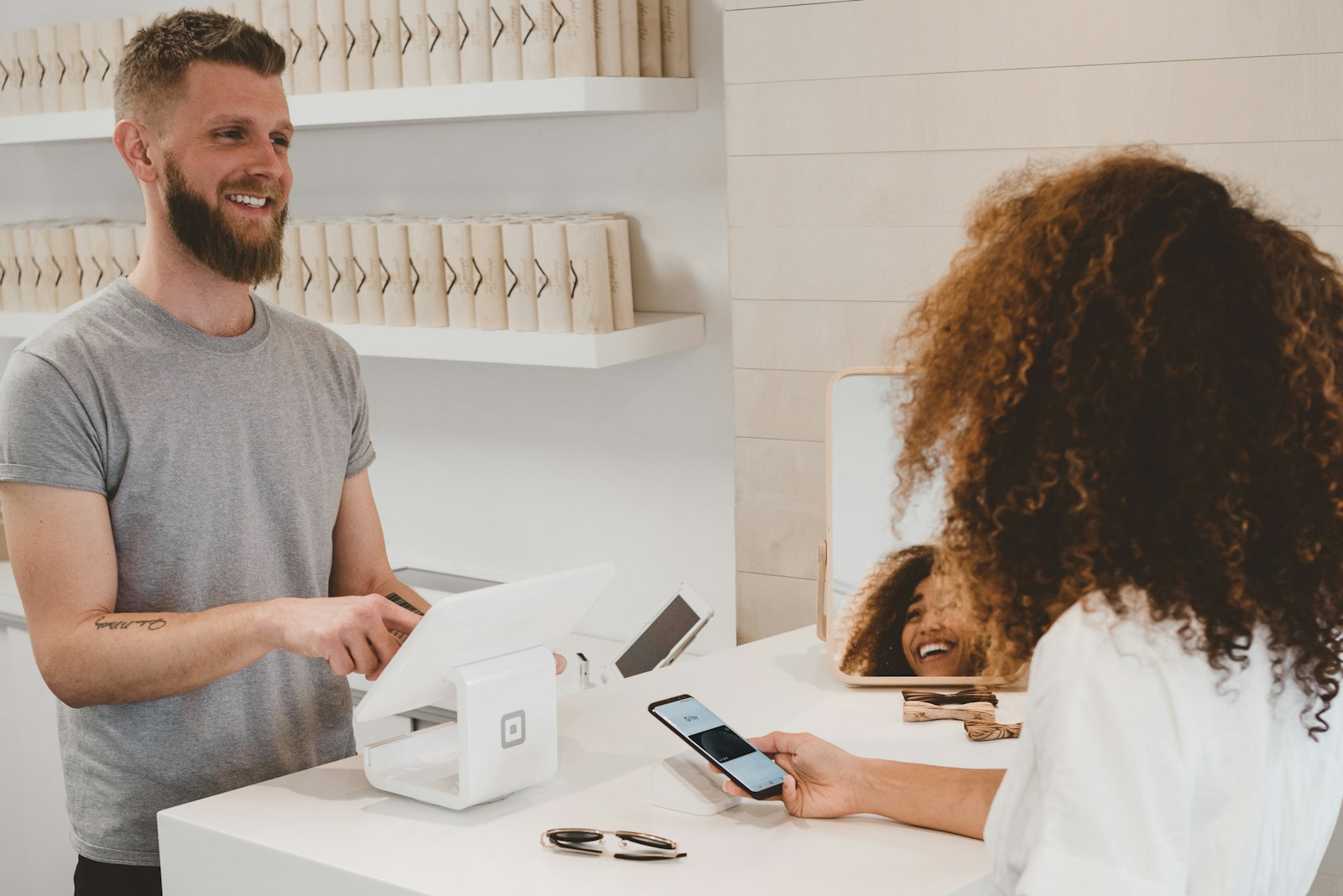
Amara moved from Lagos to London in March. She had a job lined up, a flat sorted, and three weeks of waiting before her UK bank account opened. During those three weeks she borrowed from a colleague, paid international fees to access her Nigerian account from abroad, and started her financial life in a new country from scratch — the same way anyone who has ever moved has had to do it.
A bank account is a country-specific object. It comes with an IBAN or a sort code that only works in one jurisdiction, is issued by an institution that operates in one market, and stops functioning the moment you cross a border in any meaningful way. When you move countries, you don't transfer your account. You abandon it and start again. Spondula doesn't work like that.
What a stateless wallet actually means
A stateless wallet has no country of origin. It exists on a network rather than inside a national banking system, which means it goes wherever you have a phone and a signal — from Lagos to London, from Manila to Madrid, from Nairobi to New York. When Amara opens the Spondula app in London, she sees the same wallet she had in Lagos. Same balance. Same Shandle. Same contacts. No re-onboarding, no waiting period, no three-week gap before she can send or receive money.
The wallet recognises her by her identity on the network — her Shandle — not by a branch code issued by a bank that has never heard of the country she just moved to. That is a structural difference, not a marginal convenience improvement.
The Shandle as portable identity
The problem with country-specific accounts is not just the admin burden of opening new ones. It is that every time you move, you become a new financial person to everyone who was paying you. Your family in Lagos has your Nigerian account number. Your employer in London has a UK sort code. Your freelance clients have a third set of digits. Every move generates a round of "please update my payment details" emails that most people send, some people forget, and the rest get wrong.
An Shandle ends that cycle. It is the same — Samara, Sandres, Spriya — whether you are sending from Lagos or receiving in London, working in Berlin or living in Lisbon. You share it once, and the network resolves it to wherever you currently are. If you move countries, your handle does not change. If you change your underlying account or wallet infrastructure, your handle does not change. The identifier is stable even when everything around it shifts.
There is also a safety dimension worth naming. Traditional account numbers are load-bearing secrets — a UK sort code and account number together are enough for a bad actor to cause real harm. An Shandle is a name, not an account number. Sharing it exposes nothing about the underlying account, which means the identifier you hand out most often is the one that reveals the least.
What you hold travels with you
Your balance on Spondula is held in network tokens — GBP-S, USD-S, EUR-S — not in a bank account that belongs to a specific country. If you move from the UK to Germany, your GBP-S balance does not stay locked in a UK account. It travels in your wallet. You can hold multiple tokens at once, which means someone who earns in sterling and spends in euros does not need to open a EUR account in Germany — they can hold both in the same wallet, the same place, accessible the same way.
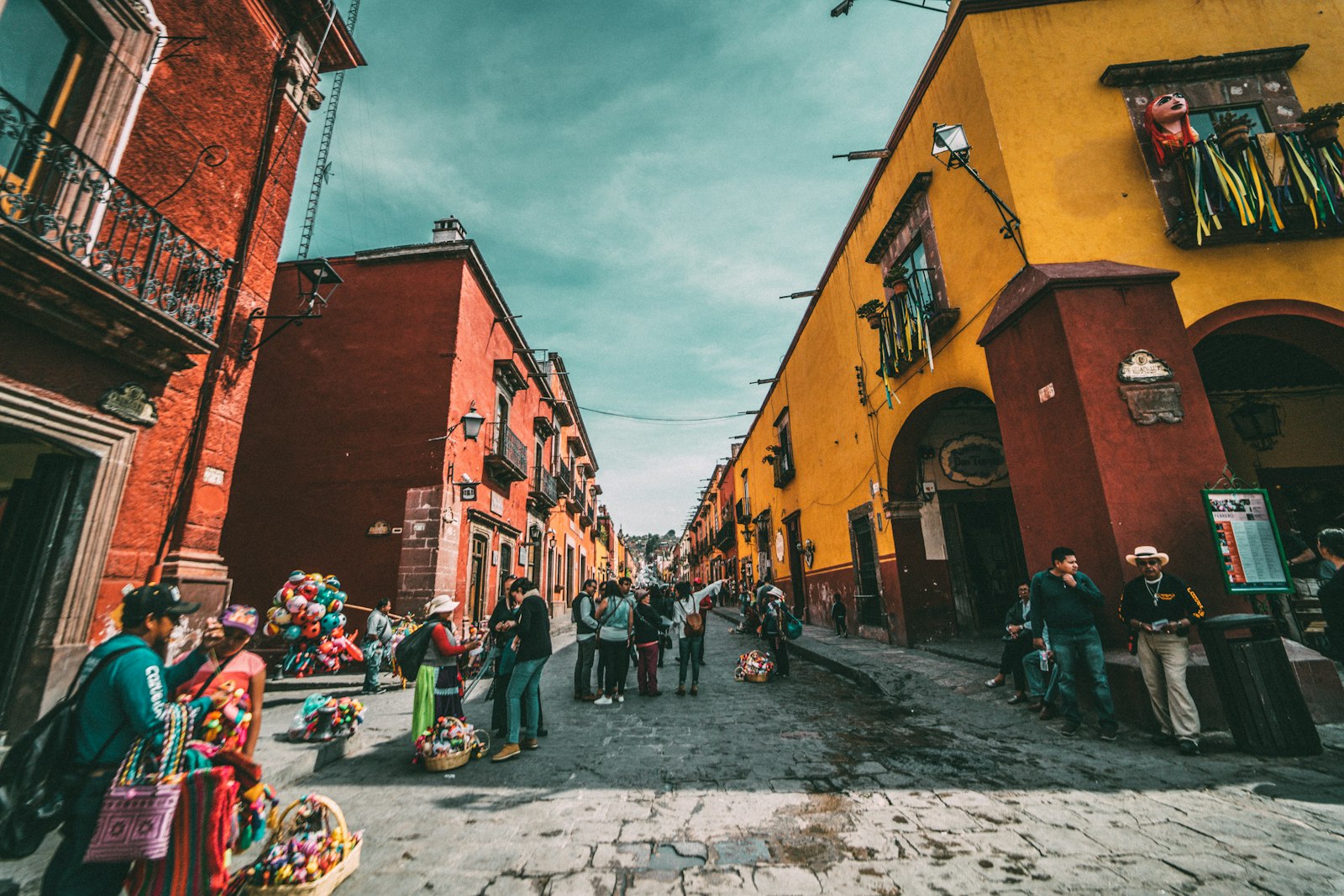
That multi-currency flexibility is not a premium feature or an upgrade tier. It is how the wallet works by default, because a global money network has to hold multiple currencies to function as a single home for a person who lives across borders.
Above the everyday tokens, the wallet also holds GOLD-S — a stable store of value for the portion of a balance that does not need to move — and BTC-S, earned through real network activity as people send and refer others on the network. The three layers sit in a single wallet, visible together, each doing its own job.
The network wherever you land
A stateless wallet still meets a local economy at the other end. When a recipient in Lagos needs cash rather than a digital balance, Local Operators handle the last-mile step: businesses in their area that hold Spondula network value and convert it into the money people use on the ground. As more Local Operators join the network in each territory, the coverage extends — and the wallet becomes more useful not just for the person moving countries, but for everyone they are sending money to.
Regional Operators sit at the country level above the Local tier, managing the flow between the Spondula network and the local economy at scale. Together, the two tiers are how "the wallet works wherever you are" becomes true in practice, not just in principle.
The passport and the wallet
A passport is stateless — it crosses every border and identifies you as the same person in every country. Your bank account is the opposite: it is issued in one country, valid in one country, and left behind when you leave. The Spondula wallet is closer to the passport model than the bank-account model.
Your Shandle is your identity on the network. Your balance travels in your wallet. The Operator tier handles the local currency layer wherever you land. The only thing that changes when you move is the country around you — not the wallet in your pocket.
That is what a global money network means in practice. Not a feature list — a different assumption about where a wallet begins and ends.
A global money network is not a remittance service with extra steps. It is infrastructure built on the assumption that money should follow a person, not stay behind when they move.
— Spondula, built for how money actually moves
Spondula is still pre-launch, and early users on the waitlist are shaping what it becomes. If you have ever moved countries and spent weeks restarting your financial life from scratch, the waitlist is worth a look.
Frequently asked questions
Does my S-handle change if I move to a different country?
No. Your Shandle is attached to your Spondula account, not to a country or a bank. It stays the same whether you move cities, countries, or continents. Anyone who has your Shandle can still pay you after you move — you do not need to send a "please update my payment details" message.
Can I hold multiple currencies in the same wallet?
Yes. The Spondula wallet holds GBP-S, USD-S, and EUR-S as everyday money tokens, alongside GOLD-S for stable value storage and BTC-S earned through network activity. You can hold all of them at once, in any combination, in a single wallet. You do not need separate accounts for separate currencies.
What happens to my balance if I move abroad?
Your balance travels with you. Network tokens are not held in a country-specific bank account — they are in your Spondula wallet, which goes wherever you go. If you move from the UK to Germany, your GBP-S balance is still in your wallet and accessible the same way it was before you moved.
Do I need a local bank account in the country I move to?
Spondula does not require a bank account at either end. You can fund your wallet, send and receive money, and cash out through Local Operators without a local bank account. Whether having a local account is useful for other parts of your life is a separate question — but for payments on the Spondula network, it is not a requirement.
What is a Local Operator and how do they help when I am abroad?
Local Operators are businesses in a specific area — a shop, a kiosk, a trusted local business — that hold Spondula network value and convert it into local cash or local payment forms on request. They are the on-the-ground layer that makes the network real for anyone who needs cash rather than a digital balance, whether that person is a recipient in Lagos or a newly arrived worker in London.
Spondula is a global payments network. It is not a bank, exchange, investment platform, or broker. Availability, pricing, and Operator coverage vary by country. Bitcoin rewards depend on real network activity and are not guaranteed. See our terms and conditions for full details.