
Guides

Why your international card decline rate is killing your conversion

Spondula Team·5 min read·26 Apr 2026

The 23% you didn't know you were losing

A SaaS business reviews its checkout funnel. Conversion from "click pay" to "payment confirmed" is 78%. The team assumes the missing 22% is normal abandonment — second thoughts, distractions, billing-detail mismatches the customer cannot resolve in the moment. They optimise the checkout UI to recover what they can.

What the team does not see is that a meaningful share of those non-conversions are not abandonment at all. They are card declines. The customer attempted to pay, the card was rejected by the issuing bank, and the customer left the checkout because the friction of trying again with a different card was higher than the value of completing the purchase in that moment. The merchant has no visibility into how many of those "abandoned" sessions were declined and how many were genuine drop-offs. The two look identical in the funnel.

For a business with international customers, the issue is sharper. Domestic card transactions decline at roughly 5% on average. Cross-border card transactions decline at 10-30% depending on issuer, country, and transaction context. The merchant's checkout conversion is being suppressed by infrastructure-level rejection that has nothing to do with the customer's intent to buy.

Why cross-border card transactions fail more

Three structural factors drive elevated decline rates on international card transactions.

The first is fraud filtering at the issuing bank. Issuing banks run risk models on every transaction and decline anything that scores above a threshold. Cross-border transactions score higher on those models almost by default — the cardholder is in country A, the merchant is registered in country B, the IP address may not match the billing address, the transaction time may be unusual for the cardholder's pattern. A purchase that is entirely legitimate gets blocked because it looks atypical.

The second is BIN-level merchant blocks. Some issuing banks block specific merchant categories or specific country pairs entirely. A US bank may decline transactions to merchants registered in jurisdictions on its internal risk list. A European bank may decline transactions to certain industry codes. The merchant has no way to detect or appeal these blocks.

The third is currency and processor mismatch. A card issued in EUR being charged in USD by a UK-registered processor adds three layers of currency conversion and three layers of network handoff. Each layer adds latency, fee, and another opportunity for the issuing bank's risk model to reject.

What false declines actually cost a merchant

The cost of a false decline is not the value of the transaction. It is the value of the customer relationship that did not start. A customer who attempts to pay and is declined often does not return — they go to a competitor, they assume the merchant has a problem, they lose interest in the moment of friction. Industry estimates put the annual global cost of false declines in the hundreds of billions of dollars in lost merchant revenue (LexisNexis Risk Solutions, 2024).

Most merchants do not measure this directly because the data is not in their dashboards. The card processor reports "decline rate" but does not distinguish between fraudulent declines (which the merchant should celebrate) and false declines (which the merchant should mourn). The merchant's analytics show "checkout abandonment" without separating intentional drop-off from infrastructure-level rejection. The lost revenue is real but invisible.
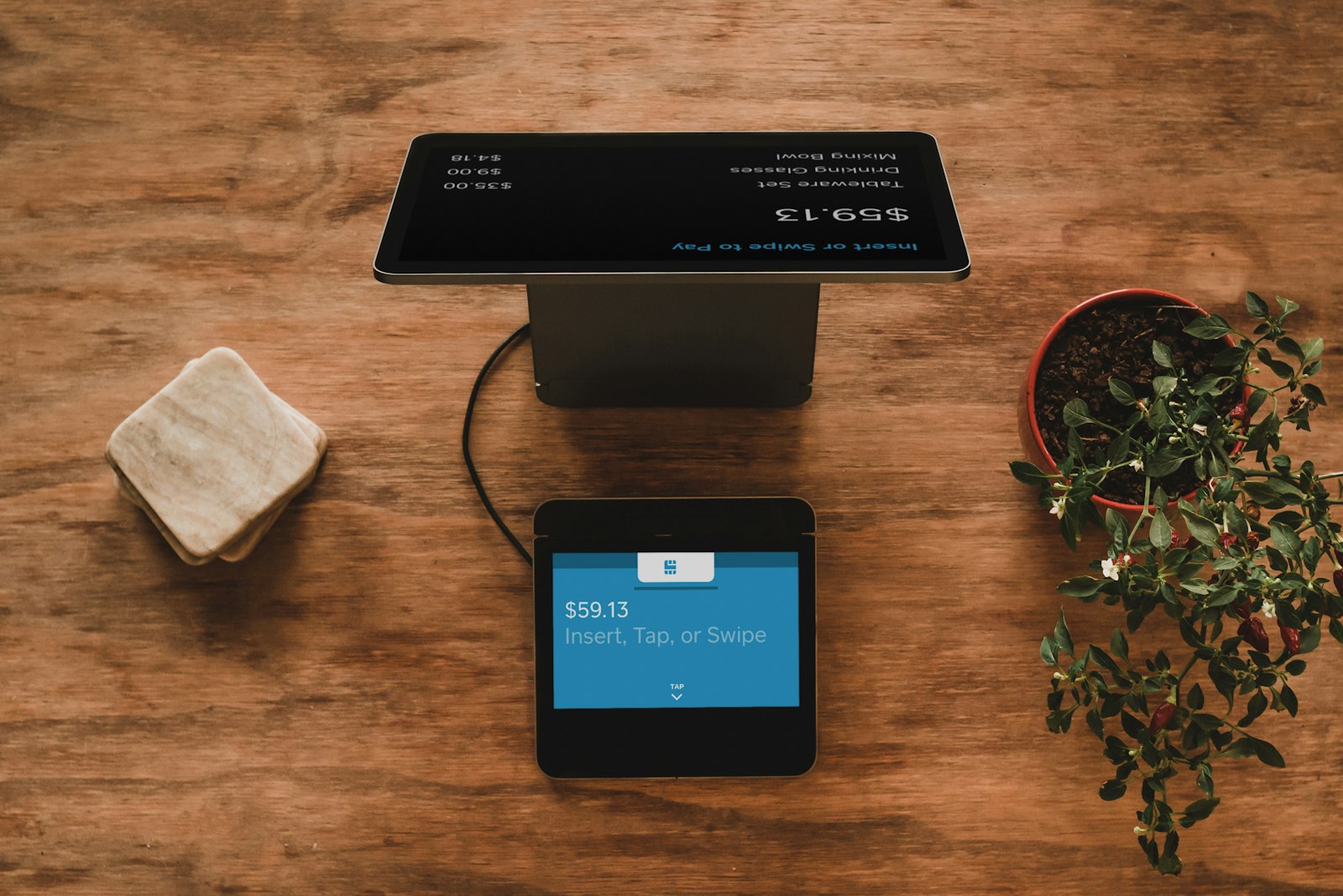

Cross-border card transactions decline at 2-6x the rate of domestic transactions, driven by fraud filters at issuing banks that score international transactions as higher risk by default. The lost revenue is among the largest unmeasured costs in cross-border e-commerce.

— LexisNexis Risk Solutions, True Cost of Fraud Study, 2024

How peer-to-peer settlement avoids the problem

A Spondula payment does not pass through a card network. There is no issuing bank running a fraud model on the transaction. There is no BIN-level block list. There is no cross-border surcharge or currency-mismatch trigger that elevates the rejection score. The customer initiates the payment from their own wallet — they have the balance, they confirm the amount, the payment settles. The pathways that cause cross-border card transactions to fail at 10-30% rates simply do not exist on a peer-to-peer rail.

Failures still occur — a customer may not have sufficient balance in the right token, a customer may abandon the wallet confirmation. But these are user-state failures, not infrastructure-level rejections. They are recoverable by the user in the moment, not blocked by an issuing bank's risk model the user cannot see or appeal.

Recovering the conversion you were losing

For a merchant whose international decline rate is 23%, replacing that segment of card volume with peer-to-peer settlement does not just save 0.2% versus 4-5% on the transactions that succeed. It captures the revenue from the 23% that previously did not succeed at all. On a meaningful international customer base, this is materially larger than the fee saving — and it is recovered automatically as customers convert who previously could not.

The finance team's revenue line goes up. The customer service queue gets shorter. The "international growth is harder than domestic growth" assumption stops being a function of payment infrastructure and starts reflecting actual customer demand.

The largest cost of card processing for an internationally-facing business is not the headline rate. It is the revenue that never converted because the rail rejected it. Peer-to-peer settlement removes the rejection layer.

Spondula's gateway is open for launch partners. If your international conversion rate is materially below your domestic rate — and you have always assumed that gap is "just how it is" — the waitlist is where that assumption becomes testable.

Frequently asked questions

What is the typical card decline rate for international transactions?

Cross-border card transactions decline at 10-30% on average — 2-6x the typical domestic rate of around 5%. The variation depends on issuing bank, country pair, transaction value, and merchant category. Even a "good" cross-border decline rate sits well above any normal domestic rate.

How do I know how many of my checkout drop-offs are actually declines?

Most card processors expose decline rates in their merchant dashboards but do not separate "fraudulent decline" (correctly blocked) from "false decline" (incorrectly blocked). For a clear view, look at decline rate by issuing-bank country versus merchant country — if the international rate is materially higher, the gap is largely false declines.

Why doesn't Spondula have the same decline-rate problem?

A Spondula payment is initiated and authorised by the customer's own wallet — there is no card network, no issuing bank running a fraud model, no BIN-level block list, no cross-border risk score. The infrastructure-level rejection layer that drives international card declines simply does not exist on the peer-to-peer rail.

What about wallet-level failures — can a Spondula payment fail?

Yes — but for different reasons. A customer may not have sufficient balance in the appropriate token, or may abandon the wallet confirmation step. These are user-state issues that the customer can resolve in the moment by topping up or completing the confirmation. They are not infrastructure-level blocks imposed by a third party.


Spondula is a global payments network. It is not a bank, exchange, investment platform, or broker. Availability, pricing, and Operator coverage vary by country. Bitcoin rewards depend on real network activity and are not guaranteed. See our terms and conditions for full details.

More in Guides