
Guides

What does Spondula mean? An old word for money, given a new job

Spondula Team·5 min read·28 Apr 2026
An old word for money, given a new job

Most modern financial-technology brand names are coined. Stripe, Klarna, Revolut, Plaid, Brex, Mercury, Chime, Monzo, Square — sharp, memorable, lightly meaningful or not meaningful at all. The category convention is to invent a short word that sounds clean and let the brand build associations from scratch.

Spondula is different. The word echoes a real piece of English vocabulary that has been in use for over 170 years and has meant the same thing the entire time: money.

"Spondulix", "spondulicks", "spondoolicks" — variant spellings of the same slang term — have appeared in British and American writing since at least the 1850s. Mark Twain used the word in The Adventures of Huckleberry Finn in 1884. Nineteenth-century newspapers used it in headlines. P. G. Wodehouse used it. The word lived on in mid-twentieth-century crime fiction, in working-class British speech, and in the kind of informal financial vocabulary that gets passed down without anyone quite remembering where it came from.

It is, in other words, one of the older still-living slang words for money in the English language. And it is the root the Spondula name reaches back to.

Where the word "spondulix" actually comes from

The honest answer is that nobody is certain. The Oxford English Dictionary lists the etymology as "of obscure origin." Several theories have been proposed across more than a century of speculation by lexicographers, none of them definitively proven.

The most evocative theory traces the word back to the Greek spondylos — a word that means "vertebra" but was also used in classical Greek to refer to certain types of seashell. The Spondylus genus of bivalve molluscs (the spiny oyster) had value in several ancient and pre-modern cultures: Andean civilisations used Spondylus shells as a form of currency for thousands of years before European contact, and ritual Spondylus objects were traded across Mesoamerica. Under this theory, the slang word "spondulix" carries the trace of a time when shells of this exact family genuinely were money — preserved across centuries and continents and into the everyday English vocabulary of "have you got the spondulix?"

Other theories are more prosaic. Some lexicographers suggest the word originated in nineteenth-century American showmen's argot — the language of travelling performers, gamblers, and hustlers who developed elaborate vocabularies for money and the people who carried it. Some trace it to a possible phonetic blend of Greek and English roots. Some accept that the word simply emerged from somewhere and propagated through the slang ecosystem without any clean origin story.

What is documented is the use. By the 1850s, "spondulix" appears in American writing. By the 1860s, it crosses the Atlantic into British usage. Twain's 1884 use is the most-cited literary appearance — Huck Finn drops the word in dialogue as the unmarked, ordinary slang term it had become. From the late 19th century through to today, the word has remained in continuous if informal use, never fashionable enough to feel new, never obscure enough to disappear.

"Spondulix" — variant spellings include "spondulicks" and "spondoolicks" — has been documented as English slang for money since at least the 1850s. The Oxford English Dictionary records the etymology as "of obscure origin." One theory traces the word to the Greek spondylos, meaning vertebra and also used to refer to certain seashells, including the Spondylus genus historically used as currency in Andean and Mesoamerican cultures.

— Oxford English Dictionary; historical literary attestations including Mark Twain, The Adventures of Huckleberry Finn, 1884

Cowrie shells, vertebrae, and the long lineage of money words

Even setting aside the specific etymology, the word "spondulix" sits in a long tradition of money-vocabulary that has roots in the physical objects people once used as currency. "Salary" comes from salarium, the Roman allowance for buying salt. "Dosh" may derive from earlier slang for cash or coinage. "Bread", "dough", "bones", "scratch", "smackers", "moolah" — every generation of English slang adds new metaphors and inherits old ones.

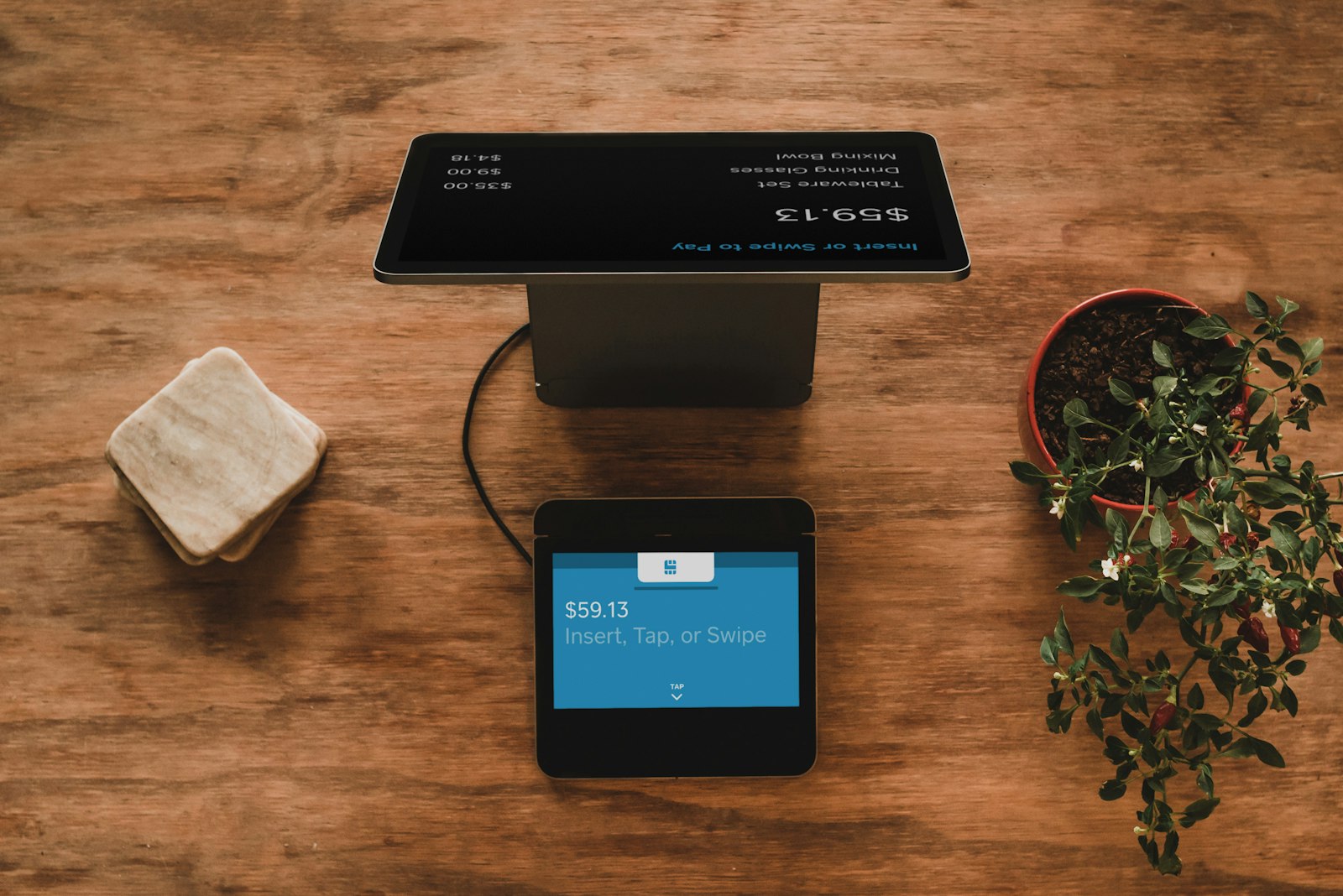
If the Greek-shell etymology of "spondulix" is correct — which it might or might not be — the word carries a thread back to a time when money was, literally, shells. The Spondylus shells used in pre-Columbian Andean cultures are among the earliest documented forms of currency in the Americas, traded across thousands of miles for ritual and economic purposes long before metal coinage arrived. The continuity from shells-as-money to "spondulix" as a word for money to "Spondula" as the name of a payment network is poetic if true and pleasingly thematic regardless.

The point is not whether the etymology is provable. The point is that money has had words and metaphors and informal vocabulary for as long as humans have had money — and the name "Spondula" connects deliberately to that long tradition rather than starting from a meaningless coined syllable.

Why a payment network would choose an old slang word

Most fintech naming conventions optimise for short, neutral, memorable, and trademark-clean. The names are designed to be vessels — to mean whatever the brand puts into them. The trade-off is that the names themselves do not carry weight. A name that arrives empty has to earn every ounce of meaning the brand later attaches to it.

"Spondula" arrives with weight. The word, even for users who have never heard "spondulix" before, sounds like it ought to mean something — it has the cadence of a real word, not a synthesised one. For users who have encountered "spondulix" in 19th-century literature, in older British speech, or in the corners of slang dictionaries, the connection is immediate. The brand is not coining a new word for money; it is leaning on an old one.

The choice fits the structural argument the rest of the brand makes. Spondula is not pretending to invent the concept of money or money-movement. It is rebuilding the infrastructure underneath money for a global, peer-to-peer, mobile-first context. The name says: we know money has been called many things across many centuries; we are part of that lineage; we are not pretending to be the first.

What it means for the brand

The name is also a quiet rebuttal to one of the recurring problems with fintech branding: the temptation to sound like a startup that disrupts everything, including the vocabulary of money itself. The Wall Street Journal and Financial Times occasionally publish bemused articles about new fintech naming — Yotta, Brex, Bilt, Sunbit, Yapily, Klarna — names that signal startup-ness without saying anything about what the company actually does.

"Spondula" goes the other way. It says, in one word, "money" — to anyone who knows the slang, and increasingly, by association, to anyone who learns the brand. It is a name with roots, given a new job: the global payment network that the slang word for money now refers to.

The continuity from Spondylus shells used as currency to "spondulix" used as English slang to Spondula used as a payment network is the brand's quiet argument for itself. Money has always had words. The word the network borrowed is older than most national currencies still in circulation.

Spondula is pre-launch. The waitlist is where the network — and the name's new job — begins.

Frequently asked questions

What does the word "Spondula" mean?

The name echoes "spondulix" (also spelled "spondulicks" or "spondoolicks") — British and American slang for money in continuous use since at least the 1850s. The slang term has been used by writers including Mark Twain (in The Adventures of Huckleberry Finn, 1884), in 19th-century newspapers, and in informal English speech across more than a century and a half.

Where does "spondulix" come from etymologically?

The Oxford English Dictionary lists the etymology as "of obscure origin." The most evocative theory traces the word to the Greek spondylos, meaning vertebra and also used in classical Greek to refer to certain seashells — including the Spondylus genus historically used as currency in pre-Columbian Andean and Mesoamerican cultures. Other theories suggest origins in 19th-century American showmen's argot. No single etymology is definitively proven.

Did Mark Twain really use the word?

Yes. "Spondulix" appears in dialogue in The Adventures of Huckleberry Finn (1884), used as the ordinary, unmarked slang term it had become by the late 19th century. Twain's use is one of the most-cited literary attestations of the word, though it was already widely in use across both American and British informal English by the time Huck Finn was published.

Is "Spondula" the same word as "spondulix"?

"Spondula" is the brand name; "spondulix" is the slang term the name echoes. They are not identical spellings — "spondulix" is the dictionary form of the slang word — but the brand name deliberately connects to the older word. The relationship is one of phonetic and thematic echo rather than direct reuse.

Why would a modern payment network choose an old slang word as its name?

Most modern fintech names are coined syllables that mean nothing on their own — they accumulate meaning through brand-building. "Spondula" begins with meaning already present for users who recognise the slang root, and a name that sounds like a real word for users who do not. The choice connects the network deliberately to the long tradition of money vocabulary across centuries, rather than positioning the brand as inventing the category from scratch.


Spondula is a global payments network. It is not a bank, exchange, investment platform, or broker. Availability, pricing, and Operator coverage vary by country. Bitcoin rewards depend on real network activity and are not guaranteed. See our terms and conditions for full details.

More in Guides