Introduction
Sending payments from Europe to the Philippines is one of the most active international payment routes globally.
Whether you’re:
supporting family
paying remote workers
managing cross-border business
you need a system that is fast, affordable, and reliable.
But many users still experience:
delays
high fees
complicated processes
So what’s the best way to send payments from Europe to the Philippines in 2026?
Let’s break it down.
Why Europe → Philippines Payments Can Be Difficult
International payments aren’t as simple as they appear.
Behind every transfer, there are:
multiple financial institutions
currency conversions (EUR/GBP → PHP)
settlement systems
This creates:
slower processing times
layered costs
inconsistent delivery speeds
Common Payment Methods
Bank Transfers
Secure
Slow (2–5 days)
Often expensive
Online Payment Platforms
Services like PayPal and Wise are commonly used.
They offer:
faster transfers than banks
easier setup
But still involve:
FX markups
processing delays
occasional restrictions
Cash Pickup & Remittance Services
Widely used in the Philippines
Convenient for recipients
Higher overall cost
The Hidden Cost: Currency Conversion
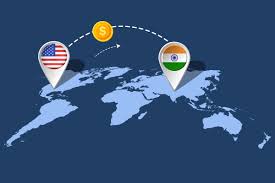
A key factor in Europe → Philippines payments is exchange rate margin.
Even when fees are advertised as low, providers often:
adjust exchange rates
include hidden margins
This reduces the amount received.
Speed vs Cost Trade-Off
Traditional systems usually force a choice:
fast transfers with higher fees
cheaper transfers with longer delays
This is due to:
intermediary layers
settlement processes
What Users Actually Want
People sending payments to the Philippines want:
fast transfers
low and transparent costs
simple setup
reliable delivery
And increasingly:
a smoother experience without complex banking details.
How Payments Are Becoming More Efficient
Newer payment systems focus on:
reducing intermediaries
simplifying user inputs
improving processing speeds
Instead of requiring full bank details, some systems allow:
payments using simple identifiers (like @handles)
What to Look for in a Europe → Philippines Payment Solution
When choosing a system, prioritise:
1. Speed
Near-instant or fast transfers.
2. Transparency
Clear fees and exchange rates.
3. Simplicity
Minimal input required.
4. Accessibility
Easy for recipients to access funds.
5. Global Compatibility
Works across multiple regions.
Why This Corridor Matters
Europe → Philippines payments are important because:
large overseas workforce
high remittance volume
growing digital economy
Improving efficiency in this corridor has a real impact.
The Direction of Global Payments
Payments are evolving toward:
faster transfers
simpler processes
identity-based systems
wallet-based ecosystems
This reduces friction for both sides of the transaction.
Final Thought
Sending payments from Europe to the Philippines doesn’t need to be complicated.
But traditional systems still create unnecessary friction.
The shift now is toward:
faster
simpler
more transparent payment systems