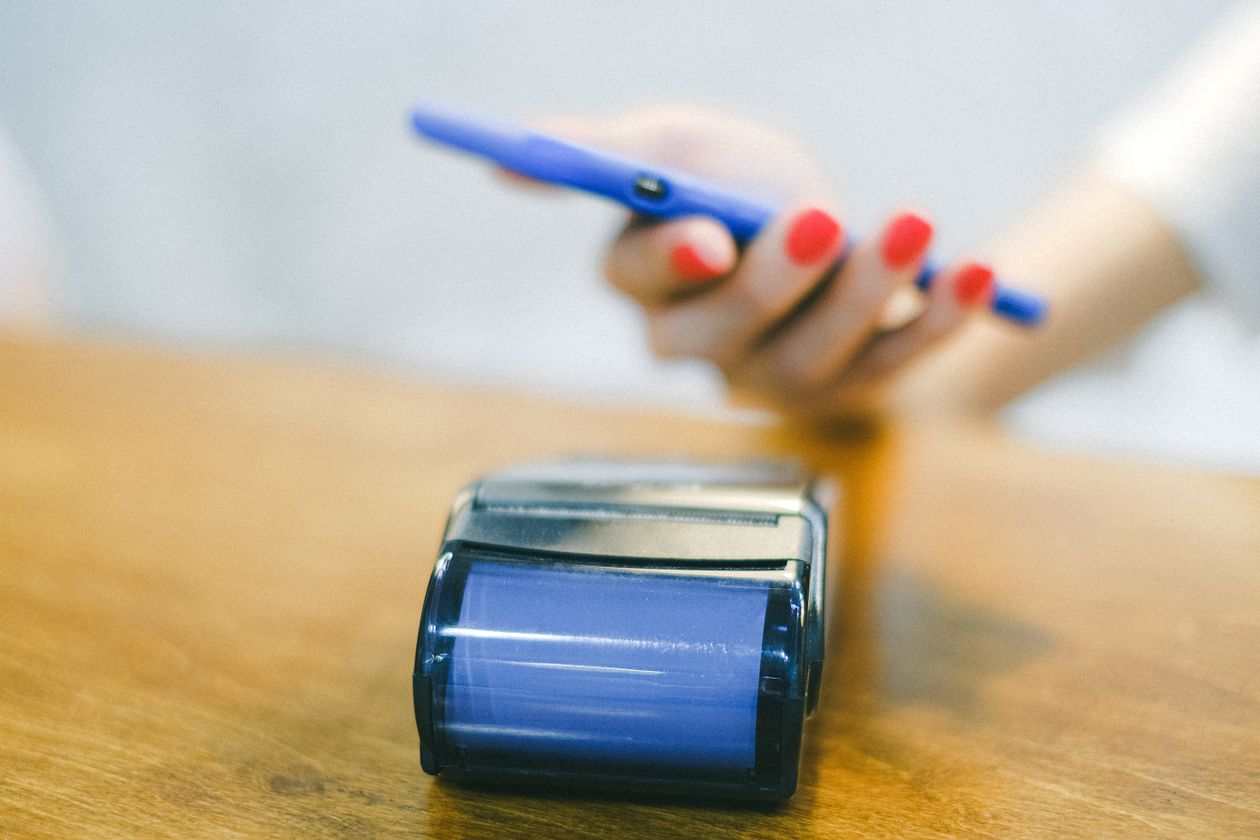
Sent on Friday, cleared on Tuesday
Funmi works nights in a care home in Manchester. Every month, on payday, she sends part of her wages to her mother in Lagos — school fees for her younger siblings, the rent, sometimes an emergency she hears about on a Sunday call. The transfer goes out on a Friday afternoon. Her mother calls on Tuesday to say the money has cleared. Four working days. By the time it arrives, the bill it was meant to cover has already been borrowed against.
That four-day wait is not a glitch. It is the expected outcome of a payment chain built before the internet — one that charges Funmi for the privilege of being slow, and hides part of what it charges inside the exchange rate.
The global average cost of sending USD 200 stands at 6.36% of the amount sent — more than double the 3% target the United Nations has set for all remittance corridors by 2030. Through traditional banks specifically, that average reaches 9.50% on the same send.
— World Bank, Remittance Prices Worldwide, Q3 2025 and Q1 2025

Why a bank transfer to Nigeria still takes days
A standard UK-to-Nigeria bank transfer does not travel in a straight line. It passes through a chain of correspondent institutions — the sender's UK bank, a clearing bank with a Nigerian relationship, a Nigerian correspondent, and sometimes a fourth intermediary depending on the destination account. Each link adds processing time: a compliance screening pass, a booking window that closes in the afternoon, a settlement cycle that does not restart until the next business morning. A standard SWIFT wire takes one to five working days to settle, and a Friday send routinely lands the following Tuesday after weekend cut-offs pause the chain for two days.
The speed problem runs alongside a less visible cost problem. Most traditional banks do not quote their full fee upfront. The headline transfer charge is real, but the exchange rate offered to the sender typically carries a separate mark-up extracted through the rate itself — not shown as a line item. Digital providers have made the UK-to-Nigeria corridor far more competitive in recent years, but the bank route still averages 9.50% globally on a USD 200 send. The chart below shows where each channel sits against the UN's 3% SDG target.
Source: World Bank, Remittance Prices Worldwide, Q1 2025. Banks = average across bank-channel providers. Digital providers = average across online/app-based providers. SDG target = UN Sustainable Development Goal 10.c by 2030.
How Spondula moves the same payment
Spondula is a global money network — not a bank, not a remittance app, but a payment network built on its own rails so that a send from Manchester to Lagos does not have to pass through a correspondent chain or wait for a cut-off window to open.
On the network, Funmi holds GBP-S — a sterling-referenced token that moves directly between wallets. When she sends to her mother, the GBP-S settles on the network in seconds. The rate is visible before the send is confirmed, not buried in an exchange rate revealed at the end of a form. There is no correspondent-bank chain in the middle and no Friday cut-off waiting to push the payment into next week.
Every Spondula user has an Shandle — a short, memorable name like Schiamaka or Stunde — that replaces the sort codes, IBANs, and account numbers the traditional system asks people to share. The sender does not need a routing code or a bank identifier. They need a name.
At the destination, if the recipient needs local cash rather than a network balance, a Spondula Partner Location in their area handles the final step. These are on-the-ground access points Spondula partners with in each territory — where a recipient can collect value in local currency. The network covers the global leg; the Spondula Partner Location covers the last mile.
What a send looks like in practice
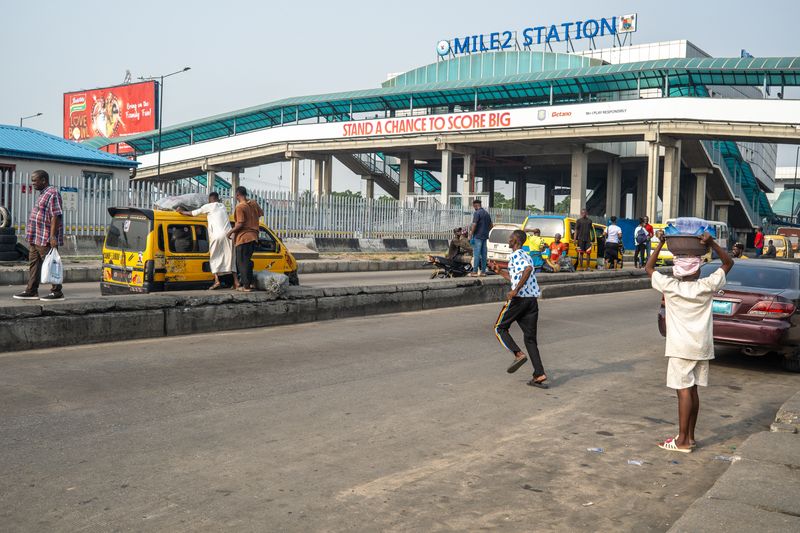
The steps from the sender's side are short. Spondula is designed so that the experience does not ask anyone to decode a financial form, remember a routing code, or trust a rate they were never shown upfront.
- Open the wallet. The balance shows in GBP-S — the sterling-referenced token held on the network.
- Enter the recipient's Shandle. A name like Schiamaka is all that is needed. No sort code, no IBAN, no account number.
- Confirm the amount. The amount shows clearly in GBP-S before the send is approved. No rate surprise at the end of the flow.
- Send. The payment settles on the network in seconds. If the recipient needs local cash, their nearest Spondula Partner Location converts the balance into local currency.
The whole flow takes less time than it currently takes Funmi to check whether the money has cleared.
The real cost of the traditional route is not just the headline fee — it is the hidden rate mark-up, the four-day wait, and the borrowed school payment on the other end. Those three things together are what a network like Spondula is designed to remove.
Frequently asked questions
How long does it take to send money from the UK to Nigeria through a bank?
A standard SWIFT wire from the UK to Nigeria takes between one and five working days to settle. Sends initiated on a Friday routinely arrive the following Tuesday, because weekend cut-offs pause the correspondent chain for two days. Digital transfer services are faster, often settling same-day or next-day. The Spondula network is designed for second-level settlement; corridor availability will be confirmed at launch.
How much does it cost to send money to Nigeria from the UK?
It depends on the provider. Through a traditional bank, the global average for a USD 200 send is 9.50% of the amount (World Bank Remittance Prices Worldwide, Q1 2025). Digital providers have driven the UK-to-Nigeria corridor average down significantly through competition. The UN SDG 10.c target is to bring all remittance costs below 3% by 2030 — a bar the global average still sits more than double above.
What is a Spondula handle and how does it replace a sort code or IBAN?
A Spondula handle — written as an Shandle — is a short, memorable name that identifies you on the network. When someone wants to pay you, they type your Shandle and the payment resolves directly to your wallet. It replaces the sort codes, IBANs, and long account strings the traditional banking system asks people to share. Handles are claimed first-come on a single account, with a 90-day cooldown between changes.
Do I need a UK bank account to use Spondula?
No. Spondula is designed to work with or without a traditional bank account. Users who do not hold a UK bank account can top up a Spondula wallet through a Spondula Partner Location. The network is built so that cross-border access is the default case, not an exception that requires a bank relationship first.
When will Spondula be available for UK-to-Nigeria sends?
Spondula is pre-launch as of April 2026 and the waitlist is open. Early users shape which corridors open first, and the UK-to-Nigeria route is among the most-requested paths the network is building toward. Joining the waitlist is the right step now — and claiming an Shandle early means the name you want is yours before anyone else takes it.
What does my recipient in Nigeria need to receive a Spondula payment?
To receive a direct network payment, the recipient needs a Spondula wallet and an Shandle. If they would prefer cash, they can collect through a Spondula Partner Location in their area — a local access point that converts network value into local currency. Neither path requires the recipient to hold a traditional bank account.
Spondula is pre-launch, and the waitlist is where early users come in ahead of the app going live. If you send money home to Nigeria every month — and you have felt the four-day wait, paid the fee, and wondered whether the rate you got was the rate you deserved — that is the invitation. The network is being built for exactly that journey.
Spondula is a global payments network. It is not a bank, exchange, investment platform, or broker. Availability, pricing, and Operator coverage vary by country. Bitcoin rewards depend on real network activity and are not guaranteed. See our terms and conditions for full details.