

ANYONE. ANYWHERE. ANYTIME. — WHAT IT REALLY MEANS IN GLOBAL PAYMENTS

Why global payments still do not feel global
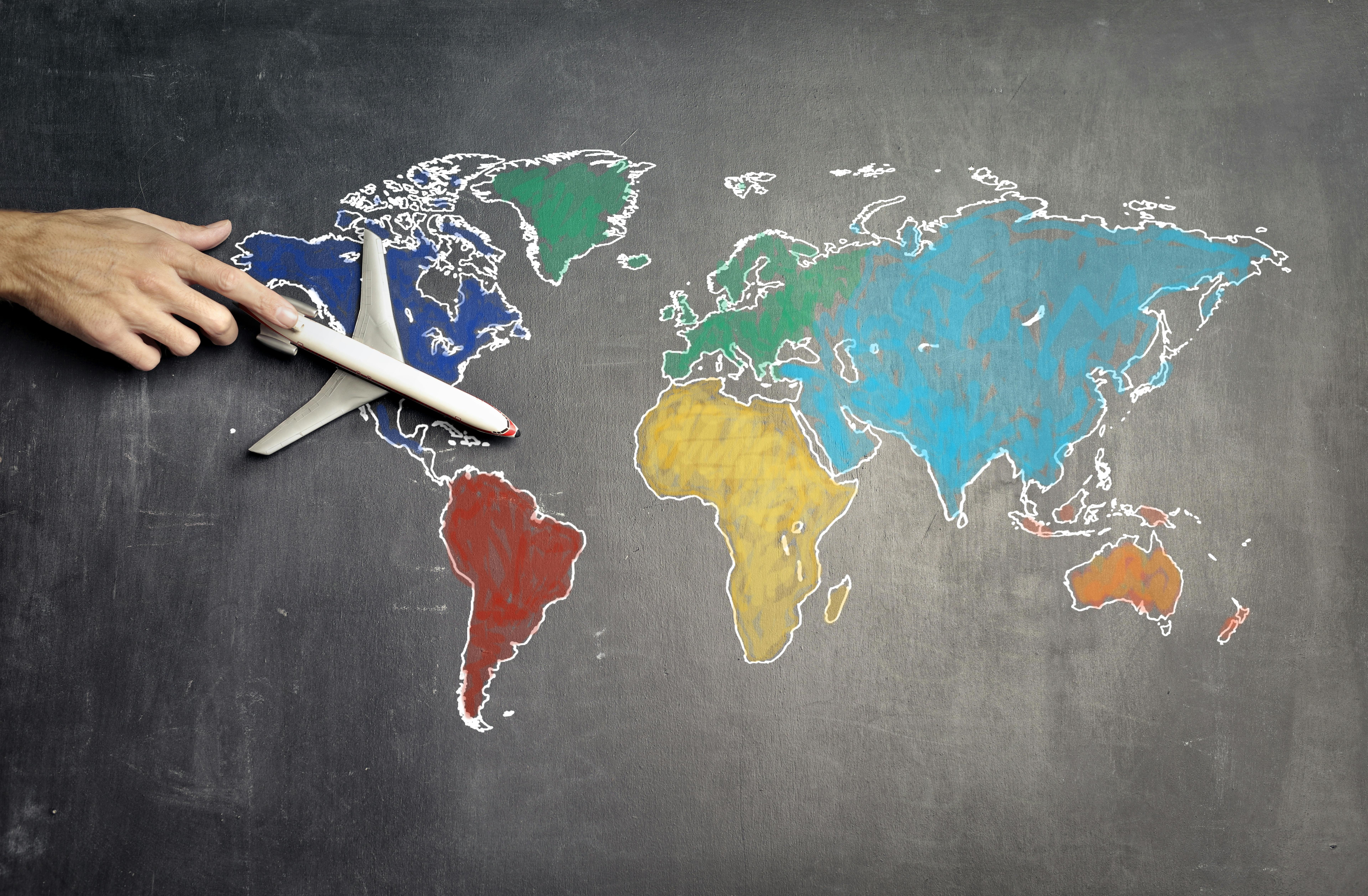
A creator in Lagos can post content viewed instantly in Los Angeles, London and Dubai. A freelancer in Bengaluru can work for a client in Toronto overnight. A small business in Mexico City can sell products internationally through TikTok and Instagram before ever opening a storefront.
The internet became global long ago.
Payments still often feel fragmented.
People can video call internationally in seconds, yet cross-border payments may still involve:
banking delays
payment holds
foreign exchange friction
regional restrictions
processor dependency
country-specific payout systems
long account details
withdrawal waiting periods
That creates a strange contradiction.
The modern digital economy increasingly behaves without borders, while payment infrastructure often still behaves institutionally and locally.
Spondula’s phrase “Anyone. Anywhere. Anytime.” is built around a broader idea: global payment participation should feel as natural as global communication.
That does not mean removing compliance, identity checks or fraud controls. It means reducing unnecessary friction that prevents legitimate users from participating smoothly in global commerce.
Spondula is being built around a wallet-first payment network where users can send, receive, hold, accept and participate through wallets and S-Handles rather than relying entirely on fragmented banking infrastructure and isolated payout systems.
The aim is simple. Getting paid globally should feel closer to sharing a username than navigating disconnected financial systems.
Why “Anyone” matters more than people think
For decades, participation in global payments often depended heavily on:
banking access
country support
merchant approval
processor relationships
regional infrastructure
Yet millions of people now participate in the digital economy through smartphones first.
That includes:
creators
freelancers
remote workers
small online sellers
cross-border families
mobile-first merchants
A creator in Manila may build a global audience before opening a formal business account. A freelancer in Karachi may work internationally through mobile devices long before accessing sophisticated banking infrastructure. A merchant in Nairobi may sell online internationally through social platforms before operating through traditional retail systems.
Modern commerce increasingly starts socially and digitally before it becomes institutionally structured.
“Anyone” increasingly means payment participation should not depend entirely on traditional institutional access layers.

Why “Anywhere” matters in the internet economy
Modern businesses increasingly operate across several countries simultaneously.
A software agency in London may invoice clients in New York while paying remote contractors in India and Pakistan. A creator in Dubai may receive audience support from Toronto, Berlin and Los Angeles during the same livestream. An ecommerce seller in São Paulo may operate globally through mobile-first commerce channels.
Yet many payment systems still remain:
regionally limited
processor-dependent
bank-linked
platform-specific
country restricted
Platforms such as PayPal, Stripe, Wise, Payoneer, Mercado Pago, GCash and M-Pesa each solve important parts of the problem. The challenge appears when users need payment systems that move more naturally across countries, currencies and business models.
That fragmentation becomes increasingly visible as global digital participation accelerates.
The internet no longer behaves domestically.
Modern creators, freelancers and businesses increasingly operate internationally by default.
“Global communication became instant years ago. Global payment participation is still catching up.”

Join the conversation.
0 comments · Be respectful, be specific, be useful.
Be the first to comment.